
Historical Data Suggests Post-Midterm Market Rally Despite Current Volatility
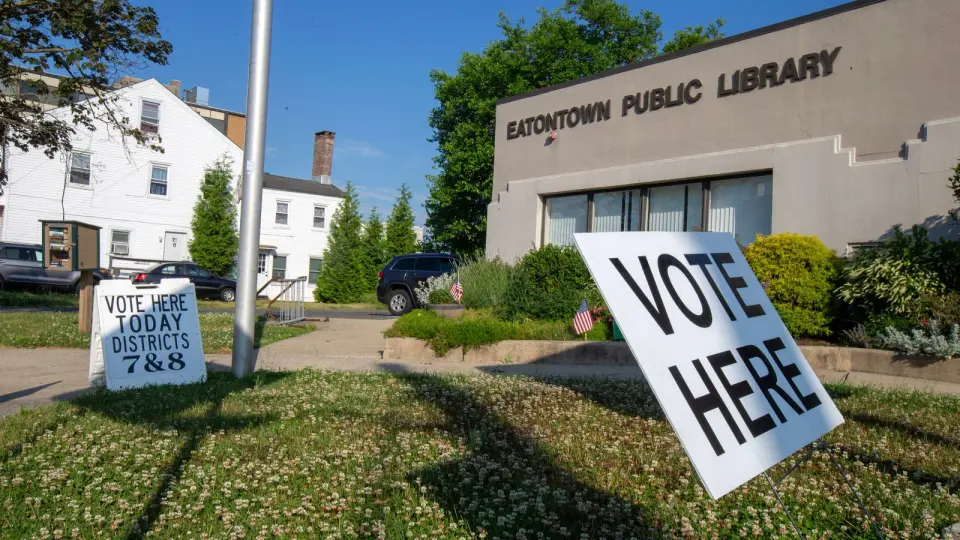
Historical analysis indicates that stock markets typically rise in the 12 months following U.S. midterm elections, with the S&P 500 posting positive returns in every such period since 1950. While current market conditions include tech sector sell-offs and inflation concerns, experts attribute the post-election rally to the resolution of political uncertainty. However, divergent views exist on whether a unified or divided government benefits investors, with some data favoring unified control while others cite divided government as preferable for regulatory stability.
Key points
- Morningstar data shows stocks average a 2.4% gain in November during election years, compared to 0.9% in non-election years, driven by the end of political uncertainty.
- The Motley Fool reports that the S&P 500 has posted positive 12-month returns in 100% of midterm years since 1950, averaging a 16.6% gain, though short-term October-to-December returns are less consistent.
- BlackRock analysis suggests midterm years generally yield weaker annual returns (7.5%) compared to non-midterm years (12.4%), but the S&P 500 is up 12% in 2026 as of late October, potentially defying this trend.
- Morningstar finds unified government yields higher average monthly stock gains (1.2%) than divided government (0.7%), contradicting the conventional wisdom that divided government is better for markets due to less regulatory disruption.
- Analysts warn that election-day chaos or lingering uncertainty could cause short-term volatility, but advise investors to maintain long-term strategies rather than reacting to immediate headlines.
Background
Recent coverage has highlighted a split between resilient bank stocks and volatile tech sectors, driven by AI investment sustainability and interest rate concerns. Prediction markets have assigned high odds to a Democratic congressional win, which historically correlates with lower average annual stock returns. Additionally, earlier analysis suggested 2027 would be the strongest market year of the current presidential term, aligning with the historical pattern of strong performance in the year following midterms.
How outlets are covering it
Morningstar and Fidelity emphasize the 'uncertainty resolution' theory, noting that markets rise after elections because political outcomes are known, allowing businesses to plan. In contrast, BlackRock highlights that midterm years generally underperform non-midterm years on an annual basis, suggesting the rally may be a short-term rebound rather than a sustained trend. The Motley Fool focuses on the 100% success rate of 12-month post-midterm returns since 1950, attributing this to the market's preference for divided government, which limits new policy implementation. This contrasts with Morningstar’s finding that unified government has historically yielded higher monthly gains, though both agree that markets perform well under both scenarios. Additionally, while USA Today notes the S&P 500’s strong 2026 performance, The Motley Fool cautions that AI sector volatility and potential data center restrictions could disrupt historical patterns, particularly if the AI boom turns into a bust.
Why it matters
Understanding historical post-election market behavior helps investors navigate short-term volatility and make informed decisions about long-term portfolio strategies. The resolution of political uncertainty typically reduces risk premiums, but the impact of unified versus divided government on policy and regulation remains a critical factor for sector-specific performance, particularly in technology and infrastructure.
What to watch
Investors should monitor the outcome of the November 3, 2026, midterms for signs of unified or divided government, as this will influence policy direction and market sentiment. Short-term volatility may occur if election results are contested or delayed, but historical data suggests a rebound within the following 12 months. Analysts recommend maintaining long-term investment strategies rather than reacting to immediate market fluctuations, while watching for potential regulatory changes in the AI and data center sectors that could impact tech stock performance.
- Here's what to expect from the stock market on Election Day USA Today
- Bond investors sit out ‘most consequential’ US midterm elections in years Financial Times
- Why the Markets Don’t Care About the Midterms The New York Times
- Stocks often rally after midterm elections, but AI spending, rate hikes add risk this time NewsNation
- Should You Buy Stocks Ahead of the Midterms? History Says There's a 100% Chance Of This Happening If You Do. Yahoo Finance
Want the full story? Read the original reporting
Read on USA Today