
Historical Data Suggests S&P 500 May Rally Into 2026 Year-End Despite Midterm Election Uncertainty
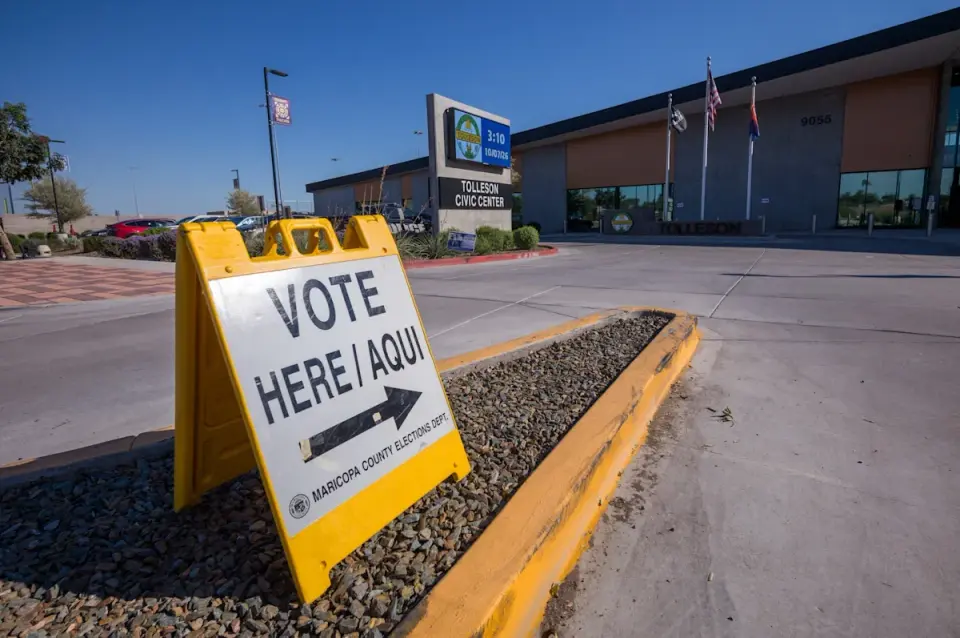
Deutsche Bank strategist Jim Reid argues that historical patterns suggest the S&P 500 is likely to rally into year-end following the 2026 midterm elections. The bank notes that the index has risen in 21 of the last 23 midterm cycles within a three-month window surrounding the vote. While 2026 markets have been flat since July, similar to past pre-rally periods, strong earnings growth is expected to support the historical trend.
Key points
- Deutsche Bank reports the S&P 500 has risen in 21 of the last 23 midterm election cycles from one month before to two months after the vote.
- The median return for the index during this three-month window is 7%, according to Deutsche Bank research.
- Jim Reid notes that 2026 market performance from mid-July to early October has been flat, mirroring conditions before historical midterm rallies.
- S&P 500 earnings are expected to rise roughly 30% year over year, which Reid says should support the seasonal rally.
- Historical exceptions to the rally include 1978 and 2018, both driven by rising interest rates and inflation concerns.
Background
Recent market data shows the S&P 500 closing at 7,811.54 on October 9, 2026, up 0.59%. The VIX volatility index fell 3.70% to 14.84, indicating low fear in the market. Brent crude oil futures are trading at $104.72, and Bitcoin is at $83,025.61. Earlier in September, analysts anticipated the addition of Bloom Energy and Cheniere Energy to the S&P 500, reflecting ongoing index rebalancing activities.
How outlets are covering it
Deutsche Bank emphasizes the strength of historical seasonality and the upcoming earnings season as tailwinds for a year-end rally. In contrast, Seeking Alpha focuses on a broader strategic framework for the 2026 midterm elections, advising investors on what to buy and avoid, without specifically citing the Deutsche Bank seasonal data. The two outlets differ in focus: Deutsche Bank highlights a specific historical pattern and earnings tailwinds, while Seeking Alpha provides a general election-year investment strategy.
Why it matters
Investors are looking for signals on whether the current flat market performance will transition into a rally. Historical data suggests a positive outcome, but exceptions like 1978 and 2018 show that rising interest rates and inflation can disrupt seasonal trends. The strong earnings growth expected in 2026 may help offset any rate-related concerns, making the midterm period a critical window for market direction.
What to watch
The 2026 midterm elections are less than a month away. Investors will watch for the S&P 500 to enter the 'sweet spot' for historical rallies. The upcoming earnings season, with expected 30% year-over-year growth, will be a key factor in determining whether the historical pattern holds. Any shifts in interest rates or inflation could also influence market direction.
- History says midterms could hand the S&P 500 a year-end rally: Chart of the Day Yahoo Finance
- Gridlock Is Good for Stocks. Certainty Is Better. WSJ
- AI Darlings, Defense Shares Most at Risk as US Midterms Near Bloomberg.com
- 2026 U.S. Midterm Elections: What To Buy, What To Avoid (SPX) Seeking Alpha
- What the Midterm Elections Will Mean for Markets Morningstar
Want the full story? Read the original reporting
Read on Yahoo Finance