
Investors Face Post-Election Market Turbulence Amid Shifting Sentiment
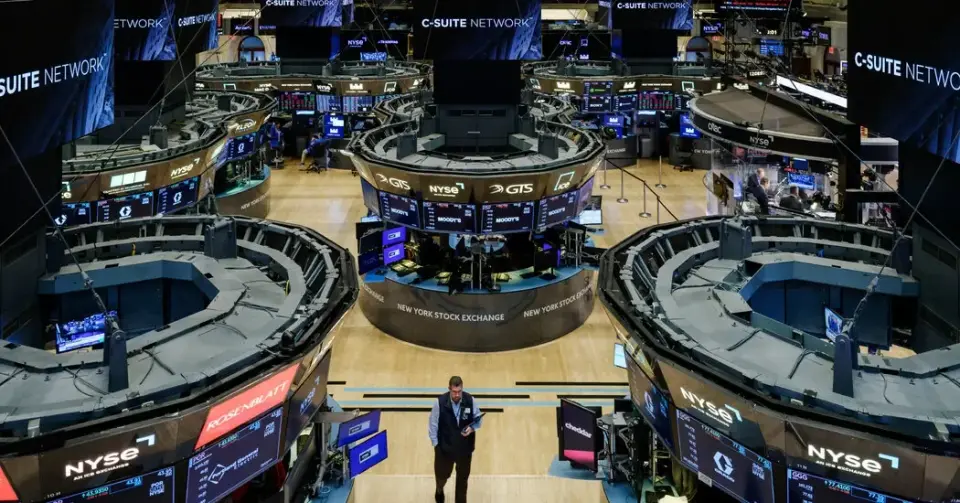
The New York Times notes that recent market swings, while familiar in pattern, feel distinct due to their connection to a major political shift. The publication argues that markets are driven by human and algorithmic expectations of future corporate performance, meaning sudden political changes trigger significant emotional and automated trading responses. This volatility is part of a broader period of market stress, including recent tech sector corrections and regulatory fears, though specific details on current price levels are limited in this source.
Key points
- The New York Times describes current market movements as two-day volatility that resembles historical patterns but feels different due to its link to a recent political earthquake.
- The article emphasizes that stock markets are fundamentally about sentiment, reflecting what humans and trading algorithms believe will happen to companies in the future.
- Big surprises that signal unpredictable change are described as triggering specific neural circuits, suggesting a strong psychological component to market reactions.
- The source highlights the interplay between human emotion and programmed trading robots in determining market direction during periods of uncertainty.
Background
Recent weeks have seen significant market fluctuations, including a $2.5 trillion sell-off in the Nasdaq driven by fears of tighter AI regulation following Democratic midterm victories, followed by a rebound. Earlier in October, the S&P 500 hit a record high of 7,820.85, driven by AI momentum, though analysts noted the rally was narrow. In late October, the VIX volatility index remained unusually muted despite tech sector declines, suggesting limited demand for hedges despite active manager deleveraging. The current volatility discussed by The New York Times follows these events, marking a period where political outcomes are directly influencing market sentiment and trading behavior.
Why it matters
Understanding that markets are driven by sentiment and expectations, rather than just current fundamentals, helps investors navigate periods of political uncertainty. The connection between political events and market volatility indicates that future policy changes may continue to trigger significant price swings, requiring investors to manage risk through diversification and calm decision-making rather than reacting to short-term emotional spikes.
What to watch
Investors should monitor how the market adjusts to the new political landscape, particularly regarding regulatory changes that may affect the tech and AI sectors. The coming weeks will likely see continued volatility as traders reassess expectations for corporate performance and policy impacts, with potential shifts in volatility indices and sector performance depending on further political developments.
Want the full story? Read the original reporting
Read on The New York Times