
Oil Prices Swing on Houthi Strikes and Hormuz Talks
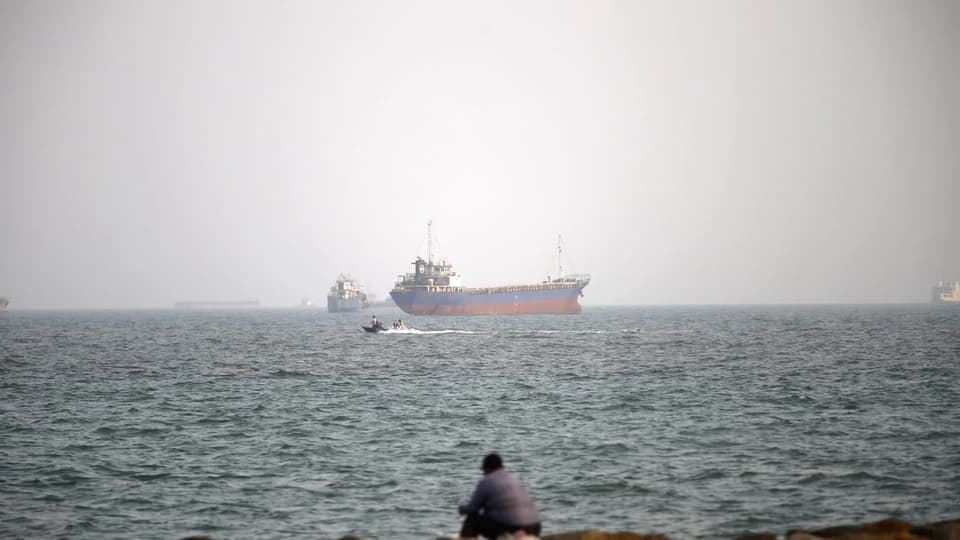
Crude prices fluctuated sharply as Houthi missile strikes on Saudi Arabia triggered a spike, while reports of U.S.-Iran negotiations to reopen the Strait of Hormuz caused a subsequent pullback. Brent crude closed at $106.60, down from a session high of $108.23, while WTI settled at $94.61. The volatility reflects ongoing tensions in the Persian Gulf and diplomatic efforts to restore oil flows.
Key points
- Brent crude gained 3.4% to close at $106.60, while WTI rose 2.7% to $94.61, after initially surging 5% on Houthi attacks.
- Iranian officials indicated a potential deal to allow navigation in the Strait of Hormuz in exchange for the U.S. ending its naval blockade.
- Houthi militants fired six ballistic missiles at Saudi cities Yanbu and Taif, with Saudi forces intercepting all six.
- JPMorgan estimated Middle East oil flows at 17 million barrels per day, over 70% of the 2025 average.
- U.S. and Iranian leaders gave defiant speeches at the U.N. General Assembly while negotiators met on the sidelines.
Background
Oil prices have been volatile since the U.S.-Israel-Iran conflict began in late February, with the Strait of Hormuz closure causing significant supply disruptions. Previous attempts at diplomacy, including talks in August, failed to stabilize prices, which remained elevated due to Houthi attacks on Saudi infrastructure and ongoing military clashes.
How outlets are covering it
CNBC emphasized the pullback from session highs due to Hormuz talks, while NBC News highlighted the sharp drop to a two-week low on hopes for a Saudi pipeline restart and Iran diplomacy. Yahoo Finance noted the price swings but did not provide detailed analysis. The outlets differ in their focus on the immediate price movements versus the broader diplomatic context.
Why it matters
The volatility in oil prices reflects the ongoing geopolitical tensions in the Middle East and the potential for further supply disruptions. The outcome of U.S.-Iran negotiations and the status of the Strait of Hormuz will significantly impact global energy markets and inflation.
What to watch
Investors will watch for developments in U.S.-Iran negotiations and the status of the Strait of Hormuz. Any progress in reopening the strait or restarting the Saudi pipeline could lead to further price declines, while renewed military clashes could cause another spike.
- Oil prices rise as investors seek progress on U.S.-Iran talks CNBC
- Oil prices rise as Iranian president warns Tehran won't bow to US, White House considers diesel export ban Yahoo Finance
- Oil Prices Rebound as Brent Tops $105 a Barrel on U.S.-Iran Escalation Fears WSJ
- Oil prices see-saw, as markets weigh Trump’s UN speech, potential Saudi pipeline fix NBC News
- Oil gains on little sign of progress in US-Iran talks Reuters
Want the full story? Read the original reporting
Read on CNBC