
Retail Investors Abandon 'Buy the Dip' Strategy in $338 Million Tech Selloff
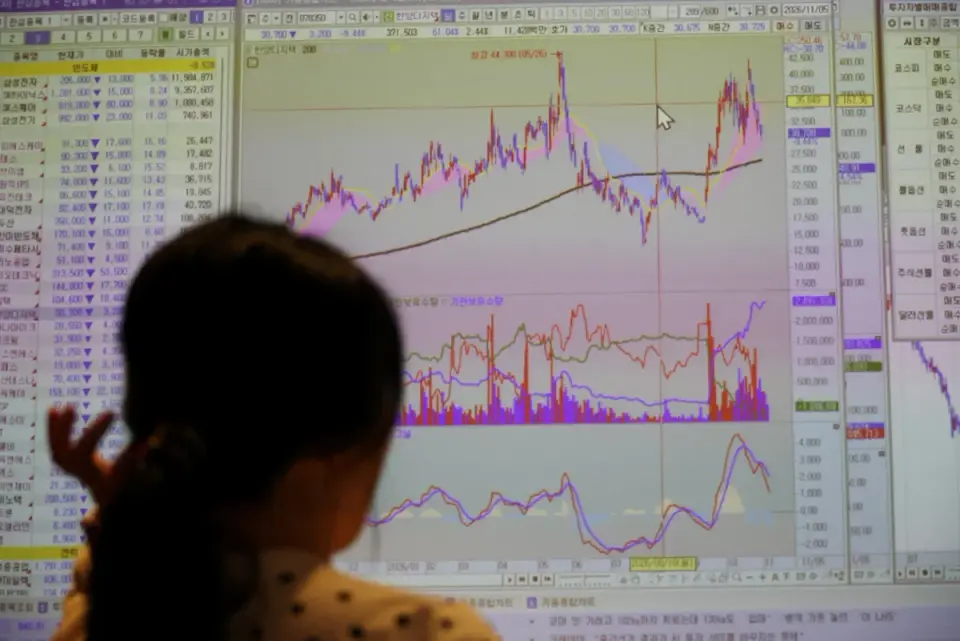
Retail investors sold a net $338 million in individual US stocks on Thursday, the largest single-day outflow since March 2020. This marked a sharp departure from their usual habit of buying during market dips, coinciding with a 5.2% drop in the Nasdaq Composite and a 1,800-point plunge in the Dow Jones Industrial Average. Analysts described the move as a 'total capitulation' and a 'buyers' strike,' with remaining buying concentrated in leveraged ETFs rather than individual stocks.
Key points
- Retail investors sold a net $338 million in individual US stocks on Thursday, the largest single-day outflow since March 2020, when they pulled $502 million.
- The Nasdaq Composite dropped 5.2%, entering a correction, while the Dow Jones Industrial Average fell 1,800 points, erasing post-election gains.
- Vanda Research described the selling as a 'total capitulation' and a 'buyers' strike,' noting that the typical 'buy the dip' behavior was absent from individual stocks.
- Remaining retail buying was concentrated in leveraged exchange-traded funds such as ProShares UltraPro QQQ (TQQQ) and Direxion Daily Semiconductor Bull 3X Shares (SOXL).
- Net selling was 33% higher earlier in the afternoon before late-session buyers stepped in, according to Vanda Research.
Background
This event follows a period of strong market performance, including a post-election rally on Wednesday, which was quickly erased by Thursday's tech-led selloff. The move contrasts with recent years when retail investors typically increased purchases during market downturns. The archive notes that this is the first major retail sell-off since 2020, highlighting a shift in investor behavior during periods of market stress.
How outlets are covering it
Both Yahoo Finance and CNBC report the same $338 million net selling figure from Vanda Research and characterize it as the largest since March 2020. Yahoo Finance emphasizes the 'total capitulation' language from Vanda's Viraj Patel and notes the broader 'buyers' strike' among institutional investors. CNBC highlights the contrast with the Dow's 1,800-point drop and the absence of 'buy the dip' activity in individual names, while noting that some buying persisted in leveraged ETFs. Both sources agree that the selling was driven by a tech and chip stock selloff, but CNBC provides more detail on the specific ETFs (TQQQ, SOXL) that continued to attract retail interest.
Why it matters
The shift in retail investor behavior from buying to selling during a market downturn signals a potential change in market dynamics and investor confidence. The concentration of remaining buying in leveraged ETFs suggests that some retail investors are still seeking high-risk, high-reward opportunities, but the overall retreat from individual stocks could indicate a broader loss of confidence in the market's direction. This move may have implications for market volatility and the performance of tech-heavy indices in the coming weeks.
What to watch
Market participants will watch for whether the 'buyers' strike' continues or if retail investors return to buying individual stocks in the coming days. The performance of leveraged ETFs like TQQQ and SOXL will also be monitored to gauge the level of risk appetite among retail investors. Additionally, the broader market's reaction to the tech selloff and any potential policy changes or economic data releases will influence whether the correction deepens or reverses.
- Retail traders dump $338 million in stocks in biggest selling day since 2020 Yahoo Finance
- Retail traders dump $257 million in stocks in 5th biggest selling day since 2020 Yahoo Finance
- Retail Traders Cautiously Buy Stocks After Worst Rout Since 2025 Bloomberg.com
- 🔎One Thing I’m Watching: Where Did the Dip Buyers Go? WSJ
- Retail traders dump the most stocks in a single day since Covid selloff CNBC
Want the full story? Read the original reporting
Read on Yahoo Finance