
Retail Investors Abandon Dip-Buying Strategy in Historic $265M Sell-Off
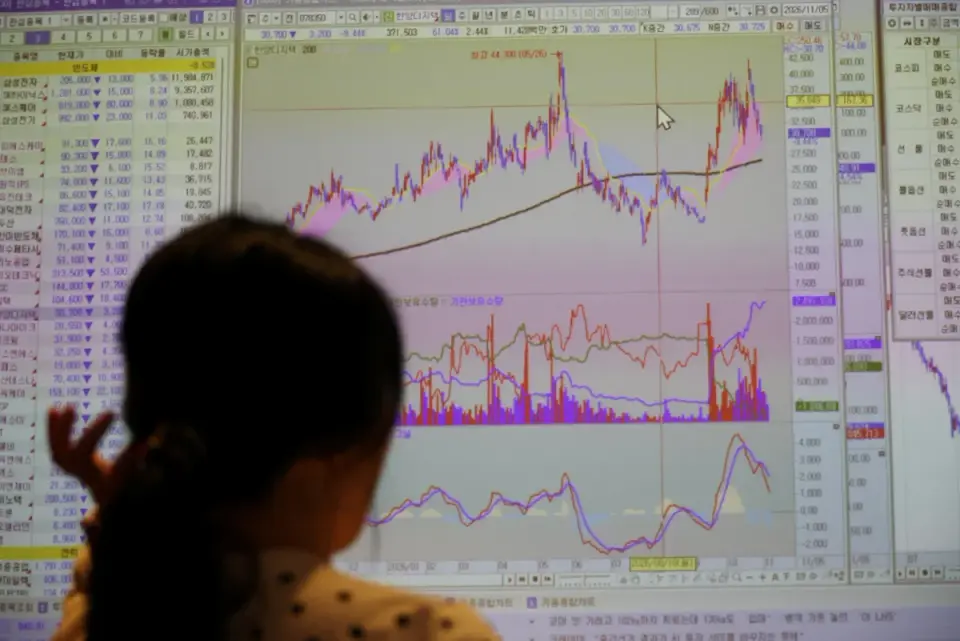
Retail investors sold a net $265 million in individual US stocks on November 4, 2026, marking the largest single-day outflow since March 2020. This departure from their typical 'buy the dip' behavior coincided with a sharp market decline, including a 5.2% drop in the Nasdaq Composite. While some buying remained in leveraged ETFs, the overall trend signaled a 'total capitulation' among everyday traders.
Key points
- Net retail selling of individual US stocks reached $265 million on November 4, 2026, according to Vanda Research.
- This volume was the highest single-day net selling since March 17, 2020, when retail investors pulled $502 million from stocks.
- The Nasdaq Composite fell 5.2% on Thursday, entering a correction, while the Dow Jones Industrial Average dropped approximately 1,800 points.
- Retail investors abandoned their usual practice of buying during market downturns, with no significant dip-buying observed in individual stocks.
- Remaining retail buying was concentrated in leveraged exchange-traded funds, specifically ProShares UltraPro QQQ (TQQQ) and Direxion Daily Semiconductor Bull 3X Shares (SOXL).
Background
This event follows a period of post-election market gains that were erased by the Thursday selloff. The archive does not contain relevant financial market background, but notes that this is the first major retail selling event since the 2020 pandemic crash, highlighting a shift in investor behavior compared to recent years.
How outlets are covering it
Vanda Research described the selling as a 'total capitulation' and a 'buyers' strike,' noting that the dip-buying bid had effectively disappeared from individual names. CNBC reported a slightly higher net selling figure of $338 million in the final hour, emphasizing the rotation out of technology. Seeking Alpha highlighted the speed of the exodus, comparing it to the March 2020 crash. All sources agree that the behavior deviated from the typical retail pattern of accumulating shares during market declines, with some outlets noting that late-session buyers partially offset the earlier afternoon selling surge.
Why it matters
The shift away from dip-buying signals a potential change in market dynamics, as retail investors have been a key support for equities in recent years. The concentration of remaining buying in leveraged ETFs suggests heightened risk-taking despite the broader sell-off, which could amplify market volatility. This event may indicate a broader loss of confidence in tech and AI stocks, potentially affecting market sentiment and liquidity in the near term.
What to watch
Market participants will monitor whether the dip-buying behavior returns in subsequent sessions or if the 'buyers' strike' persists. The performance of leveraged ETFs like TQQQ and SOXL will be watched for signs of continued risk appetite. Analysts may assess the impact of the Nasdaq correction on broader market indices and whether the tech selloff extends to other sectors.
- Retail traders dump $265 million in stocks in biggest selling day since 2020 Yahoo Finance
- Retail traders dump the most stocks in a single day since Covid sell-off CNBC
- 🔎One Thing I’m Watching: Where Did the Dip Buyers Go? WSJ
- Retail investors flee single stocks at fastest pace since COVID crash - Vanda (SPY:NYSEARCA) Seeking Alpha
- Buy the dip or wait it out? Young investors react as retail stock selling hits one of its highest levels since COVID crash. MarketWatch
Want the full story? Read the original reporting
Read on Yahoo Finance