
S&P 500 slips as US-Iran conflict dominates market sentiment
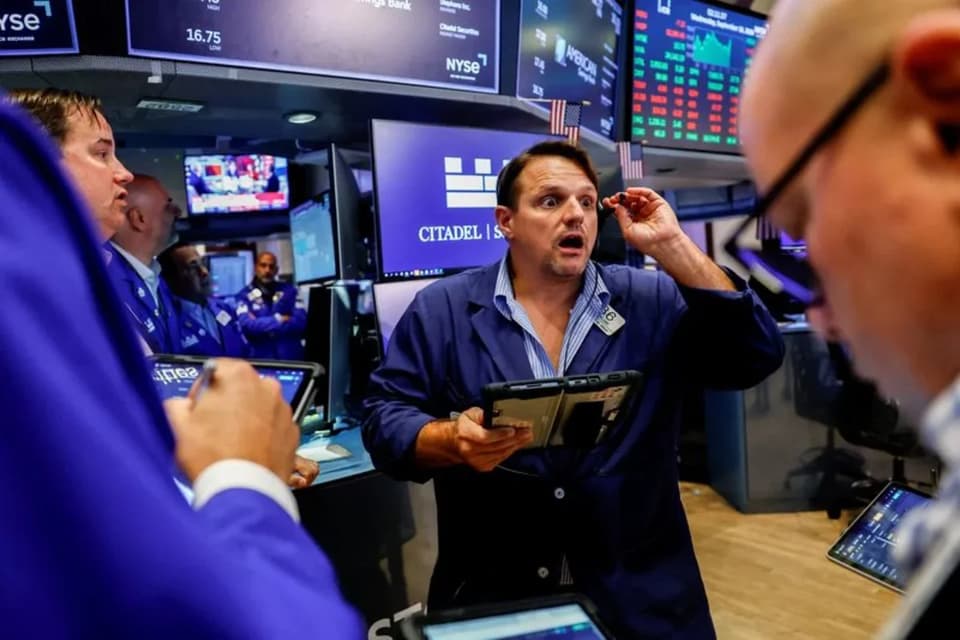
The S&P 500 closed marginally lower on September 25, 2026, as investor attention remained fixed on the ongoing US-Iran conflict. While the broad index saw only a slight decline, individual stocks exhibited significant volatility, with some tech and defense-related names swinging sharply. The market’s muted overall reaction contrasts with the heightened geopolitical tension, suggesting investors are cautiously absorbing the risks associated with the prolonged war.
Key points
- The S&P 500 ended the trading day with a marginal decline, reflecting cautious investor sentiment amid the US-Iran war.
- Market volatility was evident in individual stocks, with notable movers including Costco (down 0.91%), Moderna (up 6.98%), and Arm Holdings (down 7.88%).
- The US-Iran conflict continues to be the primary driver of market anxiety, overshadowing other economic indicators.
- The war has resulted in 18 US service member casualties and remains unpopular among the public, influencing political and market dynamics.
- Iran has publicly outlined conditions to end the war via Qatari mediation, including a ceasefire and lifting of naval blockades, though the US has not yet responded.
Background
The US-Iran conflict has been ongoing for months, with the USS Abraham Lincoln returning from a nine-month deployment in August 2026. In September, Iowa GOP lawmakers joined Democrats in supporting measures to end the war, reflecting growing political pressure. Iran has also publicly laid out terms for peace via Qatari mediators, including a full ceasefire and release of frozen funds, but the US has not yet responded. The conflict has caused significant casualties and public discontent, influencing both political and market sentiments.
Why it matters
The US-Iran war continues to exert significant pressure on global markets, with investors closely monitoring developments for potential escalations or de-escalations. The marginal decline in the S&P 500 suggests a cautious but not panicked market, while the volatility in individual stocks highlights the uneven impact of geopolitical risks. As the war persists, its effects on energy prices, defense spending, and global trade could have long-term implications for the economy. The public and political push to end the war may also influence future policy decisions, potentially altering the trajectory of the conflict and its market impacts.
What to watch
Investors will likely continue to monitor the US-Iran conflict for any signs of escalation or de-escalation, particularly in response to Iran’s publicly outlined peace conditions. The US government’s response to these terms could be a critical factor in determining the war’s trajectory. Additionally, market volatility may persist as investors assess the long-term economic impacts of the conflict, including potential effects on energy prices and defense spending. Political pressure to end the war may also influence future policy decisions, potentially altering the market’s outlook.
Want the full story? Read the original reporting
Read on Yahoo Finance