
Cramer credits Situational Awareness collapse for unlocking tech stock rally
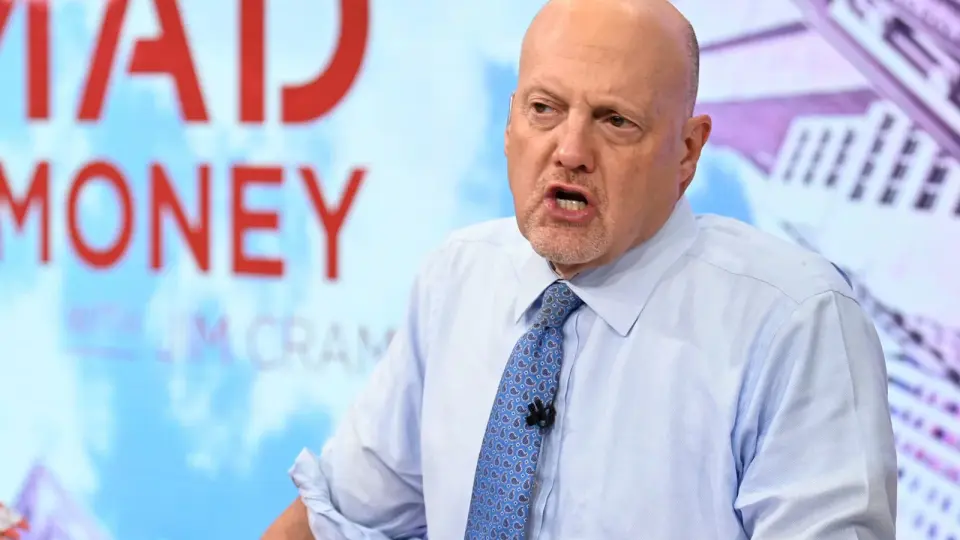
CNBC’s Jim Cramer argues that the recent surge in technology stocks is directly linked to the forced liquidation of the AI-focused hedge fund Situational Awareness. Cramer states that the fund’s collapse removed a major source of forced selling, allowing fundamentally strong tech companies to rally. He highlights ServiceNow’s recent performance as a key example, noting that its strong earnings finally received positive market reaction after previous quarters were suppressed by the fund’s unwinding. Cramer describes the event as a 'clearing event' that eliminated weak-handed shareholders, shifting market focus back to corporate fundamentals.
Key points
- Jim Cramer identifies the collapse of Situational Awareness as the primary obstacle removed from the technology sector, enabling a broad rally.
- The hedge fund, founded by Leopold Aschenbrenner, was forced to unwind a highly leveraged portfolio, flooding the market with shares of AI infrastructure companies.
- Cramer claims this forced selling pushed many fundamentally strong stocks below their fair value, creating an opportunity for rebound once the selling pressure ceased.
- ServiceNow is cited as a prime example; its stock rallied on strong results in late July, a reaction that differed from previous quarters where similar results were ignored due to market overhang.
- Cramer characterizes the fund’s implosion as a 'clearing event' that wiped out forced sellers, allowing earnings to once again become the dominant driver of stock prices.
Background
Situational Awareness, founded by former OpenAI researcher Leopold Aschenbrenner, had grown to approximately $45 billion before collapsing in late July 2026. The fund faced severe margin calls and was forced to sell a significant portion of its holdings to Citadel, wiping out roughly $35 billion in value. Prior coverage noted that the fund utilized extreme leverage, with some estimates citing up to 400%, and held stakes in AI infrastructure firms and private companies like Anthropic. The collapse was attributed to a miscalibration of capital risk rather than a systemic market failure, as the fund still manages over $10 billion in assets.
Why it matters
The narrative suggests that the recent strength in technology stocks is not solely due to improved fundamentals but also the removal of a structural overhang. By eliminating a major source of forced selling, the market can now price in corporate earnings more accurately. This shift may indicate a transition from a period of distress-driven volatility to one driven by performance, potentially stabilizing valuations for enterprise software and AI infrastructure firms that were previously undervalued due to the fund’s liquidation.
What to watch
Investors may continue to monitor technology stocks for sustained momentum as the impact of the Situational Awareness liquidation fades. The focus is likely to remain on earnings reports, particularly for enterprise software companies, to determine if the recent rally is durable or merely a relief bounce. Market participants will watch for any remaining forced selling from related positions or copy-traders who may still be adjusting their portfolios.
- Jim Cramer says one hedge fund's collapse cleared the way for tech's rally CNBC
- Investors in Situational Awareness deserved to lose their shirts The Economist
- Citadel’s Purchase of Situational’s Stocks at Discount Is Already Paying Off WSJ
- Inside the Meltdown of a Wunderkind’s A.I. Hedge Fund The New York Times
- Ken Griffin’s Citadel Jumps 6% After Situational Awareness Deal Bloomberg.com
Want the full story? Read the original reporting
Read on CNBC