
Tech Sell-Off and Midterm Elections Set Stage for Volatile Week
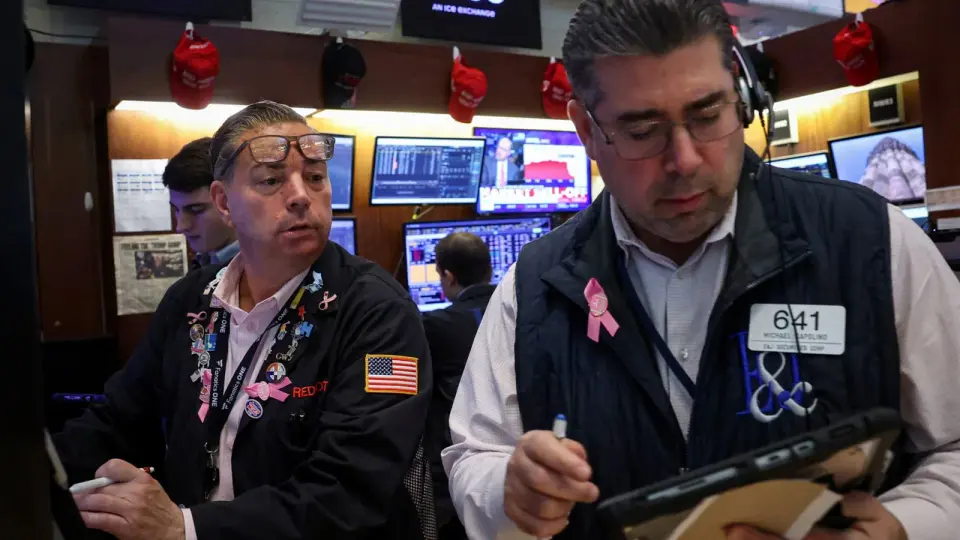
U.S. stock futures rose slightly on Sunday after a sharp weekly decline in tech, driven by disappointing AI-related earnings and capital expenditure concerns. Investors now face a critical week featuring the U.S. midterm elections, a heavy slate of corporate results, and the October jobs report. While the Nasdaq suffered its worst monthly loss since March 2025, defensive sectors like healthcare and energy outperformed as investors rotated away from high-risk AI names. A massive $6.3 billion hack at Binance also rattled crypto markets, though the exchange promised to cover losses.
Key points
- The S&P 500 and Dow fell less than 1% last week, while the Nasdaq dropped 2%, marking its worst October since March 2025.
- Alphabet and Amazon missed earnings expectations, triggering a sell-off despite strong cloud revenue, while Intel fell 28.58% on weak PC outlooks.
- U.S. midterm elections occur on Tuesday, with Democrats expected to win the House, potentially increasing regulatory scrutiny on AI and data centers.
- The October nonfarm payrolls report is due Friday, with economists expecting 55,000 jobs added, following a weak 29,000 figure in September.
- Binance suffered a $6.3 billion hack, the largest in crypto history, leading to suspended withdrawals and a 4% drop in ether prices.
Background
Recent weeks have seen a rotation out of AI-heavy tech stocks due to fears of overextended capital expenditures. Micron Technology, despite record revenue, saw shares fall 20% over the past month as investors questioned the sustainability of the AI buildout. Historical data suggests markets often rally in the 12 months following midterms, but current volatility is driven by immediate earnings misses and political uncertainty regarding data center regulations.
How outlets are covering it
CNBC and Investing.com emphasize the 'AI-wary' sentiment, noting that while fundamentals like cloud revenue remain strong, investors are punishing companies for not exceeding high expectations. Yahoo Finance highlights the 'expectations correction' rather than a fundamental collapse, citing strong AWS and Alphabet cloud numbers. Conversely, the Financial Times, behind a paywall, suggests investors are trimming growth bets due to fears of the U.S. economy's heavy AI exposure. On the political front, strategists like Rick Meckler warn that a Democratic sweep could negatively impact AI names through increased regulation, while others argue long-term capital allocation cycles will mitigate short-term political shifts.
Why it matters
The intersection of major corporate earnings, a pivotal jobs report, and a midterm election creates a high-stakes environment for U.S. markets. The outcome of the elections could reshape the regulatory landscape for AI and data centers, while the jobs report will determine the Federal Reserve's ability to raise rates. A failure in AI-related earnings could trigger a broader market correction, while a strong jobs report might offset tech weakness, influencing the trajectory of the 2026 bull market.
What to watch
Investors will watch Apple, AMD, and Palantir earnings starting Monday. Tuesday's midterm elections will determine control of Congress, with Democrats likely winning the House. Friday's nonfarm payrolls report is expected to show 55,000 jobs added. Crypto markets will monitor Binance's phased resumption of withdrawals following the hack. Any weakness in the jobs report could complicate the Federal Reserve's outlook on interest rates.
- Stock futures tick higher ahead of busy week of earnings, jobs data and the midterm elections: Live updates CNBC
- A big sell-off collides with more Big Tech earnings and a midterm election: What to watch this week Yahoo Finance
- Investors trim growth bets over fears of US economy’s AI exposure Financial Times
- A Stock Market Smackdown Week: Elections, Jobs Data, Iran And Earnings Investor's Business Daily
- Midterm US elections, earnings, jobs data loom for AI-wary stock market By Reuters Investing.com
Want the full story? Read the original reporting
Read on CNBC