
US Markets Crash as AI Trade Unwinds Post-Midterm
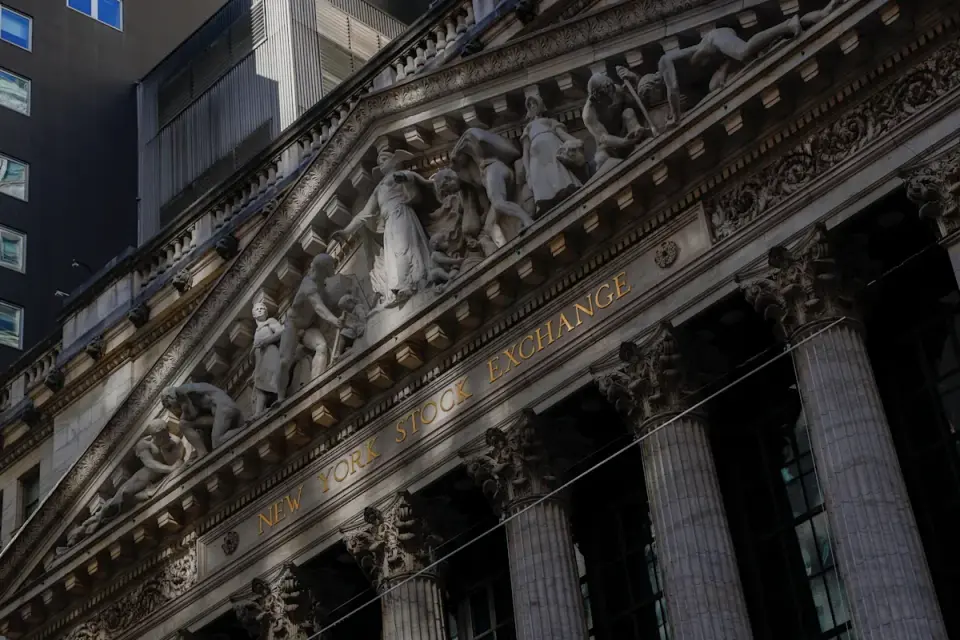
US stock markets suffered a severe sell-off on November 5, 2026, with the Dow Jones Industrial Average dropping over 1,800 points and the Nasdaq Composite entering correction territory. The decline was driven by a sharp unwind of artificial intelligence and semiconductor stocks following the Democratic sweep in the midterm elections. Investors feared that the new political landscape would impose stricter regulations on AI data center buildouts, particularly in Texas. The Philadelphia Semiconductor Index plummeted 12%, and the Magnificent Seven lost over $1 trillion in market value. Volatility spiked to its highest level since 2024, and retail investors engaged in their largest single-day selling spree since the 2020 pandemic onset.
Key points
- The Dow Jones Industrial Average fell 3.4%, or more than 1,800 points, while the S&P 500 dropped 4.3% and the Nasdaq Composite fell 5.5% into correction territory.
- The Philadelphia Semiconductor Index plunged 12%, with major chipmakers like Nvidia, Micron, and AMD leading the decline as investors locked in 2026 gains.
- The sell-off was triggered by fears that the Democratic control of Congress and key state legislatures, such as Texas, would hinder AI infrastructure projects and regulatory approvals.
- The CBOE Volatility Index surged 65% to 27.45, its biggest one-day jump in over two years, reflecting extreme market fear and uncertainty.
- Retail investors sold a net $358 million in individual US stocks, marking their largest single-day net selling since March 2020, breaking with their typical 'buy the dip' behavior.
Background
This crash followed a brief post-election rally on November 4, 2026, where markets initially reacted positively to the Democratic midterm victory. However, the rally quickly reversed as investors reassessed the implications of a Democratic Congress and state governments for AI regulation. Prior to the midterms, the Nasdaq had already entered a correction zone due to concerns over AI bubble risks and weak chip earnings. The November 5 crash marked the most severe single-day decline since the April 2025 tariff shock, with all 11 S&P 500 sectors posting losses.
How outlets are covering it
Yahoo Finance emphasized the broad market impact, noting that the Dow and S&P 500 posted their worst days since the April 2025 tariff crash, and highlighted the 'total capitulation' by retail investors. CNBC focused on the sheer scale of the losses, detailing that the Magnificent Seven lost over $1 trillion in market cap, with Nvidia alone shedding $440 billion. Both outlets agreed that the primary driver was the perceived regulatory risk to AI data centers following the Democratic sweep, particularly in Texas, where Elon Musk-led companies like Tesla and SpaceX faced heightened scrutiny. Yahoo Finance also noted that institutional investors were 'shooting the generals' by unwinding their top 2026 performers, while CNBC highlighted the unprecedented breadth of the decline, with 61.6% of S&P 500 stocks falling more than 10% from their 52-week highs.
Why it matters
This market crash signals a potential shift in the AI investment thesis, as investors now price in significant regulatory and political risks for AI infrastructure. The severe sell-off in semiconductor and tech stocks could have ripple effects across the global economy, impacting employment, innovation, and corporate earnings. The spike in volatility and the departure of retail investors from the market suggest a potential broader risk-off sentiment, which could affect other asset classes like bonds, commodities, and cryptocurrencies. The outcome of this regulatory uncertainty will likely determine the future trajectory of the AI industry and the broader tech sector.
What to watch
Investors will closely watch the Friday employment report for signs of economic resilience or weakness. The market will also monitor any immediate regulatory actions or statements from the new Democratic Congress and state legislatures regarding AI and data centers. Corporate earnings from companies like Duke Energy, Airbnb, and Lumentum will provide further insight into the health of the broader economy. The trajectory of oil prices, which rose amid uncertainty over Middle East peace talks, will also be a key factor in determining future market volatility and inflation expectations.
- Stock market today: Dow plunges 1,800 points, Nasdaq enters correction in AI trade meltdown Yahoo Finance
- Magnificent 7 loses $1 trillion. The most eye-popping stats from Thursday's tech stock plunge CNBC
- S&P 500, Nasdaq, Dow Futures Dip As Investors Step Back From AI And Tech With Nasdaq In Correction Territory — NVDA, AAPL, UBER, SOXX In Focus Yahoo Finance
- Worst US Stock Rout Since 2020 Leaves Virtually Nowhere to Hide Bloomberg.com
- Stocks tumble, erasing post-midterm gains as markets weigh future of AI build-out The Washington Post
Want the full story? Read the original reporting
Read on Yahoo Finance