
NYC congestion toll cuts traffic but fails to clean air, city admits
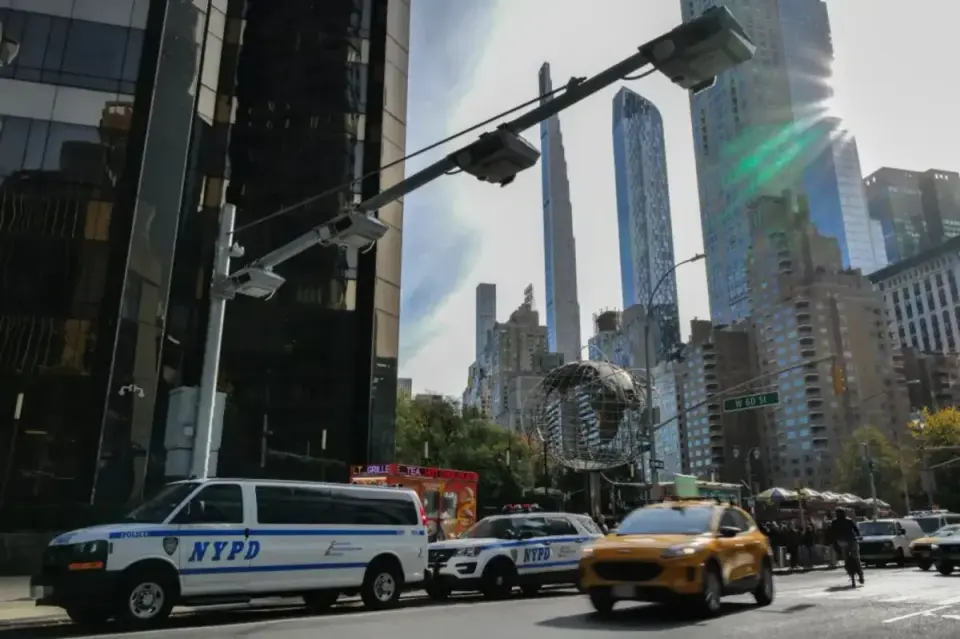
A new report from the NYC Health Department confirms that the $9 congestion toll, launched in January 2025, has not produced statistically significant improvements in air quality within Manhattan’s Congestion Relief Zone. While traffic dropped by 11%, vehicle emissions account for only 10% of the city’s total pollution, meaning fewer cars alone cannot offset emissions from buildings, power plants, and restaurants. Officials defend the toll by citing reduced gridlock and transit funding, but critics argue the program fails to deliver on its core environmental promises.
Key points
- The NYC Health Department released a report on August 17, 2026, finding no statistically significant improvement in four traffic-related pollutants within the Congestion Relief Zone since the toll began in January 2025.
- Traffic in the zone decreased by 11% since implementation, but vehicles contribute only about 10% to New York City’s overall pollution, limiting the toll’s impact on air quality.
- Major pollution sources in Manhattan include fuel burned for heating in dense buildings, restaurant emissions, and power plants, rather than vehicle traffic.
- The toll costs $9 per day for E-ZPass users during peak hours (5 a.m. to 9 p.m. weekdays, 9 a.m. to 9 p.m. weekends) and $2.25 for off-peak hours; non-E-ZPass users face rates approximately 50% higher.
- Governor Kathy Hochul and city officials continue to support the toll, citing benefits such as reduced gridlock, improved public transit, and lower traffic noise, despite the lack of air quality gains.
- Critics, including President Donald Trump and Transportation Secretary Sean Duffy, have opposed the toll as a burden on working families and small businesses, with Duffy calling it a 'slap in the face' to Americans.
Background
New York City launched its congestion pricing program in January 2025, imposing a $9 toll on vehicles entering Manhattan’s Congestion Relief Zone at or below 60th Street. The program was designed to reduce traffic congestion, improve air quality, and generate funding for mass transit upgrades. Prior to the August 2026 Health Department report, studies had shown mixed results: a Cornell study indicated cleaner air in Lower Manhattan after the toll began, while a Columbia University study linked higher pollution in the South Bronx. The city has committed approximately $70 million to pollution-mitigation efforts in the Bronx, including $20 million for cleaner refrigerated trailers at Hunts Point and $20 million for childhood asthma programs. In June 2023, Governor Kathy Hochul backed the program, promising 15 to 20% fewer vehicles in the central business district and reduced air pollution. The current report marks the first comprehensive citywide analysis of the toll’s impact on air quality after its first year.
Why it matters
The finding that congestion pricing has not improved air quality challenges the primary environmental justification for the $9 toll, which affects millions of daily commuters and small businesses in New York City. As the city continues to rely on the toll for transit funding, the lack of measurable air quality gains may fuel political opposition and calls for policy changes. The report also highlights the complex nature of urban pollution, where vehicle emissions are a minor contributor compared to building heating, power generation, and commercial activity. This underscores the need for broader strategies to address air quality in dense urban environments like Manhattan.
What to watch
The congestion toll remains in effect, with no immediate plans to repeal or modify the $9 fee. City officials and Governor Kathy Hochul are expected to continue defending the program by emphasizing its benefits for traffic reduction and transit funding. Critics may use the Health Department’s findings to push for legislative changes or federal intervention, although a federal judge has already blocked the Trump administration’s attempt to withdraw approval. Future reports may assess long-term impacts on air quality, traffic patterns, and transit usage, while the city continues to invest in pollution-mitigation projects in areas like the Bronx.
Want the full story? Read the original reporting
Read on New York Post