
US Strikes Iranian Tankers as Tehran Doubles Gasoline Prices Amid Economic Squeeze
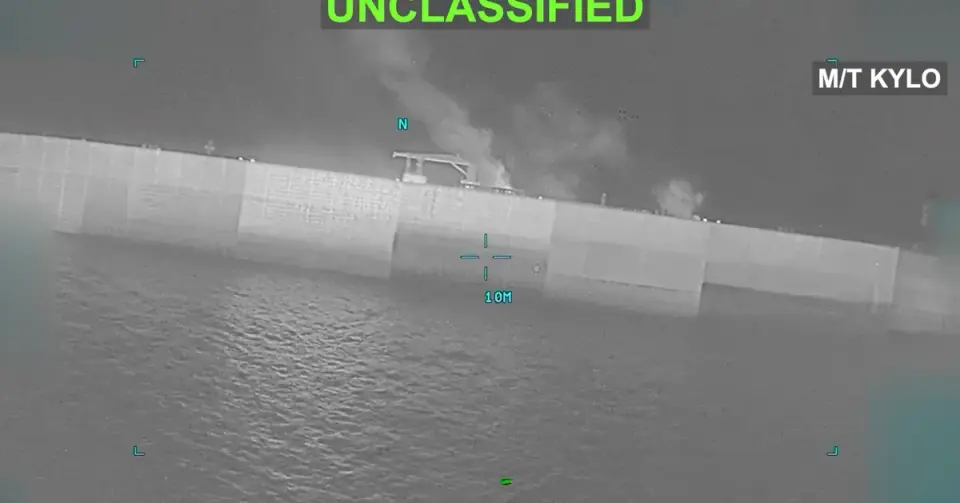
US forces struck three Iranian oil tankers on September 5, marking a shift from financial sanctions to physical destruction of Tehran's export infrastructure. Simultaneously, Iran doubled gasoline prices for heavy users to address severe fuel shortages caused by the US naval blockade and war damage. While Washington aims to 'asphyxiate' Iran's economy, analysts warn that targeting energy infrastructure risks widening the conflict into a broader regional energy war.
Key points
- US Central Command confirmed strikes on three Iranian tankers near Kharg Island, Jask, and the Gulf of Oman on September 5, following Iranian ballistic missile attacks on US naval forces.
- Iran doubled the price of its third-tier gasoline to 10,000 tomans per liter effective September 8, aiming to curb consumption amid a daily deficit of 10-15 million liters.
- Iranian crude loadings dropped to 220,000-255,000 barrels per day in August from 740,000 in July, with roughly 30 million barrels of unsold crude remaining for China, according to US Treasury Secretary Scott Bessent.
- The US strategy shifts from financial sanctions to physical destruction of vessels, aiming to make the 'shadow fleet' too risky and expensive to operate.
- Iranian officials claim they are still selling 1.5 million barrels per day via floating storage, contradicting US claims of total export collapse.
Background
This escalation follows a months-long maritime confrontation in the Strait of Hormuz, including recent attacks on Saudi-owned tankers and US strikes on Iranian vessels. The conflict began with a US-Israeli war in February 2026, leading to a US naval blockade since July. Previous archive coverage highlights the deepening 'tanker war' and the threat to global energy supplies as both sides seek to inflict economic costs.
How outlets are covering it
Iran International and the Financial Times emphasize the strategic gamble of the US approach: while physical strikes may disrupt Iran's shadow fleet, they risk incentivizing Tehran to attack regional energy infrastructure, potentially raising costs for Gulf neighbors like Saudi Arabia and the UAE. AP News and Al Arabiya focus on the immediate domestic impact, highlighting the politically sensitive gasoline price hike and the severe inflation (near 90%) and currency collapse (2.2 million rials to the dollar) driving the shortage. US officials, including Bessent, frame the actions as a successful 'economic asphyxiation' strategy, while Iranian security officials deny the collapse of oil revenues, citing floating storage sales.
Why it matters
The shift from financial to physical targeting of oil infrastructure raises the risk of a wider regional energy war, potentially disrupting global oil flows through the Strait of Hormuz. Simultaneously, the gasoline price hike in Iran risks triggering social unrest, as seen in 2019, amid a deepening economic crisis and currency collapse.
What to watch
Watch for potential Iranian retaliation against regional energy infrastructure in the Gulf. Monitor the impact of the gasoline price hike on public unrest in Iran. Track whether the US strategy successfully reduces Iranian oil revenues or if floating storage allows Tehran to maintain export income.
- The gamble behind US attacks on Iran’s oil tankers Iran International
- Iran increases gasoline price for its heaviest consumers as economy struggles AP News
- Iran's government to raise fuel price for heavy users Reuters
- Iran to raise petrol prices as US war triggers shortages Financial Times
- Iran raises price of petrol as US applies economic pressure Al Arabiya English
Want the full story? Read the original reporting
Read on Iran International