President Trump extended the deadline to reopen the Strait of Hormuz by 10 days after Tehran reportedly asked for more time, saying talks are progressing and Iran signals willingness to negotiate after a 15-point list was exchanged through intermediaries.
US-Israel strikes on Iran and Tehran’s retaliation against energy infrastructure threaten long-standing norms governing when a country may wage war; ICC prosecutor Moreno Ocampo calls the conflict a crime of aggression, while the White House defends actions as necessary to counter a rogue regime. The debate intensifies as attacks on energy assets mount across the region, highlighting concerns about civilian harm and the viability of the rules-based international order.
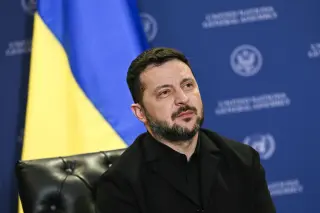
President Trump says discussions with Iran are 'really good' and has ordered a five-day pause on attacks against Iran's energy infrastructure, suggesting a potential deal could end the conflict if talks continue. The compilation also covers related developments: the UK summoning Iran's ambassador over National Security Act charges, Zelenskyy alleging Russia is feeding intelligence to Iran, and other regional war-related updates.
President Trump announced a five-day postponement of U.S. strikes on Iran’s power plants and energy infrastructure after productive talks with Tehran, signaling a potential de-escalation as negotiations proceed; Iran indicated willingness to negotiate with guarantees, while both sides continue to threaten actions elsewhere, including Gulf energy facilities and shipping through the Strait of Hormuz.
As the Middle East conflict widens, Iran says it would shut the Strait of Hormuz completely and attack power plants if the U.S. acts on Trump’s 48-hour deadline to open the strait, with both sides threatening critical infrastructure and oil routes amid rising casualties and regional disruption.
NextEra Energy announced that President Trump approved developing up to 10 gigawatts of natural gas‑powered generation in Texas and Pennsylvania, tied to Japan's $550 billion investment commitment under a U.S.–Japan trade deal. The projects would be owned jointly by Japan and the U.S. and built and operated by NextEra, aiming to meet rising power demand, strengthen the U.S. industrial base, and avoid increasing electricity costs for Americans. Progress depends on definitive documents and successful development, construction and commissioning, with NextEra leveraging its hub strategy (about 30 hubs today, targeting ~40) to accelerate delivery.
Iran’s Revolutionary Guard-linked force Khatam al-Anbiya warned that if fuel and energy infrastructure is attacked, it will target energy, information technology, and desalination networks belonging to the US and its regional regime allies, signaling a fresh escalation as Gulf tensions flare and Western powers pledge to safeguard global energy routes.
Oil prices pulled back after spiking amid attacks on energy infrastructure in the Persian Gulf as the Iran–Israel conflict continues, with several strikes on gas hubs and refineries, disruptions to LNG in Qatar, and ongoing threats to shipping through the Strait of Hormuz; the United States weighs policy moves (sanctions, SPR releases) and allies monitor the economic fallout and volatility in global energy markets.
As Iran widens its strikes on Gulf energy facilities, regional powers such as Qatar, Saudi Arabia, and the UAE face a choice between maintaining diplomatic/defensive postures and taking offensive action. Possible moves include allowing U.S. bases and airspace access for strikes or targeting Iran’s missile and drone launchers, while aiming to protect critical shipping through the Strait of Hormuz. Analysts warn that any retaliation risks triggering heavier Iranian responses and broader regional escalation, including strikes on civilian infrastructure or leveraging proxies like the Houthis.
ISW’s March 14 assessment describes a large nighttime Russian campaign against Ukraine on March 13–14, featuring Zirkon hypersonic missiles, Iskander-M/S-400 and Kalibr missiles, Kh-101 and Kh-59/69 missiles, and roughly 430 attack drones, with Kyiv and other regions suffering civilian casualties and power outages. Ukrainian forces answered with long-range strikes on Russian oil facilities and ports and intensified mid-range drone and missile operations against Russian logistics and air defenses ahead of a potential spring-summer offensive, while fighting remains concentrated in eastern and southern Ukraine and near Slovyansk.
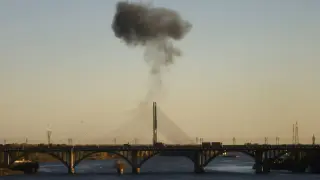
A combined Russian missile and drone attack on the Kyiv region overnight left at least six dead and dozens wounded, hitting four districts and damaging homes, schools and critical infrastructure as Ukraine said roughly 430 drones and 68 missiles were launched; three people were critically injured, two of them undergoing surgery, with authorities noting the strike targeted energy infrastructure.
Russia launched a broad missile and drone assault against Ukraine, killing six people and injuring dozens as strikes hit Kyiv’s energy infrastructure and civilian buildings, with activity across Sumy, Kharkiv, Dnipro and Mykolaiv; about 430 drones and 68 missiles were involved, most downed by air defences, while six regions faced power outages and a later Zaporizhzhia strike added casualties.
Iran’s ongoing attacks on Middle East shipping and energy infrastructure have driven oil prices up again, as regional hostilities persist and the U.S.-led air campaign targets Iranian assets, keeping global markets unsettled.
Iranian state media said clerics are close to selecting a successor to Ayatollah Khamenei, while the wider U.S.–Israeli confrontation intensifies with strikes on Iran’s energy and military targets; Iran reportedly has a majority view among the Assembly of Experts on the successor but no name has been announced. Across the region, fighting expands to Lebanon, Iraq, and the West Bank, with attacks on oil depots and desalination plants, civilian casualties, and mass displacement as the United States warns civilians to stay home amid the escalation.
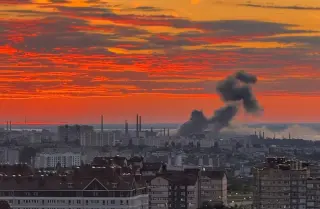
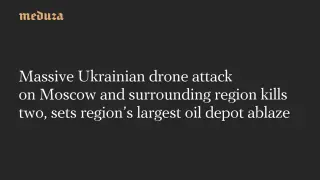
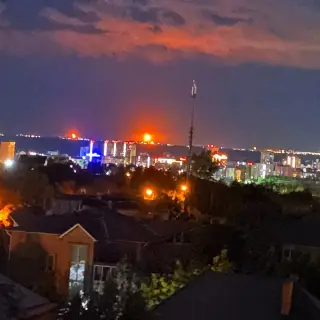
Ukraine reportedly carried out overnight strikes targeting energy infrastructure in Russia's Belgorod Oblast and an oil depot in the Russian-occupied city of Luhansk, with local footage and officials describing damage and power outages in Belgorod. Kyiv Independent could not independently verify the claims at publication. Russia said 95 Ukrainian drones were shot down overnight. Kyiv says oil facilities are valid military targets to weaken Moscow's war effort, while Russia has intensified attacks on Ukraine's power grid.