
US Tech Outages Spark Cyberattack Fears Amid Leadership Vacuum
A cluster of major IT failures in the US, including a nationwide flight ground stop and outages at Microsoft, Apple, and JPMorgan Chase, has triggered public speculation about a coordinated cyberattack. While government officials insist these are unrelated technical glitches, experts warn that aging infrastructure and AI-driven vulnerabilities create significant risks. The debate intensified after the departure of National Cyber Director Sean Cairncross, leaving a leadership gap in a critical security role.
Key points
- Multiple high-profile outages occurred in mid-November 2026, affecting the Federal Aviation Administration, Microsoft, United Airlines, JPMorgan Chase, Apple, Marriott, and the National Security Agency.
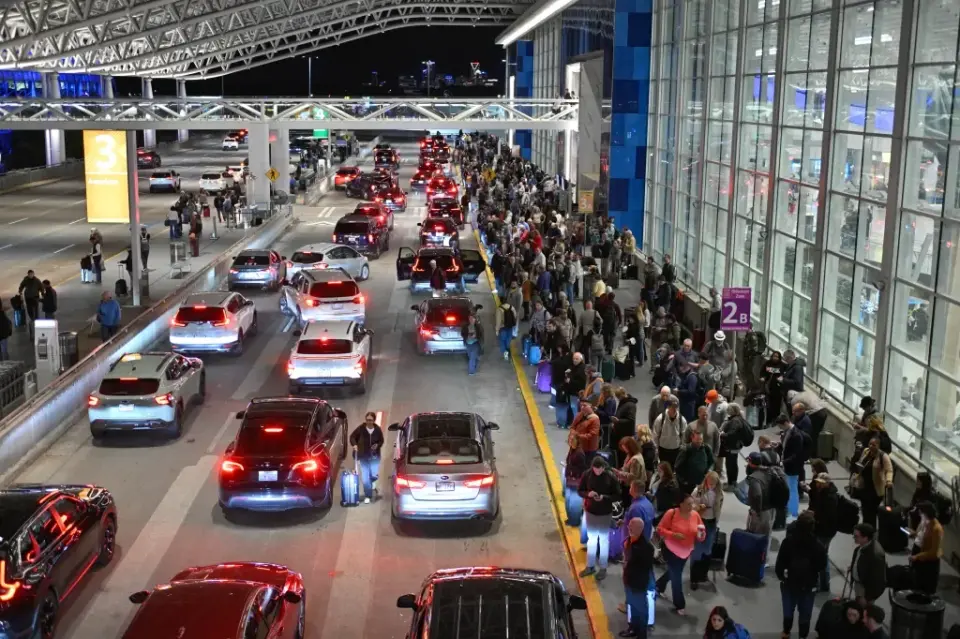
- The FAA issued a nationwide ground stop on November 13, causing significant delays and stranding passengers at airports like Charlotte Douglas International.
- The FBI has issued warnings regarding new AI-enabled cyberattacks, though it is unclear if these are linked to the recent outages.
- Cybersecurity firm VulnCheck reported over 100,000 vulnerabilities disclosed in 2026, more than double the 2025 figure, with exploitation speeds increasing by 33%.
- National Cyber Director Sean Cairncross is leaving his post, with CBS reporting he was fired, creating a vacancy in a key cybersecurity leadership role.
Background
In late October and early November 2026, the US faced a series of security concerns, including a hack on the FBI and spreading attacks on water systems. European cyberattacks on supermarket refrigeration systems in early November highlighted vulnerabilities in legacy software, raising alarms about similar risks in US critical infrastructure.
How outlets are covering it
The administration, including Vice President JD Vance and Secretary of State Marco Rubio, maintains that the outages are unrelated technical glitches, not a coordinated attack. However, Senator Josh Hawley criticized this view, calling the coincidence 'the greatest in the history of the world.' Experts like Dmitri Alperovitch and Aaron Mitchell of HeroDevs emphasize that while the outages may not be a single coordinated strike, the rapid exploitation of AI-discovered vulnerabilities in outdated software poses a severe, ongoing threat. NPR and The Dispatch highlight the tension between official reassurances and the tangible risks posed by fragile infrastructure and AI-driven security gaps.
Why it matters
The incident underscores the fragility of US critical infrastructure in the face of AI-accelerated cyber threats. The departure of the National Cyber Director leaves a leadership vacuum at a critical time, potentially weakening the nation's ability to respond to future attacks. The debate over whether these outages are coordinated or coincidental highlights a broader issue of public trust in government transparency regarding cybersecurity risks.
What to watch
The US government must fill the National Cyber Director role and address vulnerabilities in legacy software. Experts predict increased AI-driven cyberattacks on critical infrastructure in 2028, necessitating immediate action to patch outdated systems and enhance security protocols. The public and lawmakers will likely continue to scrutinize the administration's response to these outages and its broader cybersecurity strategy.
- Is the U.S. Facing a Coordinated Cyberattack? The Dispatch
- Just how vulnerable are we to cyberattacks? NPR
- Are Americans right to believe they’re under cyber attack? - Americast Black Country Radio
- Threats Don’t Stop at Red Lights: Securing America’s Critical Infrastructure GovInfoSecurity
- How vulnerable are our power and water supply to potential cyber attacks? kens5.com
Want the full story? Read the original reporting
Read on The Dispatch