
Inflation and Energy Costs Force U.S. Consumers to Cut Holiday Spending
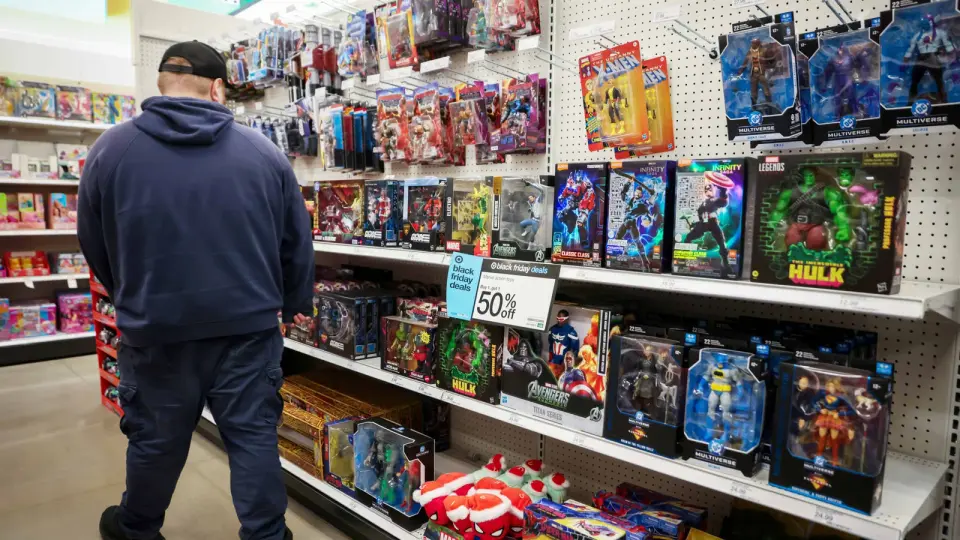
U.S. consumers are significantly reducing holiday spending in 2026 due to rising inflation and energy costs. While overall retail sales are projected to grow, the increase is driven by higher prices rather than increased volume. Many households are cutting back on personal expenses, delaying purchases, and relying on credit or buy-now-pay-later services to afford gifts.
Key points
- A 10-person Thanksgiving dinner costs $58.63 in 2026, up 6% from the previous year, according to the American Farm Bureau Federation.
- 71% of Americans are cutting back on other expenses to afford the holidays, with 44% reducing spending on personal items and 37% cutting groceries and dining out, per The Consumer Collective.
- 63% of consumers plan to use credit cards or buy-now-pay-later services to pay for the holiday season, with 66% of those already carrying such debt planning to use it again.
- Gas prices are up 18% year-over-year, and domestic airfare around Thanksgiving is 31% higher than last year, according to AAA and Hopper.
- Walmart has overtaken Amazon as the preferred retailer among households earning less than $75,000, with secondhand shopping rising to 13% from 8% last year.
Background
U.S. retail sales slowed to 0.2% in October 2026, a sharp decline from September's 0.8% gain, as consumers faced high prices and economic uncertainty. This slowdown followed a period where inflation had driven 4.5% holiday sales growth in 2025, but real spending lagged. The current consumer caution is part of a broader trend of households prioritizing essential expenses and delaying discretionary purchases.
How outlets are covering it
CNBC emphasizes the impact of inflation on food and energy prices, noting that families are making tough choices and some are turning to credit cards. The Consumer Collective, cited by Morningstar and Chain Store Age, highlights that 71% of Americans are cutting back on personal expenses to afford holidays, with a significant shift toward value retailers like Walmart and secondhand shopping. Mass Market Retailers focuses on the shift from Amazon to Walmart among lower-income shoppers, while CNBC notes that higher earners are driving most of the holiday spending growth, reflecting a 'K'-shaped economy.
Why it matters
The 2026 holiday season highlights the growing strain on U.S. consumers due to inflation and energy costs. The shift in spending patterns, including increased reliance on credit and a move toward value retailers, indicates a potential long-term change in consumer behavior. This could impact retail sales, consumer debt levels, and overall economic growth in the coming year.
What to watch
Consumers are expected to continue cutting back on personal expenses and relying on credit or buy-now-pay-later services to afford holiday gifts. Retailers are likely to focus on value-driven strategies, including promotional pricing and loyalty programs, to attract budget-conscious shoppers. The impact of energy prices on heating costs and travel will continue to affect consumer spending throughout the winter.
- Even the price of toys is on the rise. How Americans are scaling back holiday plans CNBC
- 71% of Americans Are Trading Off to Afford the Holidays, New Report Finds Morningstar
- Walmart overtakes Amazon among lower-income holiday shoppers Mass Market Retailers
- Survey: Consumers to use sales, credit cards, BNPL to curb holiday spending Chain Store Age
- They Cut Everyday Bills. Now They’re Thinking Bigger for the Holidays. PYMNTS.com
Want the full story? Read the original reporting
Read on CNBC