
A Bridge Game Led to a $67,000 Investment That Grew to $25 Million
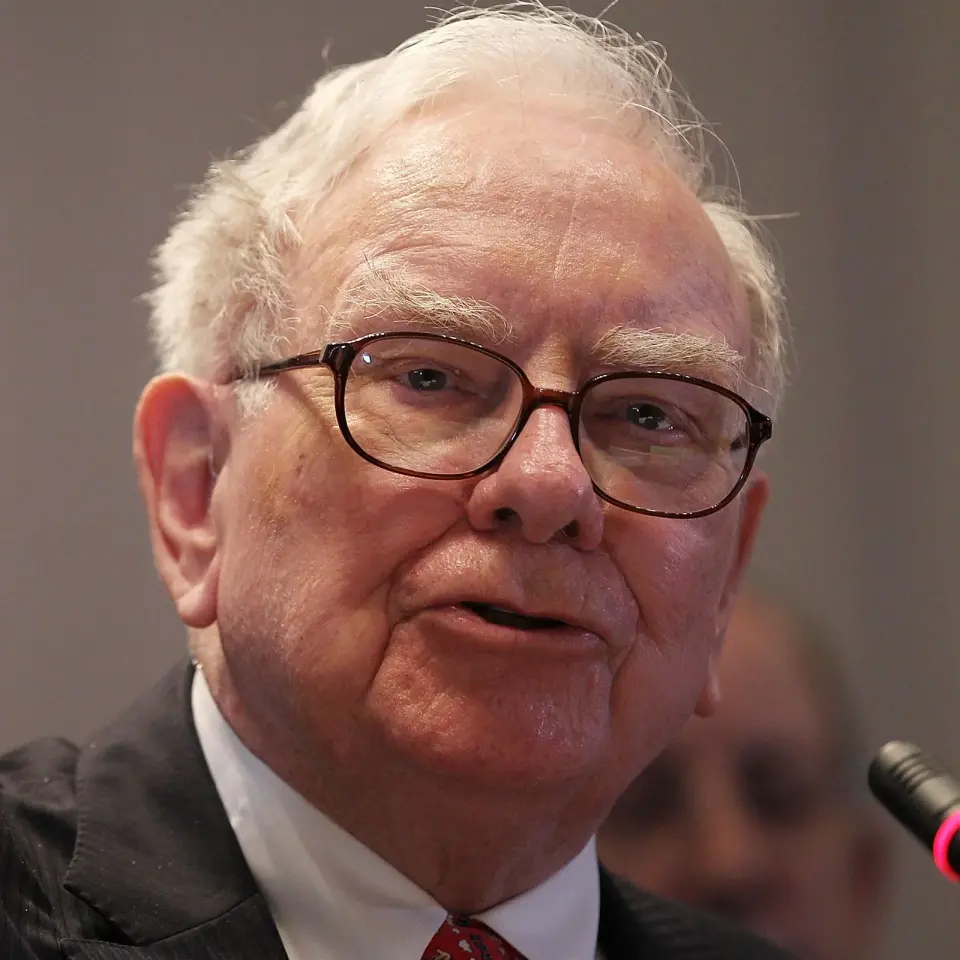
Rabbi Myer Kripke and his wife Dorothy invested approximately $67,000 with Warren Buffett in 1966 after a multi-year persuasion process. By the mid-1990s, the investment had grown to over $25 million. The couple maintained a modest lifestyle, living in a rented apartment and driving a Chevrolet, while donating the majority of their wealth to charitable causes, including the Jewish Theological Seminary.
Key points
- Dorothy Kripke spent two to three years convincing her husband to invest their savings with neighbor Warren Buffett, who had waived his usual $150,000 minimum for the amount.
- The initial investment of roughly $67,000, made in 1966, grew to more than $25 million by the mid-1990s due to long-term compounding without active management.
- Despite their significant wealth, the Kripkes continued to live modestly, renting a three-bedroom apartment for $900 a month and driving a Chevrolet.
- The couple donated $7 million to the Jewish Theological Seminary for tower restoration and pledged an additional $8 million to be paid after their deaths.
- Myer Kripke died in 2014 at age 100, while Dorothy died in 2000; their son Saul is a Princeton philosopher, and their daughter Madeline collected approximately 20,000 dictionaries.
Background
This story highlights the power of long-term compounding, a strategy often associated with Warren Buffett. Recent developments show Buffett stepping down as Berkshire Hathaway chairman in September 2026, with his son Howard assuming the role. Additionally, Berkshire has recently shifted its investment strategy, including a significant $930 million bet on Italian tech acquirer Bending Spoons, marking a departure from its traditional avoidance of technology companies.
How outlets are covering it
The primary source, 24/7 Wall St., emphasizes the role of patience and the 'set and forget' nature of the investment, noting that the Kripkes' modest lifestyle allowed the compounding to work uninterrupted. The secondary source, Yahoo Finance, appears to be an error page or technical glitch, providing no substantive narrative or alternative perspective on the story. Therefore, the synthesis relies primarily on the detailed account from 24/7 Wall St., which cites Douglas Martin’s New York Times obituary and a 2011 oral history for its facts.
Why it matters
The Kripkes' story serves as a concrete example of how long-term compounding can transform modest sums into significant wealth, particularly when investors avoid frequent trading or market timing. It also illustrates the potential impact of philanthropy, as the couple used their wealth to support educational and religious institutions. For modern investors, it underscores the value of sticking with a trusted strategy over decades, even when market conditions or personal circumstances change.
What to watch
There are no immediate next steps related to the Kripkes' investment, as the story is historical. However, the broader context of Berkshire Hathaway's leadership transition and its recent shift toward technology investments may influence how future investors view long-term strategies. Investors may continue to look to Buffett's legacy for guidance on patience and value investing, especially as market conditions evolve.
- In 1966, His Wife Convinced Him To Invest About $67,000 With A Man They Played Bridge With. The Bridge Player's Name Was Warren Buffett. By The Mid-1990s, The Couple's Investment Was Worth More Than $25 Million 24/7 Wall St.
- 1961 Chemical Engineer Wife’s $50,000: Full Details JournalArta
- In 1966, His Wife Convinced Him To Invest About $67,000 With A Man They Played Bridge With. The Bridge Player’s Name Was Warren Buffett. By The Mid-1990s, The Couple’s Investment Was Worth More Than $25 Million Yahoo Finance
Want the full story? Read the original reporting
Read on 24/7 Wall St.