
Koeberg Nuclear Plant Goes Dark Again After Electrical Trip, Compounding Africa's Energy Crisis
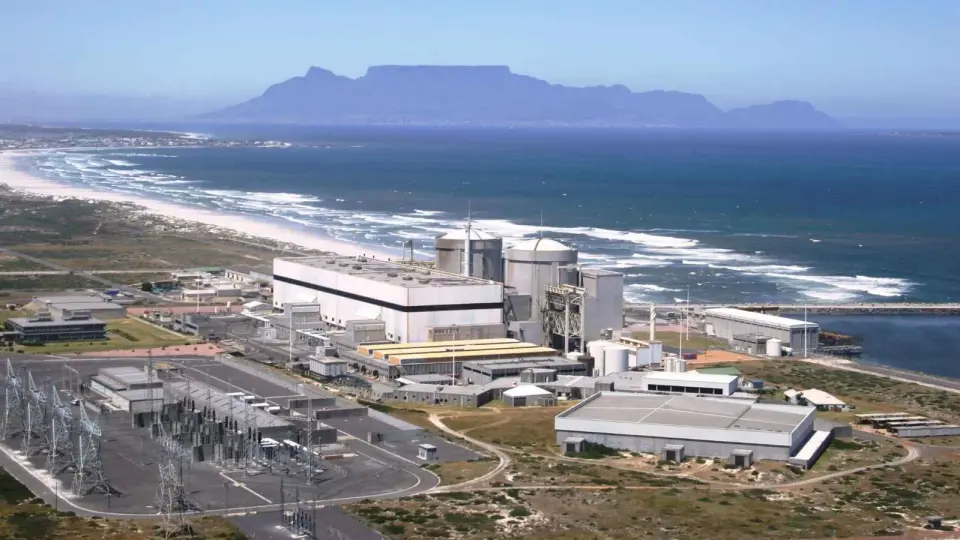
Africa's only nuclear plant, Koeberg, has gone completely offline for the second time in two months. While an August incident involved dead sardines clogging seawater intakes, the latest shutdown on October 16 was caused by an electrical protection system tripping during maintenance tests. With one reactor in planned refueling and the other in unplanned outage, the plant produced zero power, though Eskom states the grid remains stable.
Key points
- On October 16, Koeberg's Unit 1 tripped during testing linked to Unit 2's maintenance outage, causing both reactors to go offline.
- The trip was triggered by an electrical protection system detecting a disturbance, opening 400-kilovolt and 24-kilovolt breakers.
- This follows an August incident where dead sardines clogged the seawater intake, forcing Unit 1 to cut power to 50 percent.
- Unit 2 has been offline since April 26 for scheduled refueling, with completion expected in November 2026.
- Eskom reports the grid is unaffected by the double outage, citing sufficient alternative generation capacity.
Background
South Africa's energy landscape has been strained by recent events, including anti-migrant violence in Durban and Soweto in early October. The Koeberg plant, located 17 miles north of Cape Town, is the continent's sole nuclear facility, normally generating over 1,860 megawatts. The August sardine die-off, linked to a pilchard herpesvirus with a 99 percent genetic match to an Australian strain, affected 1,600 miles of coastline. This latest shutdown adds to a period of operational challenges for the plant, which had previously recovered from the August incident by August 31.
Why it matters
The repeated shutdowns of Africa's only nuclear plant highlight vulnerabilities in the continent's energy infrastructure. While Eskom maintains grid stability, the reliance on a single nuclear facility for 5 percent of national generation creates risk. The October trip, distinct from the August biological issue, suggests potential technical or electrical faults that require investigation. As South Africa navigates an energy crisis, the reliability of its nuclear assets is critical for long-term stability.
What to watch
Eskom engineers are currently investigating the cause of the October 16 electrical trip on Unit 1. Unit 2's planned refueling outage is scheduled to conclude in November 2026. A scientific working group will review sardine fishing quotas on October 27, and a survey of sardine stock levels will begin in early November. Eskom expects to resolve the Unit 1 fault before Unit 2 returns to service.
Want the full story? Read the original reporting
Read on Autonocion.com