
Scammers Flood Inboxes to Hide Credit Card Fraud Alerts
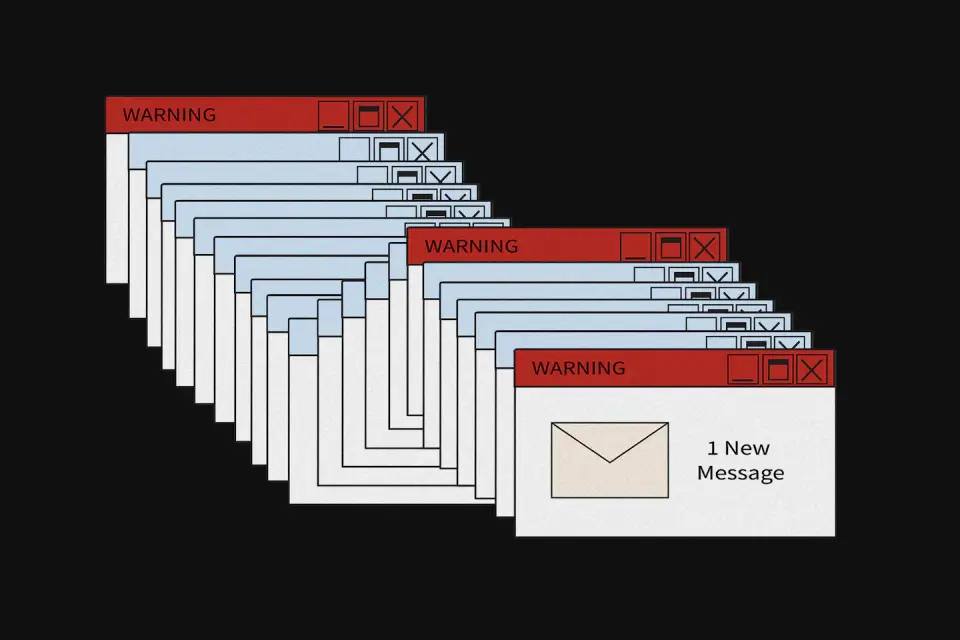
Fraudsters are using 'email bombing' to mask unauthorized credit card charges by flooding victims' inboxes with spam. This tactic buries legitimate bank fraud alerts, making it difficult for consumers to detect and report theft. Cybersecurity firm eSentire reported a 1,450% increase in such attacks in 2025, highlighting a growing threat to personal financial security.
Key points
- Scammers send massive volumes of spam to hide real fraud alerts from banks.
- This method exploits the common frustration of inbox clutter to delay victim response.
- eSentire noted a 1,450% rise in email bombing attacks in 2025.
- Consumers are advised to monitor bank alerts closely despite spam noise.
Background
This tactic follows a broader trend of AI-enhanced phishing and spam evasion techniques, including 'ASCII smuggling' and OAuth bypasses, which have become more prevalent in 2026. It also aligns with rising impostor scams that have defrauded Americans of $1.8 billion this year, as noted by Michelle Singletary in August 2026.
Why it matters
Email bombing undermines the effectiveness of standard fraud alerts, potentially allowing unauthorized transactions to go unnoticed and unreported. This increases financial risk for consumers and businesses alike, as delayed detection can lead to greater losses and more complex recovery processes.
What to watch
Consumers should adopt stricter email hygiene, such as using dedicated inboxes for financial alerts or enabling advanced spam filters. Banks may need to develop more robust alerting systems that bypass standard email inboxes, such as using SMS or app notifications, to ensure fraud alerts are not buried by spam.
Want the full story? Read the original reporting
Read on The Washington Post