
US Goods Deficit Hits Record $149.5 Billion as AI Imports Surge
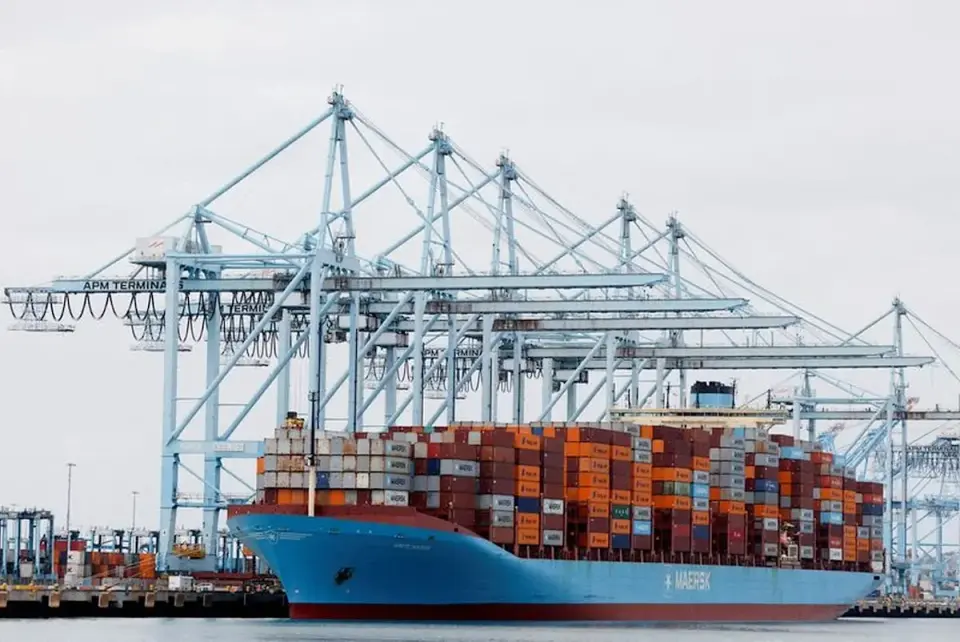
The US goods trade deficit expanded sharply in October to a record $149.5 billion, driven by a surge in capital goods imports linked to artificial intelligence infrastructure. While exports rose, the massive increase in imports, particularly for AI-related equipment, is expected to subtract from fourth-quarter economic growth. This trend persists despite aggressive tariffs, as robust domestic demand fuels spending on imported technology and industrial supplies.
Key points
- The US goods trade deficit jumped 10.7% to $149.5 billion in October, the highest level since March 2025 and significantly higher than the $133 billion forecast by economists.
- Goods imports rose 6.1% to a record $365.3 billion, with capital goods soaring 8.5% month-over-month and 80% year-over-year, reflecting heavy business spending on AI infrastructure.
- Exports increased 3.2% to $215.8 billion, but the gap between imports and exports widened the deficit, with imports outpacing exports by a larger margin than in previous months.
- Trade subtracted 3.21 percentage points from third-quarter GDP growth, a drag that was offset by strong consumer spending and business investment, resulting in a 4.3% annualized GDP growth rate for the quarter.
- Wholesale inventories rose 0.9% in October, and retail inventories increased 0.8%, suggesting businesses are rebuilding stock to meet demand, which may partially offset the negative impact of the trade deficit on GDP.
Background
The US goods and services deficit had narrowed to $105.0 billion in September 2026, a decrease from August, driven by rising exports. However, the October data shows a sharp reversal, with imports surging despite President Trump's aggressive tariff policies. The administration has proposed new maximum potential rates of 20% to 40% on 14 major trading partners, including China, Japan, and the European Union, citing excess industrial capacity. Meanwhile, China's trade surplus hit a record high in September, driven by a surge in exports of AI-related components and cars, highlighting the global imbalance in trade flows.
Why it matters
The record-high trade deficit signals that AI infrastructure spending is heavily reliant on imports, which subtracts from US GDP growth. This trend challenges the narrative that tariffs will shrink the trade gap and rejuvenate the industrial base, as domestic demand for imported capital goods continues to outpace export growth. The potential drag on fourth-quarter GDP growth may be blunted by inventory rebuilding, but the underlying imbalance in trade flows remains a significant concern for economic policy.
What to watch
Economists at Goldman Sachs have lowered their fourth-quarter GDP growth estimate to 2.2%, factoring in the trade deficit and inventory data. The anticipated hit to GDP growth from trade could be blunted by businesses rebuilding inventories to meet demand. The Trump administration's proposed new tariff rates on 14 major trading partners are expected to be implemented, potentially impacting future trade flows and import costs.
Want the full story? Read the original reporting
Read on Yahoo Finance