
California’s New Tire Efficiency Mandate Sparks Debate Over Cost, Safety, and Choice
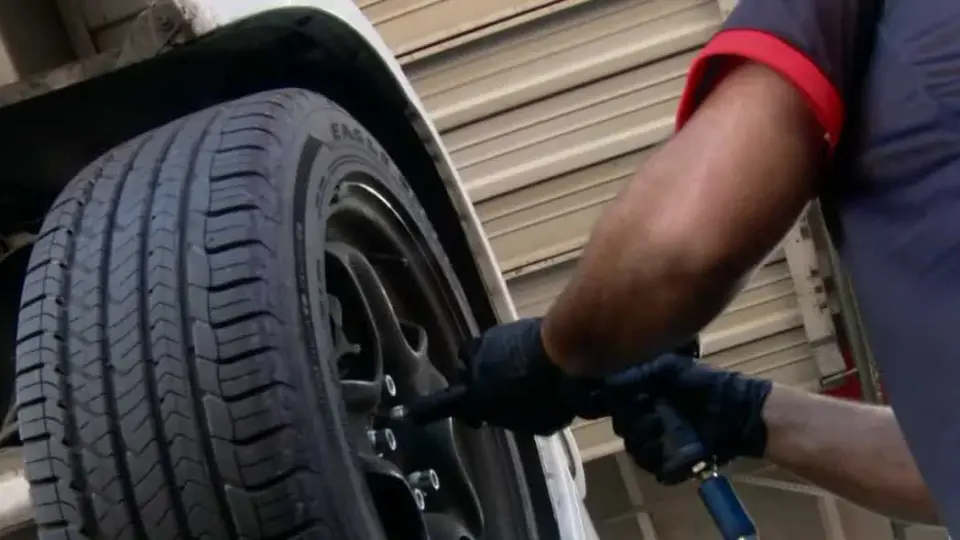
California has become the first U.S. state to regulate the rolling resistance of replacement tires, aiming to improve fuel efficiency and cut emissions. The new rules, approved by the California Energy Commission, will phase out approximately 70% of current budget-friendly tires by 2033. While officials project modest cost increases and significant fuel savings, industry experts and some consumers warn of higher prices, reduced safety, and limited availability.
Key points
- The California Energy Commission unanimously approved the Replacement Tire Efficiency Program, setting rolling resistance limits of 9.1 N/kN by 2029 and 7.2 N/kN by 2033.
- The regulations are expected to eliminate 70% of currently available replacement tires, forcing manufacturers to develop new, more efficient models.
- The CEC estimates the cost increase will be $1.50 per tire in Phase 1 and $6.50 in Phase 2, with projected fuel savings of $79 to $153 per tire.
- Industry critics, including Goodyear and local tire dealers, dispute these figures, warning that costs could rise by $10 to $20 per tire or even hundreds of dollars, and that efficiency may compromise tire durability and safety.
- Exceptions exist for used, motorsport, snow, motorcycle, and large off-road tires, but the vast majority of standard passenger vehicle tires will be affected.
Background
This policy follows California’s history of leading in environmental regulations, such as strict vehicle emission standards and electric vehicle mandates. The move is part of a broader Democratic regulatory agenda in the state, which has drawn criticism from Republicans and some industry groups as overreach. Previous coverage noted that the rules were revived from a dormant bill (AB 844) and that Governor Gavin Newsom has publicly defended the policy as a net financial benefit for drivers.
How outlets are covering it
The California Energy Commission and supporters like Michelin and Bridgestone argue that the rules will save drivers money through fuel efficiency and reduce greenhouse gas emissions. They contend that the market will adapt, similar to the transition to energy-efficient light bulbs. In contrast, Goodyear and local tire dealers like Junior Tariq of A-1 Auto Tire in Sacramento warn that the rules will drastically reduce affordable options and increase costs beyond the CEC’s estimates. Tariq also raised safety concerns, suggesting that lighter, more efficient tires may be weaker. KIRO Newsradio host Jake Skorheim dismissed the policy as a 'climate scam,' criticizing the CEC for urging a 'tonal change' in reporting and arguing that the opposition from American companies like Goodyear is more credible than support from foreign firms like Michelin and Bridgestone. Jalopnik highlighted that while the CEC claims no link between efficiency and tire lifespan, some experts argue that low-rolling-resistance tires may wear out faster, potentially negating fuel savings.
Why it matters
This is the first time a U.S. state has regulated the physical properties of replacement tires, setting a potential precedent for other states like Washington and Rhode Island, which are already considering similar measures. The policy directly impacts consumer choice, cost, and vehicle safety, while also influencing the tire manufacturing industry and potentially affecting national standards if other states follow California’s lead.
What to watch
The first phase of the regulations takes effect in 2029, with the stricter second phase in 2033. Manufacturers have until then to develop and produce compliant tires. The CEC has introduced a 'leaf' rating system to help consumers identify efficient tires, though manufacturers can choose whether to display the label. Other states may adopt similar rules, and the federal government’s stance on fuel efficiency could influence the policy’s future. Consumers may need to plan for higher tire costs and reduced options, particularly for budget-friendly vehicles.
- 'Save up': Sacramento tire dealer raises cost, supply concerns over California tire efficiency rules KCRA
- California Becomes First State to Regulate the Squish of Car Tires The New York Times
- 'A good choice': Newsom backs new CA rules that would phase out 70% of current replacement tires KCRA
- 'It's all climate scam': Jake fires back after California becomes first state to regulate what tires you can buy MyNorthwest.com
- California Passes Restrictive Replacement Tire Law In The Name Of Efficiency Jalopnik
Want the full story? Read the original reporting
Read on KCRA