
Federal MPG Rollback Sparks Legal Clash and Industry Strategy Shifts
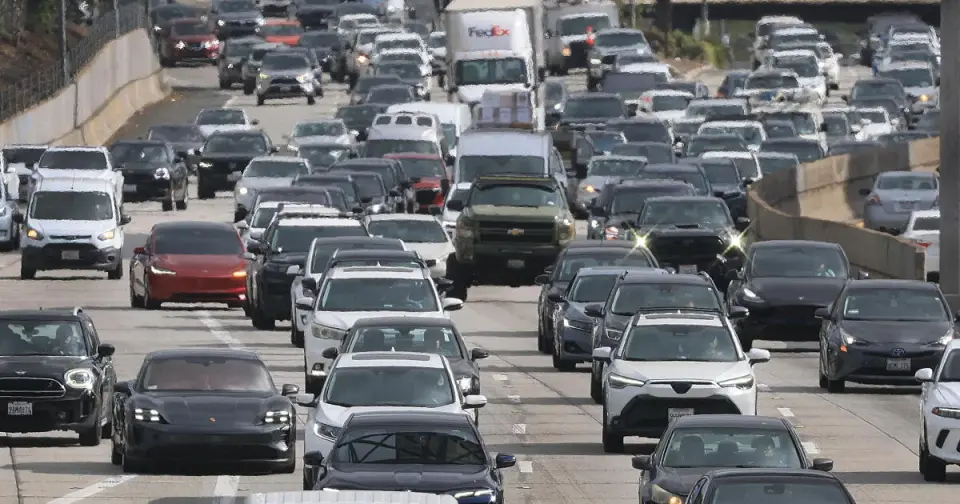
The Trump administration finalized new Corporate Average Fuel Economy (CAFE) standards, lowering the 2031 vehicle efficiency requirement to 34.9 miles per gallon, a sharp drop from the 50.4 mpg target set under the Biden administration. This move eliminates federal incentives for electric vehicles and is expected to increase gasoline consumption and pollution. California, which faces some of the nation's highest fuel costs, is preparing to challenge the rule in court, arguing it undermines state climate goals. While automakers like Stellantis welcome the relaxed standards, General Motors has signaled it will maintain long-term EV investments despite the regulatory shift.
Key points
- The new CAFE rule sets the 2031 fuel-efficiency standard at 34.9 mpg, down from 50.4 mpg under previous rules.
- California Attorney General Rob Bonta stated the state will sue to protect consumers and public health from higher fuel costs and pollution.
- GM President Mark Reuss confirmed the company will not alter its EV strategy based on short-term regulatory changes, despite taking $11 billion in EV-related charges.
- The administration claims the change will reduce oil consumption by 1.3 billion barrels by 2050, though experts argue it will increase emissions and consumer costs.
- California faces gasoline prices averaging $6.37 per gallon, complicating its efforts to meet climate targets amid federal rollbacks.
Background
This development follows a series of federal actions to weaken environmental regulations, including the rollback of Obama-era fuel standards and moves to revoke California's authority over tailpipe emissions. Earlier in 2026, the administration also moved to cancel offshore wind projects in California, prompting legal challenges from the state. These actions are part of a broader strategy to prioritize fossil fuel interests and reduce regulatory burdens on the auto industry, despite rising consumer fuel costs driven by global conflicts.
How outlets are covering it
The Los Angeles Times emphasizes the negative impact on consumers and the environment, noting that the rule enables larger, less efficient vehicles and increases pollution. It highlights California's legal resistance and the high cost of gasoline in the state. In contrast, Automotive News reports that General Motors is maintaining its long-term EV strategy, with President Mark Reuss stating that the company will not 'whipsaw' its investments based on regulatory shifts. Stellantis, cited by the LA Times, welcomed the change as more aligned with market realities, while environmental groups like the Natural Resources Defense Council criticized the move as ignoring the affordability crisis faced by drivers.
Why it matters
The rollback of federal fuel-efficiency standards directly impacts consumer costs, environmental goals, and the future of electric vehicle adoption in the U.S. It creates a legal and regulatory conflict between the federal government and states like California, which have stricter climate targets. The decision also signals a shift in federal policy away from clean energy, potentially affecting global competitiveness and long-term environmental outcomes.
What to watch
California and environmental groups are expected to file lawsuits challenging the new CAFE standards. Automakers will continue to navigate the regulatory landscape, with some maintaining EV investments and others focusing on traditional powertrains. The outcome of these legal challenges will determine the future of federal and state environmental policies in the U.S.
- Lower mileage standards, higher pump costs: What Trump’s auto move means for California Los Angeles Times
- Trump’s New Fuel Standards Put US Autos in Reverse Bloomberg.com
- GM won’t ‘whipsaw’ on EV strategy in response to shifts in gas prices, government policy, Mark Reuss says Automotive News
- Trump Administration Ends Tougher Fuel-Economy Rules WSJ
- US says GM tech costs to drop by $20 billion through 2031 due to new emissions rules Reuters
Want the full story? Read the original reporting
Read on Los Angeles Times