
UK Launches Consultation to Cut EV Targets Amid Wildfire Crisis and Oil Shock
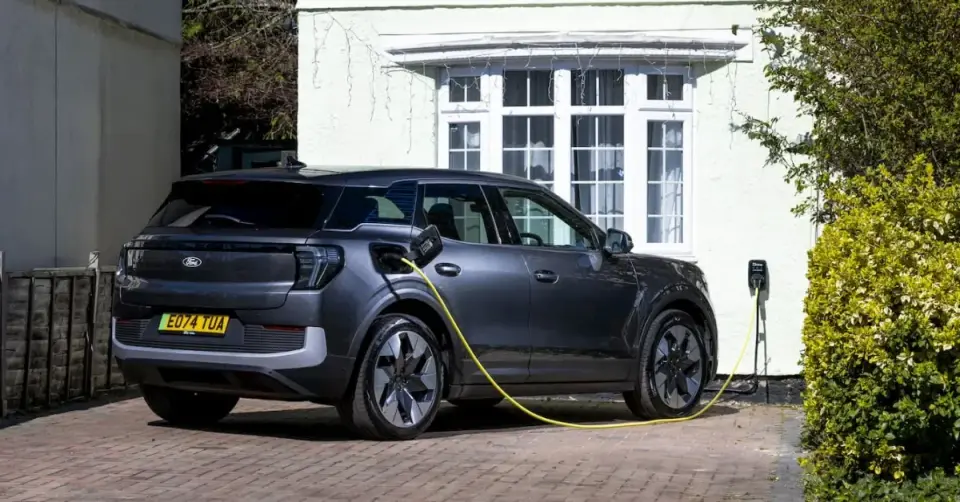
The UK government has launched a consultation to potentially reduce its electric vehicle (EV) sales target from 80% to as low as 50% by 2030. This move follows pressure from the automotive industry and coincides with record-breaking wildfires and heatwaves. While petrol prices have spiked due to the Iran conflict, making EVs more economically attractive, Prime Minister Andy Burnham is also considering new North Sea oil drilling, a decision criticized by environmental groups as contradictory to climate goals.
Key points
- The UK government launched a consultation on August 14, 2026, to review the Zero Emission Vehicle (ZEV) mandate, with options to lower the 2030 target from 80% to 50%, 60%, or 70%.
- Prime Minister Andy Burnham visited wildfire damage in the West Midlands, acknowledging climate change as the cause of the fires, while simultaneously defending a 'pragmatic' approach to North Sea oil and gas extraction.
- The consultation follows pressure from the Society of Motor Manufacturers and Traders (SMMT), which argues the current targets are too costly and force manufacturers to sell EVs at discounts, threatening jobs and factory closures.
- Despite the policy review, EV sales in the UK have surged, with plug-in vehicles accounting for nearly 40% of new car sales year-to-date in 2026, driven by high petrol prices and lower upfront costs for electric cars.
- Environmental groups and the Climate Change Committee warn that weakening the mandate could add millions of tonnes of CO2 to emissions and undermine the 2035 ban on new combustion-engine vehicles, which remains in place.
Background
The UK’s EV trajectory has been volatile, with targets shifting from 2040 to 2030 and back again under previous governments. Labour previously introduced 'flexibilities' allowing plug-in hybrids to count toward mandates. The current review is the second time Labour has watered down targets, following earlier adjustments. The broader context includes a global spike in oil prices due to the Iran conflict, which has increased the economic appeal of EVs, and a record-breaking summer in the UK with five heatwaves and widespread drought, exacerbating wildfire risks.
How outlets are covering it
Electrek argues that weakening targets is illogical given rising EV sales, high oil prices, and climate emergencies, noting that public support for EV adoption is strong. The Guardian highlights the contradiction of Burnham acknowledging climate change while proposing to cut EV targets and allow North Sea drilling, citing criticism from Greenpeace and the Energy and Climate Intelligence Unit. The BBC reports on the industry’s stance, with SMMT and Ford of Britain welcoming the review as necessary to ensure practicality and certainty for manufacturers, while noting that EVs already account for a quarter of sales. The Telegraph was inaccessible due to a security block, so its perspective could not be synthesized.
Why it matters
The outcome of this consultation will determine the pace of the UK’s transition to zero-emission vehicles, impacting carbon emissions, energy security, and the automotive industry’s investment landscape. A reduction in targets could delay the 2035 combustion-engine ban and increase reliance on fossil fuels, potentially exacerbating climate change and energy costs, while maintaining or strengthening targets could accelerate decarbonization and reduce oil dependency.
What to watch
The consultation will run until October 23, 2026. The government must decide whether to allow new drilling at the Rosebank and Jackdaw North Sea fields, with a consultation on Rosebank closing on Monday. The final decision on EV targets will likely follow the consultation, potentially affecting the 2035 ban and the viability of the 2030 80% target.
- As EV sales, oil costs and wildfires spike, UK gov’t considers.. fewer EVs? (update) Electrek
- Burnham criticised for EV and North Sea approach amid climate crisis The Guardian
- Electric vehicle sales targets could be cut after pressure from car makers BBC
- Labour looks to row back on net zero targets The Times
- Burnham to slash electric car targets The Telegraph
Want the full story? Read the original reporting
Read on Electrek