
Texas Activates Sweeping Legal Changes: Right-to-Repair, Solar Rules, and Gold Tender
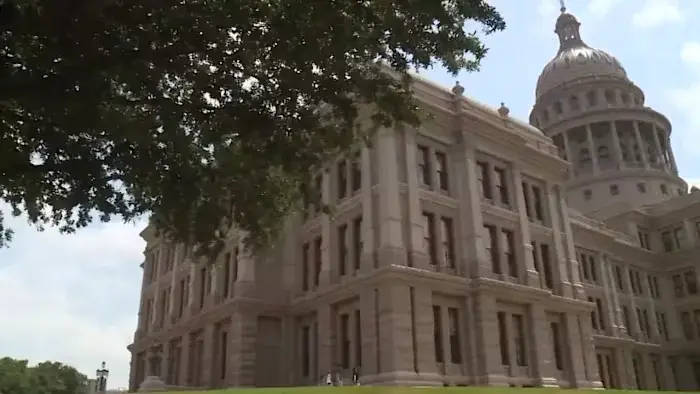
On September 1, 2026, a significant package of new Texas laws took effect, impacting consumer electronics, solar energy, education funding, and state courts. Key changes include a right-to-repair mandate for electronics, stricter regulations for solar sales, and the recognition of gold and silver as legal tender. Additionally, eleven other laws address school finance, special education, housing, and judicial capacity in fast-growing counties.
Key points
- H.B. 2963 mandates that manufacturers provide parts, tools, and repair information to consumers and independent shops for electronics with a wholesale price of at least $50, excluding cars, appliances, and gaming consoles.
- S.B. 1036 requires solar salespeople and retailers to register with the state and carry insurance, while granting consumers a five-day window to cancel solar contracts without penalty.
- H.B. 1056 begins a framework recognizing gold and silver as legal tender, though the broader bill’s full implementation is scheduled for May 2027.
- H.B. 2 and S.B. 568 advance phases of Texas’s school finance overhaul and special education funding model, shifting resources based on the level of support students require rather than just enrollment numbers.
- H.B. 16 creates new state district courts in Brazoria, Colorado, Lavaca, Comal, Harris, and Montgomery counties to address judicial capacity in rapidly growing areas.
Background
These legislative changes follow a period of intense scrutiny regarding consumer protection and educational equity in Texas. Previous discussions highlighted the need for stricter oversight in financial and health sectors, such as the rising costs of medical conditions and the prevalence of digital scams, which may have influenced the state’s push for greater transparency in solar contracts and electronic repairs. The new laws also reflect ongoing debates about the definition of legal tender and the adequacy of public infrastructure, including courts and schools, in response to population growth.
How outlets are covering it
KPRC and USA Today both confirm the September 1, 2026, effective date for the new laws but differ in their emphasis and specific details. KPRC highlights the right-to-repair law and solar protections as primary consumer impacts, noting that the gold and silver legal tender measure is part of a broader set of changes. USA Today provides more granular details, specifying that the right-to-repair law applies to electronics with a wholesale price of at least $50 and clarifies that the gold/silver legal tender framework is only partially active, with the full bill taking effect in May 2027. Both outlets agree on the 11 additional laws, including those affecting school finance, special education, and court creation, but USA Today explicitly names the bills (e.g., S.B. 1036 for solar) while KPRC groups them more generally. Neither outlet reports on any disagreement between the laws themselves, but USA Today’s breakdown offers a clearer timeline for the gold/silver provision.
Why it matters
These laws directly affect Texans’ daily lives by expanding consumer rights in electronics repair, increasing protections for solar buyers, and potentially altering the state’s monetary landscape. For schools, the new funding models could shift resources toward students with higher needs, while the creation of new courts aims to reduce backlogs in fast-growing counties. Businesses, particularly in the solar and electronics sectors, must now comply with new registration and disclosure requirements, which could impact costs and operations. The recognition of gold and silver as legal tender, though phased, signals a potential shift in how the state views currency, which could have long-term economic implications.
What to watch
The full implementation of the gold and silver legal tender framework is expected in May 2027. In the interim, the Texas Department of Licensing and Regulation will oversee the registration of solar salespeople and retailers. School districts will need to adjust their reporting and funding models to comply with the new special education and school finance laws. The new district courts in six counties will begin operations, potentially reducing case backlogs. Consumers should be aware of their new right-to-repair options and the five-day cancellation window for solar contracts. Businesses must ensure compliance with the new regulations to avoid penalties.
- New Texas laws taking effect today: What Houstonians need to know Click2Houston
- New Texas laws take effect Sept. 1. See rules on electronic repairs, gold USA Today
- New solar panel laws are 'a huge win,' consumer advocate says ABC13 Houston
- Major Texas laws that go into effect on September 1. What to know MySA
- New Texas solar protections law takes effect Click2Houston
Want the full story? Read the original reporting
Read on Click2Houston