Raspberry Pi firmware now locks RAM size and module changes, making upgrades and repairs harder; the move aims to prevent counterfeit RAM and maintain stability, but has drawn criticism over openness and user ownership, with older EEPROM-based workarounds existing at the cost of reliability.
New Texas laws taking effect today touch consumers, schools, and businesses: HB 2963 expands access to repair parts and info for consumers and independent shops (excluding cars, appliances, and gaming consoles); solar purchases gain protections including company registration, insurance, licensed contractors, and a 5-day cancellation window; funding for special education shifts to follow the level of student support with clearer reporting; gold and silver are recognized as legal tender under specified rules; other bills expand district courts, CPS oversight, solar cost-benefit analyses for rooftop solar outside ERCOT, and more, reflecting a broad state policy update.
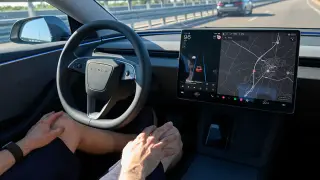
As cars become more software-driven with over-the-air updates, their longevity depends on hardware staying compatible with new software, raising questions about maintenance, feature availability, and resale value as support may wane and some vehicles gain ongoing updates while others do not.
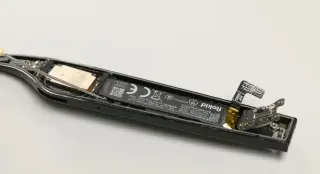
iFixit’s teardown of two Chinese smart glasses reveals a repair-friendly design: both feature an external clip-on battery and accessible internals, with Rokid’s model being particularly easy to service thanks to light glue and a user-friendly internal layout. The video also critiques glued-in batteries and notes EU right-to-repair exemptions, arguing wearables should have user-replaceable batteries to reduce e-waste.
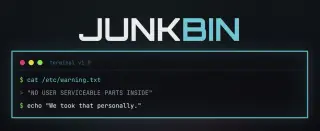
Hackaday spotlights Junkbin.io, Steve Cap’s community-driven catalog that documents salvageable electronic components found on discarded devices, helping hobbyists locate specific parts and reuse them, turning e-waste into a shared, repair-oriented resource.
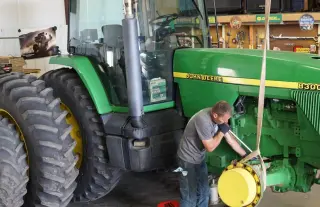
The FTC reached an antitrust settlement with John Deere that grants farmers enforceable, better-defined right-to-repair protections—including access to repair parts, tools, guides, and future resources, plus FTC oversight and the ability for farmers to sue Deere for repair-related harm. This is a major improvement over the Illinois class-action deal, which paid about $395 per farmer and relied on vague terms and weak enforcement, effectively curbing Deere’s monopoly without monetary damages for farmers.
Nintendo will stop selling the original Switch 1 in Europe starting mid-February 2027 due to the EU's Right to Repair rules requiring easy battery replacement; sales outside Europe remain unaffected. Nintendo says it will continue to sell Switch outside Europe and has announced new battery-replaceable designs for Switch 2 and its accessories to roll out through 2026 into early 2027. The company had previously raised prices on some older Switch models in the US last year.
Ford CEO Jim Farley frames safety as a reason to restrict who can repair modern, data-driven cars, reigniting the right-to-repair debate as Congress weighs the REPAIR Act within the Build America highway bill and considers vehicle data access; the issue, rooted in 2013 Massachusetts rules and a 2014 voluntary agreement, pits consumers and independent shops against OEMs over data hoarding and repair authority as cars age; The Drive plans further coverage and encourages readers to contact lawmakers and report gatekeeping cases.
The White House releases a memorandum directing the EPA to expand the 'freedom to fix' by clarifying permissible DIY and third‑party emission repairs, encouraging alternative certifications for aftermarket parts beyond CARB, and deprioritizing civil enforcement against individuals repairing their own vehicles, all aimed at lowering consumer vehicle costs while ensuring compliance with the Clean Air Act.
FactCheck.org debunks Trump’s assertion that someone was jailed for seven years for fixing his car. The pardon he cited concerned Troy Lake, who actually served seven months for violating the Clean Air Act by tampering with emissions monitoring on hundreds of trucks, not seven years, and the case is only tangential to the broader right-to-repair debate about consumers fixing their own vehicles and access to telematics data.
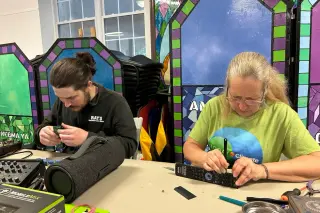
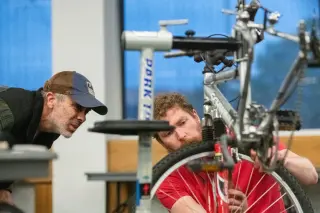
Repair Cafes and the broader right-to-repair movement are gaining momentum as communities opt to fix rather than replace broken goods. Volunteers in New Paltz, like Paula Weinstein and Bob Morton, illustrate repair’s social and educational value by reviving items such as a 1930s Hammond clock, while lawmakers push for laws and tool libraries to require manufacturers to share repair tools and instructions, promoting longer product lifespans and cheaper, DIY-enabled fixes.
Nintendo confirmed an EU-compliant Switch 2 variant with swappable batteries is in development for 2027 to meet the EU's right-to-repair rules (models with prefix 'BEE' and 'OSM' on packaging). These EU-only versions will be sold as regulatory products within the EU and likely won't release outside the region; the move comes as the EU battery rules take effect in 2027 and after Nintendo's May 2026 price increase to €500. The Switch 2, released in 2025, already offers a bigger screen and improved performance as part of Nintendo's ongoing hardware evolution.
Nintendo says it will release EU-specific Switch 2 versions with user-replaceable batteries to meet a new EU regulation taking effect February 18, 2027. The exact battery-change changes haven’t been detailed, and current Switch 2 battery removal is a multi-step process per iFixit; it’s unclear whether revised models will be available in other regions, and Nintendo did not comment.
Colorado’s Repair Cafés, like the Longmont event at TinkerMill, bring volunteers and community members together to fix a wide range of broken items, part of a broader right-to-repair movement aimed at reducing waste and pressuring manufacturers to share repair tools and instructions. The piece traces state laws expanding consumer repair rights from 2022–2024 and the current Senate Bill 90, which would carve exemptions for critical infrastructure tech, drawing support from industry groups while consumer advocates warn it could undermine repair rights. It also emphasizes the empowerment and cultural shift fostered by these volunteer repair days.
A broad right-to-repair movement is gaining bipartisan momentum across states and in Congress, arguing that consumers should be able to repair their own devices, cars, and appliances. Building on New York’s 2022 act, multiple states have enacted comprehensive laws and there are 57 right-to-repair bills across 22 states this year; federal efforts like the REPAIR Act and Fair Repair Act would extend access to repair data, while industry players differ—Deere and IBM show nuanced positions and NADA remains opposed to some provisions. Supporters say it lowers costs and expands choice; critics warn of safety, cybersecurity, IP concerns, and potential data collection.