
California Mandates Energy-Efficient Replacement Tires, Igniting Industry Pushback
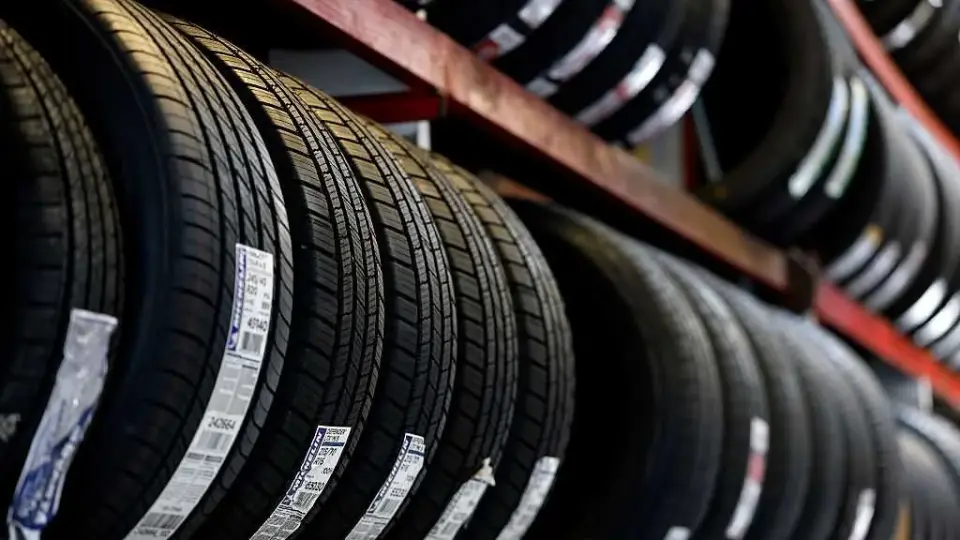
California regulators unanimously approved rules phasing out inefficient replacement tires to save consumers money and reduce emissions. The mandate, effective in 2029 and 2033, requires tires to meet specific rolling resistance standards. While the state projects savings of $79 to $153 per consumer, manufacturers like Goodyear argue the rules will eliminate 70% of current market options and significantly increase costs.
Key points
- The California Energy Commission voted unanimously to adopt new rules restricting the sale of replacement tires that fail to meet energy efficiency standards.
- Phase 1 begins in 2029, limiting rolling resistance to 9.1 N/kN; Phase 2 starts in 2033, lowering the limit to 7.2 N/kN.
- The commission claims these rules will save Californians $79 in four months under Phase 1 and $153 in seven months under Phase 2.
- Manufacturers, including Goodyear, Bridgestone, and Michelin, oppose the rules, citing potential price hikes of hundreds of dollars and the elimination of 70% of current tire options by 2033.
- Exclusions apply to competition, winter, used, retreaded, and off-road tires, as well as motorcycle and emergency vehicle tires.
Background
This regulation stems from AB 844, a 2003 law directing the energy commission to explore tire efficiency. The delay in action was attributed by commissioners to a lack of prior cost pressures. This move follows recent federal efforts to limit California's regulatory influence on vehicle emissions, as seen in Senate Republicans' attempts to nullify EPA waivers for California's stricter standards.
How outlets are covering it
The California Energy Commission and environmental advocates frame the rules as a consumer protection measure that lowers long-term fuel costs and improves air quality. In contrast, tire manufacturers argue the rules will drastically reduce market availability and increase costs, with Goodyear warning that price hikes could reach hundreds of dollars per tire. Bridgestone and Michelin expressed concerns about uneven enforcement and competitive disadvantages for larger manufacturers. The commission plans to use a test lab to verify manufacturer data and check with retailers to ensure compliance.
Why it matters
This is the first state-level regulation of replacement tire efficiency, setting a precedent for environmental and consumer protection standards. It directly impacts consumer choice and costs, potentially reshaping the tire market and influencing future federal and state environmental policies.
What to watch
The commission will continue dialogue with the industry as the rules take effect. Phase 1 begins in 2029, and Phase 2 in 2033. Manufacturers may challenge the rules legally or technically, while the commission will monitor compliance through testing and retailer checks.
- California regulators approve new rules limiting what replacement tires you can buy for your car KCRA
- California’s new tire efficiency rules could save drivers $1B a year grist.org
- ACTION NEEDED: Industry Urged to Speak Out as California Tire Rules Near Final Stage Specialty Equipment Market Association (SEMA)
Want the full story? Read the original reporting
Read on KCRA