
Midterm Results Could Reshape AI Regulation and Fiscal Policy
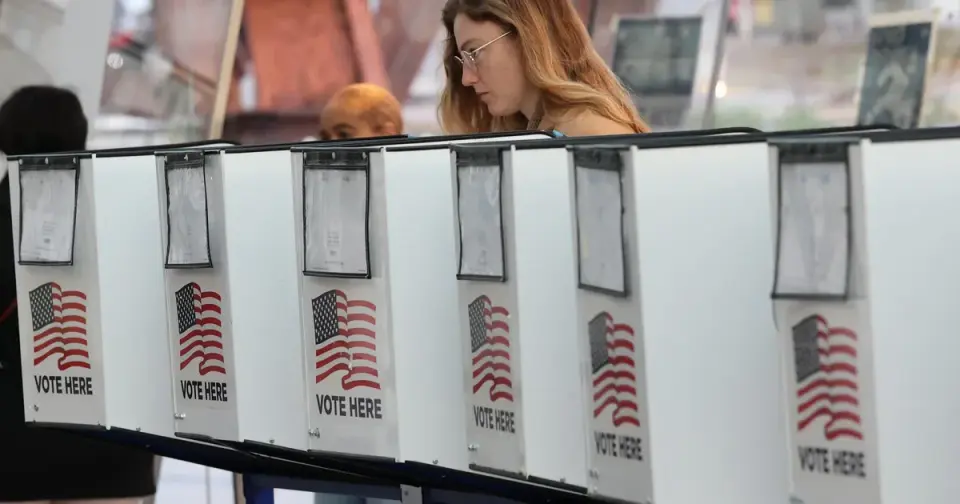
US midterm elections on November 3, 2026, will determine congressional control amid high inflation and $40 trillion national debt. Historical data suggests the S&P 500 typically rises 15% in the six months following midterms, though a Democratic sweep could trigger short-term volatility due to fears of increased AI oversight and fiscal gridlock.
Key points
- Prediction markets assign a 76% probability to a Democratic sweep of both the House and Senate, with polls suggesting a House win is more certain than a Senate takeover.
- Historical data from Edward Jones shows the S&P 500 averaged a 1.7% gain in the month after midterms and 15.5% over six months since 1970.
- A Democratic victory could lead to stricter oversight of AI data centers and independent agencies like the SEC and FDIC, potentially pressuring tech stocks.
- Fiscal concerns include a potential debt ceiling standoff in 2027 and rising Treasury yields, which could weigh on equity valuations if gridlock persists.
- The S&P 500 has already gained approximately 27% since the start of President Trump’s second term, driven by AI spending and strong earnings.
Background
Recent market volatility has been driven by AI sector turbulence and geopolitical tensions, including an Iran conflict that spiked energy prices. Prior to the midterms, analysts highlighted AI infrastructure companies like Oracle and Micron as long-term growth plays, despite recent semiconductor sector fluctuations. The current political landscape follows a period of Republican majorities in both chambers, which facilitated deregulation and fiscal expansion.
How outlets are covering it
CBS News emphasizes that political gridlock often benefits markets by limiting sweeping legislative changes, creating a predictable environment for corporate investment. However, it notes that gridlock could fuel debt ceiling standoffs. Fox Business highlights the risk of increased AI oversight under a Democratic Congress, which could counteract the current AI-driven market rally. Yahoo Finance points out that while short-term volatility is possible, the long-term historical trend for post-midterm rallies remains strong, regardless of the specific congressional outcome. CNBC notes that investors are not yet pricing in a Democratic sweep, suggesting a potential short-term sell-off if Democrats win, but also warns that the S&P 500’s strong year-to-date performance may make it vulnerable to a correction, contrary to historical patterns.
Why it matters
The outcome of the midterms will directly influence the regulatory environment for artificial intelligence, the trajectory of US fiscal policy, and the stability of equity markets. A shift in congressional control could alter the balance between deregulation and oversight, impacting sectors from tech to healthcare and defense, while also determining the approach to the national debt and energy policy.
What to watch
Investors will monitor the immediate market reaction to the election results, particularly in AI and defense sectors. In the coming months, attention will turn to potential fiscal standoffs over the debt ceiling in 2027 and any legislative moves regarding AI regulation and healthcare subsidies. The long-term market trend will depend on whether the new Congress can maintain fiscal stability or if gridlock leads to increased borrowing and higher interest rates.
- How Wall Street analysts think the midterms could affect the stock market CBS News
- What the midterm elections could mean for markets, debt Fox Business
- What a Democratic sweep could mean for stocks — and why history says not much Yahoo Finance
- Midterm election results 2026: Who’s winning and what’s at stake for stocks and the economy MarketWatch
- Midterm elections could jolt stocks if Democrats sweep Congress CNBC
Want the full story? Read the original reporting
Read on CBS News