politics-and-markets2 min read
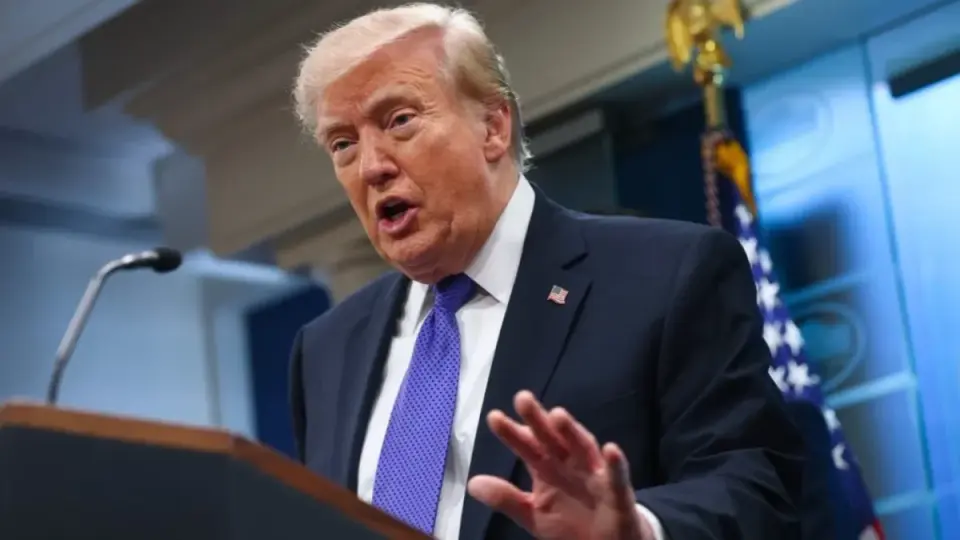
Trump Blames Democrats for $6 Trillion Market Crash as Iran Tensions Escalate
4 days ago•Source: Yahoo Finance
View original source
The latest politics and markets stories, each synthesized from multiple sources with added background and context.
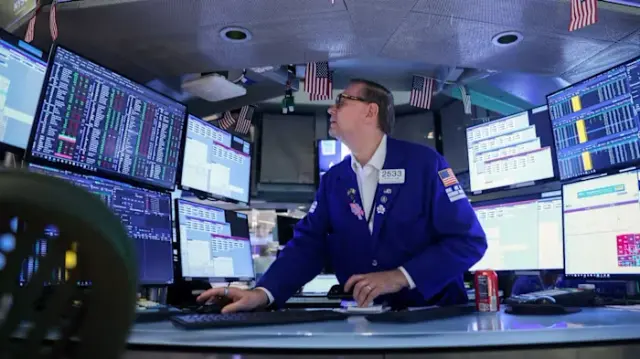
Democrats won a sweeping midterm victory, prompting a sharp rise in US stock markets as investors welcomed the prospect of a divided government. While billionaires like Richard Branson and Reid Hoffman criticized massive political spending, others warned that new Democratic controls could hinder the AI boom by restricting data center construction. Market analysts suggest that while broad economic policies remain constrained by President Trump's veto power, sectors like healthcare and housing may face significant regulatory shifts.

Fox Business•21 days ago
US stocks surged to their best post-midterm performance since 1982 after Democrats seized control of both House and Senate. The rally was driven by falling oil prices and reduced volatility, as markets priced in a divided government that may curb extreme policy. Conversely, AI infrastructure and Elon Musk’s companies faced selling pressure due to new political risks in Texas and data center restrictions.

Gina Hinojosa’s election as the first Democratic governor of Texas in over three decades has triggered a sell-off in AI infrastructure stocks, driven by fears that her proposed moratorium on new data centers will slow the industry’s expansion. While hyperscaler shares dipped, some analysts argue the market has already priced in these regulatory risks.
US midterm elections on November 3, 2026, will determine congressional control amid high inflation and $40 trillion national debt. Historical data suggests the S&P 500 typically rises 15% in the six months following midterms, though a Democratic sweep could trigger short-term volatility due to fears of increased AI oversight and fiscal gridlock.
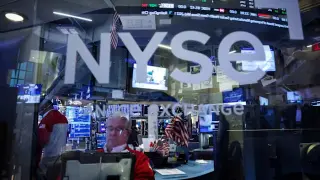
US midterm elections are viewed as a critical referendum on President Trump’s policies, with results expected to significantly impact AI infrastructure spending, government regulation, and market stability. Investors are bracing for a potential Democratic 'blue wave' that could stall data center projects and increase regulatory scrutiny, while a Republican hold might trigger a short-term relief rally. The outcome will also influence defense spending, healthcare subsidies, and potential military escalation in Iran.
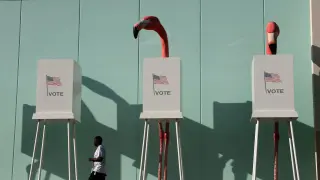
Wall Street anticipates a Democratic victory in the House and a potential Senate win in the upcoming midterms, driven by low presidential approval ratings. Analysts expect this shift to create legislative gridlock, blocking major spending bills but potentially easing concerns over Federal Reserve independence. The primary market risk now centers on a potential debt ceiling standoff, with the U.S. approaching its cash limit by mid-2027.

President Trump’s August financial disclosure reveals 517 trades totaling up to $273.3 million, including a $25 million purchase in Meta and a $5 million investment in SpaceX bonds. The SpaceX buy occurred two days before a major space policy announcement, while AI-related trades suggest a shift from infrastructure to monetization. The White House maintains the portfolio is independently managed, but critics cite potential conflicts of interest.
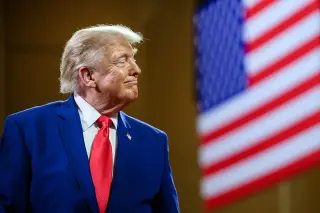
With 25 days until the November 3 midterms, prediction markets assign a 93% probability that Democrats will retake at least one chamber of Congress. While historical data suggests this 'divided government' scenario yields lower average annual stock returns (7.33%) compared to unified control, experts caution that long-term market performance is driven by corporate earnings and economic fundamentals rather than political alignment.