
Tech Meltdowns and AI Fears Drive Mainstream Surge in Emergency Preparedness
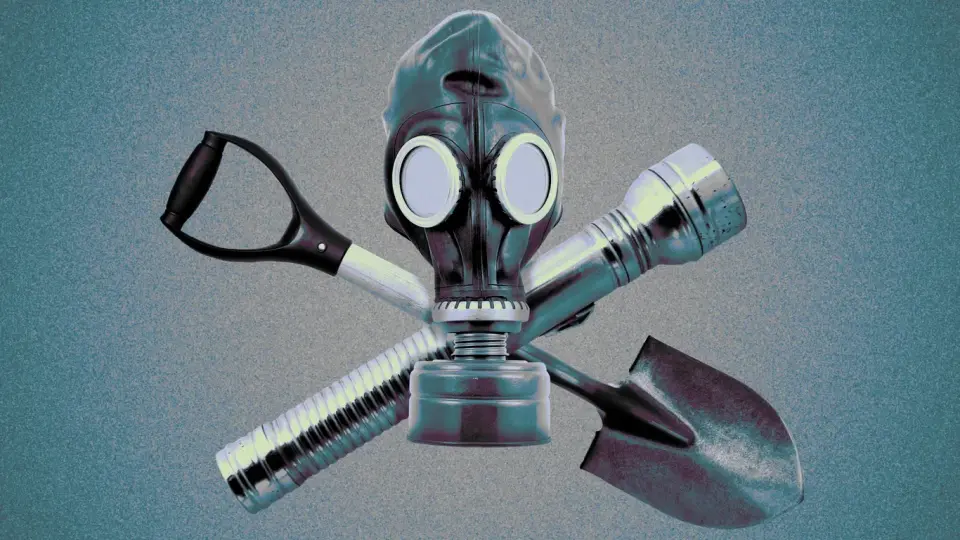
Recent digital disruptions and AI-related anxieties have normalized emergency preparedness, driving massive sales spikes for survival gear and shifting public discourse from niche survivalism to mainstream resilience.
Key points
- Survival retailer Survival Frog reported a 450% sales jump between late October and mid-November, with most buyers being new customers.
- Demand is led by non-perishable food, followed by radios, solar generators, and water filters, with Costco seeing surges in rice and canned goods.
- Vice President JD Vance dismissed fears of imminent crisis on Fox News, stating he does not see a crisis coming, while prepper influencers like 'Queen of Doomsday' argued preparation is necessary regardless of government assurances.
- The UK and EU have launched preparedness campaigns urging households to stock three days of supplies, while the Pentagon reportedly plans for military bases to operate for 90 days if civilian systems fail.
- Online influencers are promoting 'digital prepping,' including Faraday bags and offline map downloads, alongside traditional physical supplies, reflecting fears of AI-driven cyberattacks and grid vulnerabilities.
Background
This trend follows a period of widespread tech outages and flight cancellations that sparked public anxiety about infrastructure stability. Earlier coverage noted that these disruptions triggered conspiracy theories about coordinated cyberattacks and prompted media features on basic survival skills. The current surge builds on previous supply chain disruptions experienced during the pandemic, which taught many consumers the value of stockpiling essentials. Additionally, the broader economic landscape includes shifts in energy policy and AI data center demand, which may indirectly influence perceptions of grid reliability and resource scarcity.
How outlets are covering it
Axios emphasizes the commercial boom and mainstream adoption, citing specific sales data and government preparedness plans. The New York Times highlights the cultural shift toward 'digital prepping' and community resilience, noting a move away from lone-wolf survivalism toward collective preparedness, while also detailing the role of AI fears and anti-tech sentiment. Business Insider provides a personal account of panic buying driven by 'COVID trauma,' illustrating how individual anxiety translates into immediate consumer action, even if the purchases are not strictly necessary for long-term survival. Allure frames the trend through a marketing lens, arguing that the preparedness industry is adopting the aspirational, anxiety-driven tactics of the beauty industry, targeting millennial mothers and leveraging social media algorithms to sell safety as a lifestyle product. While Axios and NYT focus on the practical and political aspects, Allure critiques the commercialization of fear, and Business Insider grounds the trend in individual psychological responses to past crises.
Why it matters
The normalization of prepping signals a shift in public trust regarding institutional resilience and technological stability. As consumers stockpile goods, it may strain supply chains and alter retail dynamics, while the rise of 'digital prepping' could influence how people interact with technology in the long term. The divergence between official reassurances and public anxiety highlights a growing gap in risk perception, which could impact future policy responses to infrastructure vulnerabilities and cybersecurity threats.
What to watch
Monitor retail sales data for sustained demand in emergency supplies and observe whether government preparedness campaigns expand. Watch for further tech outages or AI-related incidents that could reignite public anxiety. Track the evolution of 'digital prepping' tools and the marketing strategies used by preparedness brands, as well as any legislative or policy responses to infrastructure vulnerabilities.
- Doomsday prepping goes mainstream Axios
- They’re Prepping for a World Where the Internet Doesn’t Work The New York Times
- I'm not a prepper, but I bought $1,200 in emergency supplies. Even if nothing happens, I know they'll be useful. Business Insider
- Is Doomsday Prep Adopting a Beauty Industry Playbook? Allure
- Prepping has gone mainstream. Is your media plan ready? Mediaweek
Want the full story? Read the original reporting
Read on Axios