
Trump defends Lutnick as GOP demands testimony over stalled chip controls
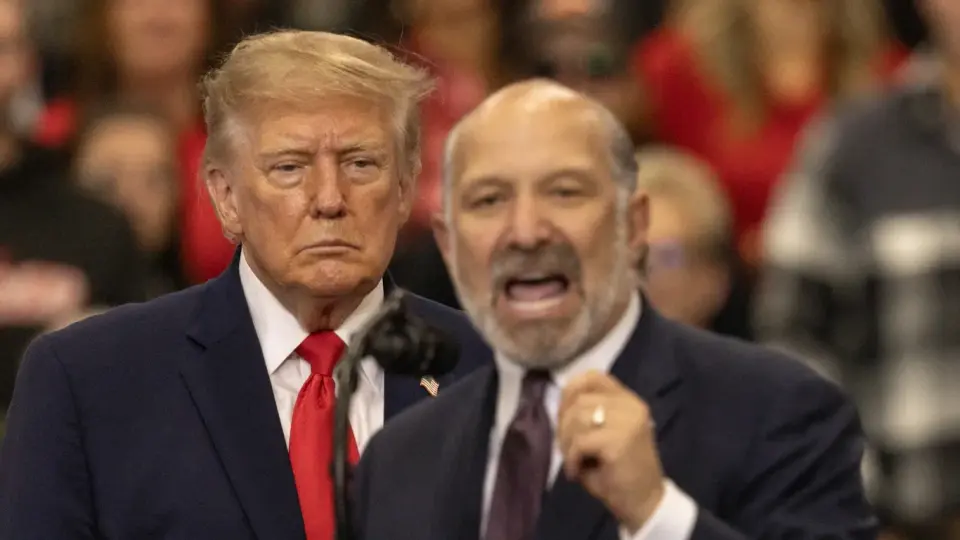
President Trump maintains full confidence in Commerce Secretary Howard Lutnick despite mounting evidence that the official delayed action on suspected Chinese chip smuggling. While the White House defends Lutnick as a champion of trade policy, Republicans and Democrats are demanding congressional testimony over his refusal to add Megaspeed to the entity list. Internal administration tensions, including a confrontation with Treasury Secretary Scott Bessent, have intensified scrutiny of whether national security concerns were subordinated to trade interests.
Key points
- The White House issued a statement affirming complete confidence in Lutnick, citing his role in securing nearly 20 trade deals and trillions in manufacturing investments.
- Sen. John Kennedy (R-La.) and Sen. Elizabeth Warren (D-Mass.) both called for Lutnick to explain why he allowed advanced chip sales to proceed without closing export loopholes.
- Treasury Secretary Scott Bessent confronted Lutnick in the Situation Room last week regarding the refusal to label Megaspeed a national security threat, but Lutnick did not commit to immediate action.
- Jensen Huang resigned as Nvidia CEO following reports of a second affair, but congressional leaders stated this does not absolve the company or executives of potential legal or security violations.
- The Commerce Department has not added any company to the entity list in over a year, a decision that risks inflaming tensions with China amid ongoing trade negotiations.
Background
This controversy follows earlier reports that Lutnick received a classified memo from Secretary of State Marco Rubio warning about Jensen Huang’s relationship with Alice Huang, a Megaspeed executive suspected of being a Chinese spy. Previous coverage indicated that Trump authorized chip curbs three times this year, but Lutnick stalled implementation, citing risks of a trade war. Megaspeed, a Singapore-based firm formerly known as 7Road International, has purchased over $4 billion in Nvidia chips and has denied wrongdoing, calling allegations of espionage groundless.
How outlets are covering it
Axios emphasizes the White House’s unwavering support for Lutnick, framing the situation as a test of loyalty to the administration’s trade agenda. Politico highlights the shift within the Republican Party, noting that more than half a dozen GOP members are now demanding answers, potentially setting up Lutnick as a scapegoat for the scandal. CNN focuses on the internal administrative conflict, detailing a direct confrontation between Bessent and Lutnick in the Situation Room, which illustrates the tension between national security concerns and trade policy priorities. While all sources agree on the lack of action, they differ on the primary driver: Axios points to political loyalty, Politico to partisan accountability, and CNN to bureaucratic friction.
Why it matters
The standoff signals a potential fracture in the Trump administration’s approach to technology export controls. If Lutnick is forced to testify or is removed, it could disrupt the administration’s trade strategy and signal a shift toward stricter enforcement against Chinese entities. Conversely, continued support for Lutnick may prioritize trade deals over security concerns, risking further diplomatic friction with China and potential legal challenges from Congress.
What to watch
Congressional leaders, including House Foreign Affairs Chair Brian Mast and Intelligence Committee Chair Rick Crawford, plan to probe Huang and Nvidia regardless of his resignation. Lawmakers are expected to press Lutnick for testimony in the coming weeks, potentially leading to a formal investigation into the Commerce Department’s handling of the Megaspeed case. The outcome will depend on whether the White House continues to shield Lutnick or yields to pressure for accountability.
- Trump sticks by Commerce Secretary Lutnick despite Nvidia inaction Axios
- Singapore Says US Not Helpful on Investigation Into Alice Huang and Megaspeed The New York Times
- ‘Answer in front of God and country’: GOP turns on Lutnick over chips Politico
- Bessent confronts Lutnick over not labeling Nvidia customer a national security threat, sources say CNN
- Singapore Says Alice Huang Has Been Barred from Returning to the Country WSJ
Want the full story? Read the original reporting
Read on Axios