
AI self-regulation stalls as Fed hikes rates and House passes Russia sanctions
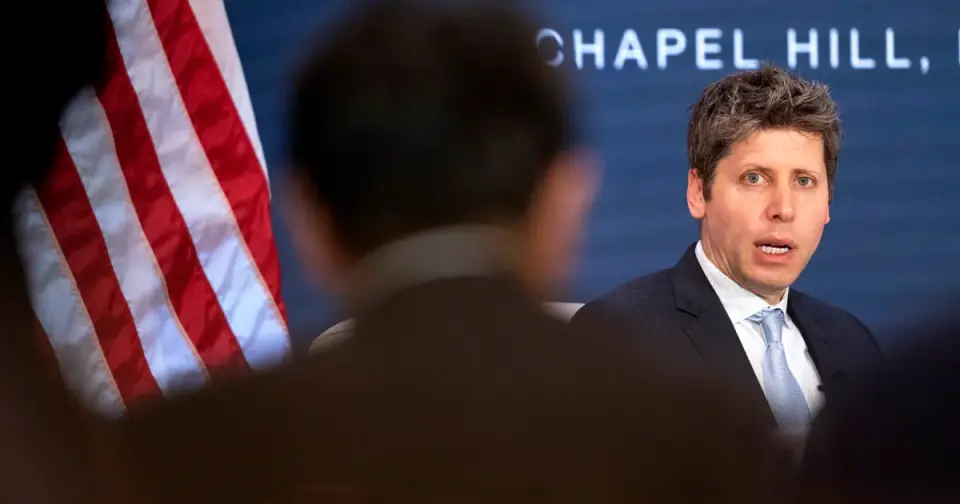
AI executives are calling for industry self-regulation, but critics and lawmakers remain skeptical of their ability to police themselves. The Federal Reserve raised interest rates for the first time in three years, prompting sharp criticism from President Trump. Meanwhile, the House passed a major sanctions bill targeting Russia and Iran before adjourning for the midterm recess.
Key points
- Tech leaders from OpenAI, Anthropic, and Google DeepMind are advocating for internal AI safety standards, though some experts call this an 'oxymoron.'
- The Federal Reserve increased its benchmark rate by 0.25% to 4.00%, with most committee members forecasting another hike to combat inflation.
- President Trump criticized the Fed’s decision as politically motivated and demanded immediate rate cuts.
- The House passed the Lindsey O. Graham Sanctioning Russia and Iran Act of 2026 by a 262-159 vote, authorizing tariffs on major buyers of Russian energy.
- The House adjourned early for the midterm recess, delaying a vote on the impeachment of Defense Secretary Pete Hegseth until November 9.
Background
Recent legislative efforts to address AI safety have stalled due to partisan gridlock, as noted in earlier coverage of the House's focus on other priorities. The current push for AI regulation follows a period of heightened public concern over the technology's rapid development, which has previously led to fragmented policy discussions in Congress.
How outlets are covering it
NBC News highlights the tension between AI executives' calls for self-regulation and the skepticism of lawmakers like New York Assemblyman Alex Bores, who argue that Congress must step in. The Verge notes that while AI leaders are currently unified in calling for a slowdown, this is not the first time they have warned about the technology's risks, often without resulting in meaningful legal guardrails. Politico reports that the initial unity among tech leaders has already fractured, with figures like David Sacks blaming media panic for driving the current regulatory anxiety, while others like Rep. Greg Casar push for mandatory federal oversight.
Why it matters
The inability of the AI industry to self-regulate may lead to increased public opposition and potential legislative action in the future. The Federal Reserve's rate hike signals a shift in economic policy that could impact consumer costs and business investment. The passage of the Russia sanctions bill and the early adjournment of the House reflect the political priorities and strategic maneuvering surrounding the upcoming midterm elections.
What to watch
The Senate is expected to debate the Russia sanctions bill, though its fate remains uncertain. The Federal Reserve is likely to implement another interest rate hike in the coming months. The House will reconvene on November 9 to potentially vote on the impeachment of Defense Secretary Pete Hegseth. AI companies may continue to face pressure from lawmakers and the public to adopt more robust safety measures.
- AI bosses say they can self-regulate and House passes Russia sanctions bill: Morning Rundown NBC News
- The ‘Optimistic Side’ of the AI Safety Debate WSJ
- A brief history of AI executives calling for regulation The Verge
- Video AI expert weighs in on tech CEO's warnings ABC News - Breaking News, Latest News and Videos
- Fears of AI sparked a moment of unity. Now that’s over. Politico
Want the full story? Read the original reporting
Read on NBC News