
Midterm Voters Reject Tech Oligarchy, Triggering Congressional Crackdown on Silicon Valley
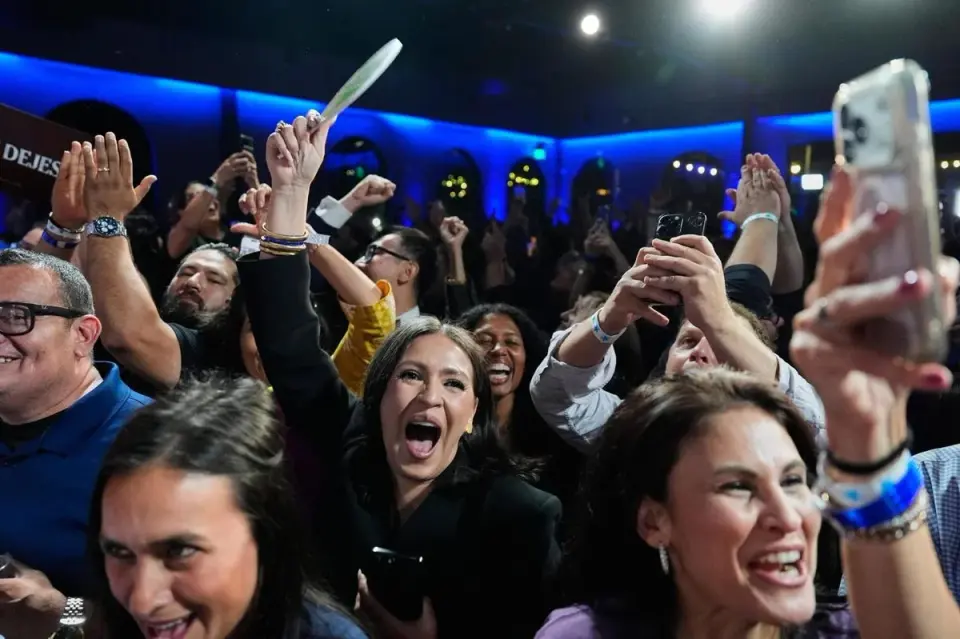
US voters in the 2026 midterms decisively rejected the political influence of tech billionaires, electing a Democratic Congress and multiple governors who pledge to investigate Silicon Valley and halt AI data center construction. The election marked a sharp reversal from the pro-tech stance of the Trump administration, with voters expressing anger over wealth inequality, corruption, and the integration of AI into government systems. Key figures like Elon Musk and Mark Zuckerberg face potential congressional inquiries, while OpenAI’s Sam Altman pivoted to support human-first regulation. The results signal a shift toward stricter oversight of AI infrastructure and a rejection of the 'tech oligarchy' model that dominated the previous two years.
Key points
- Democrats gained decisive control of the US Congress and won governorships in traditionally red states like Texas, Ohio, and Georgia, driven by voter anger over tech billionaire influence.
- Elon Musk, who donated $450 million to Republican candidates, saw his political allies lose decisively; Democrats now plan to investigate his role in the 'Department of Government Efficiency' and his AI company xAI.
- Newly elected Democratic governors in Texas, Ohio, and Georgia have pledged to impose moratoriums on the construction of hyperscale AI data centers, which voters oppose due to noise, resource use, and environmental concerns.
- Sam Altman of OpenAI issued a statement supporting human-first AI regulation, distancing himself from the Trump administration’s 'superintelligence' narrative, while Mark Zuckerberg faces scrutiny for his political pivot and DEI program cuts.
- The election results triggered a sell-off in AI-linked stocks, with analysts warning that state-level moratoriums may delay US AI projects and potentially benefit China in the global technology race.
Background
This election follows a period of intense corporate-political alignment, including a September 2026 state dinner between Trump and Xi Jinping attended by major tech CEOs, which critics viewed as a display of corporate influence over foreign policy. Earlier surveys in October 2026 showed 75% of likely voters in battleground states were less likely to support candidates accepting AI Super PAC donations, reflecting growing backlash against tech-funded politics and economic anxiety over the AI bubble.
How outlets are covering it
404 Media frames the election as a broad rejection of 'kleptocracy' and the 'cruelty, corruption, and depravity economy' enabled by tech oligarchs, emphasizing the moral failure of allowing AI to automate away human endeavors and centralize power. The Guardian focuses on the strategic and political consequences, highlighting how tech billionaires' 'unhedged bet' on the right has backfired, leading to a Democratic Congress hell-bent on holding them accountable. While 404 Media emphasizes the ethical and societal harms of AI, The Guardian stresses the tangible political and regulatory repercussions, such as data center moratoriums and congressional investigations, noting that tech leaders now face a hostile political environment that may force them to rehabilitate their public images or face severe penalties.
Why it matters
The 2026 midterms mark a pivotal shift in US tech policy, moving from a period of deregulation and corporate capture to one of potential strict oversight and public accountability. The Democratic control of Congress and key governorships signals that AI development and infrastructure expansion may face significant legal and regulatory hurdles, potentially reshaping the global AI race and altering the relationship between technology corporations and the state. This could impact everything from data center construction to AI integration in government systems, with long-term implications for innovation, employment, and public trust in technology.
What to watch
Expect the new Democratic Congress to launch formal investigations into major tech companies, including Elon Musk’s xAI and Mark Zuckerberg’s Meta, focusing on their political donations, AI ethics, and government contracts. State-level moratoriums on data centers in Texas, Ohio, and Georgia may delay or halt major AI infrastructure projects, potentially increasing costs and slowing US AI development. Tech leaders like Sam Altman may continue to pivot toward pro-regulation stances to mitigate public backlash, while others may face legal or political consequences for their close ties to the Trump administration. The outcome of these investigations and the enforcement of data center moratoriums will determine the pace and direction of AI expansion in the US over the next two years.
- ‘There Is One Fight’: American Voters Reject Tech Oligarchy 404 Media
- Tech barons cozied up to Trump. What will they do in newly blue America? The Guardian
- AI Billionaires’ Political Spending Report Cards: Big Winners, A Few Losers Forbes
- The American dream is turning into a Silicon Valley nightmare The Times
- Big Tech goes down with GOP Politico
Want the full story? Read the original reporting
Read on 404 Media