
Asia-Pacific Seeks Relief from Trump’s Tariffs and Iran War, but Experts Doubt Congressional Impact
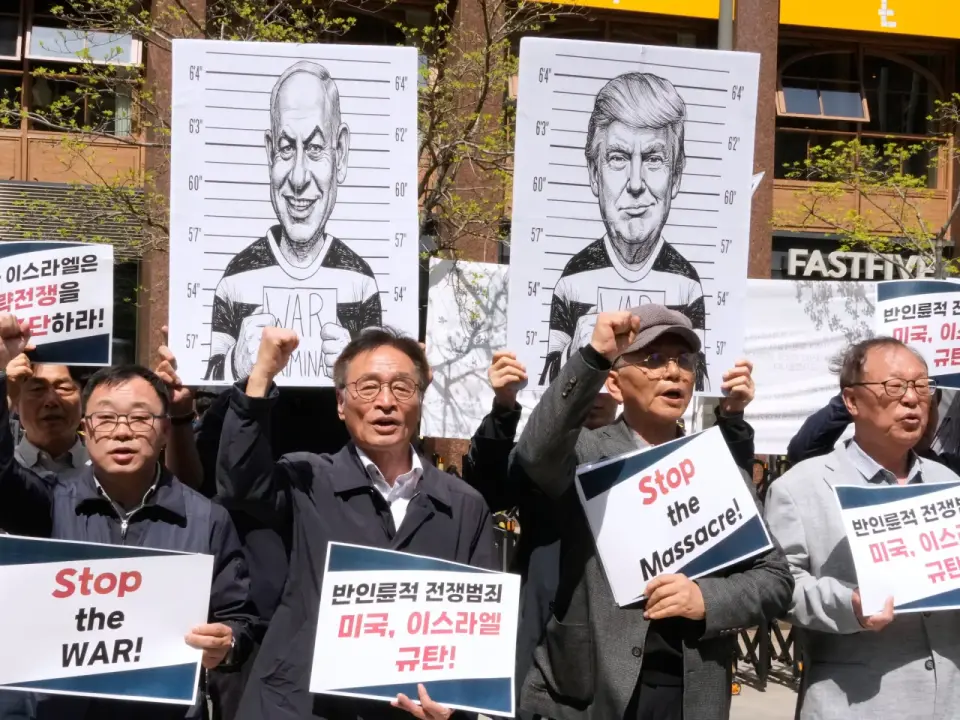
Asian nations face severe economic strain from US tariffs and the Iran conflict, yet analysts doubt the 2026 midterms will alter these policies. While a Democratic Congress may pass stricter tech controls on China, trade and military restrictions remain largely out of congressional reach due to presidential vetoes.
Key points
- The Asia-Pacific region suffers disproportionately from the US-Iran war, with the Philippines declaring a national energy emergency and Southeast Asian economies draining reserves to subsidize fuel.
- Trump’s reciprocal tariffs, ranging from 10% to 50%, have heavily impacted Asian exporters, with Cambodia and Laos facing rates near 50%, though the Supreme Court struck down these measures in February.
- Analysts argue a Democratic-controlled Congress cannot force an end to the Iran conflict or reverse trade policies, as Trump can veto legislation and Democrats lack the two-thirds majority to override.
- However, both parties agree on tightening technology restrictions against China, including the Chip Security Act and MATCH Act, regardless of midterm outcomes.
- Some experts suggest a strong Democratic showing could embolden pro-free-trade Republicans or lead to minor tariff carve-outs, but deeper policy shifts are unlikely until 2028.
Background
Recent domestic coverage highlights how Trump’s inflation and tariff policies have fueled voter anger in US swing states like Michigan and Maine, with former President Obama framing the midterms as a 'circuit breaker' against the administration. This domestic unrest mirrors the external pressure Asian nations feel, as they seek stability in US foreign policy amid ongoing trade disputes and security concerns in the South China Sea and Taiwan Strait.
How outlets are covering it
Al Jazeera emphasizes the limited power of a Democratic Congress to alter Trump’s core policies, noting that while oversight hearings may occur, the war and tariffs will likely continue. In contrast, the Seoul Economic Daily focuses on market volatility, showing that KOSPI often rallies briefly after midterms but suffers December declines due to seasonal tax selling and geopolitical risks. While Al Jazeera highlights the geopolitical impasse, the Korean outlet warns against premature optimism in financial markets, noting that foreign investors remain cautious despite the political uncertainty clearing.
Why it matters
The outcome of the 2026 midterms will determine whether the US Congress can impose any checks on Trump’s foreign and trade policies. For the Asia-Pacific, this means continued exposure to energy shocks and high tariffs, with little immediate relief expected. However, bipartisan agreement on restricting advanced technology exports to China ensures that technological decoupling will accelerate regardless of the election results, potentially reshaping global supply chains and security dynamics in the region.
What to watch
Markets will watch for a potential 'December selloff' in Asian indices following any post-midterm rally, as historical data suggests November gains often reverse. Policymakers in Southeast Asia may push for minor tariff exceptions if Democrats gain control, while Washington will likely proceed with new legislation to restrict AI chip access to China. Investors should monitor Big Tech earnings and foreign capital flows, as geopolitical risks remain elevated despite the resolution of US domestic political uncertainty.
- War, tariffs and China: What the US midterms mean for the Asia-Pacific Al Jazeera
- Leaders Across Asia Mull a Wounded Trump After Midterms Bloomberg
- Why a midterm mauling for Trump will not bring Asia trade relief South China Morning Post
- Korea Investment & Securities sets November S&P 500 forecast at 7,360-8,040… midterms and tech stock adjustments remain key variables 재경일보
- Year-End Rally After U.S. Midterms? KOSPI Fell in 6 of 11 Cases Seoul Economic Daily
Want the full story? Read the original reporting
Read on Al Jazeera