
Barr and Sabet Oppose Cannabis Rescheduling Amid DEA Hearings and D.C. Circuit Legal Challenges
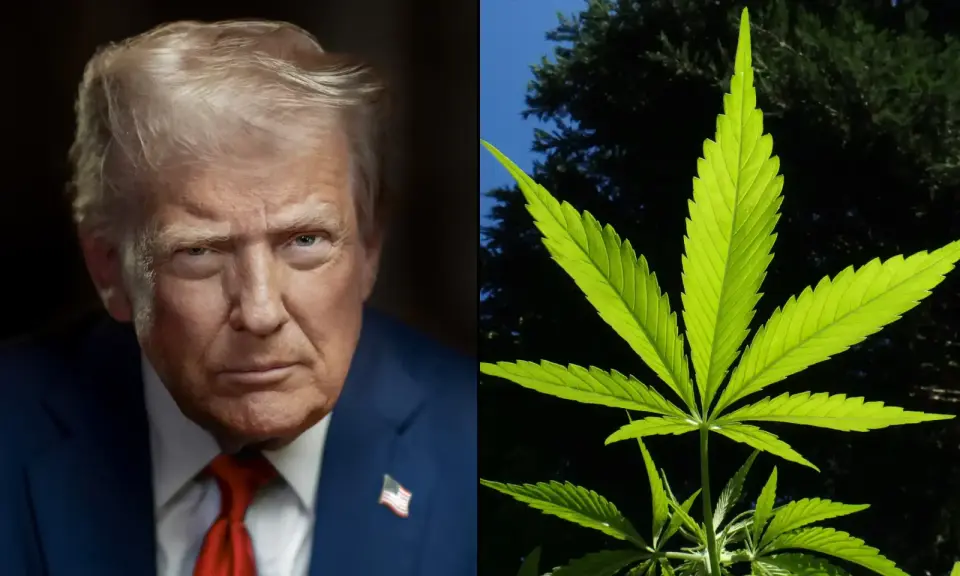
Former Attorney General William Barr and Kevin Sabet of Smart Approaches to Marijuana argue in a Washington Post op-ed that cannabis lacks medical value and poses severe health risks, opposing its federal rescheduling. This stance contrasts with the Trump administration’s April 2026 order moving state-licensed medical cannabis to Schedule III. Concurrently, the DEA concluded administrative hearings on broader rescheduling, while the D.C. Circuit prepares to rule on whether the executive branch followed proper procedures for the initial scheduling change.
Key points
- Barr and Sabet claim cannabis has no scientifically established medical value and carries high abuse potential, warning that rescheduling would create a false impression of safety and provide a tax windfall to the industry.
- The DEA administrative hearing on broader cannabis rescheduling concluded on July 15, 2026, with the government presenting FDA and clinical evidence supporting Schedule III status, while opponents challenged the methodology used to determine accepted medical use.
- The D.C. Circuit is reviewing consolidated lawsuits, including one by MMJ International Holdings, questioning whether the April 2026 executive order violated the Administrative Procedure Act by bypassing required rulemaking and public comment procedures.
- Opponents argue that the variability of cannabis as a botanical product undermines its qualification for medical use, while the government maintains that standardization is not required for rescheduling under the Controlled Substances Act.
- The D.C. Circuit must first determine if petitioners have standing before ruling on the merits, with potential outcomes ranging from upholding the order to vacating it entirely or remanding it for additional proceedings.
Background
This debate follows the Trump administration’s April 2026 executive order, which moved state-licensed medical cannabis from Schedule I to Schedule III. The move was accompanied by new federal registration frameworks for state marijuana businesses. Earlier in 2026, the Department of Health and Human Services published a report concluding that marijuana has accepted medical value, a finding that opponents now dispute. The current legal and administrative challenges represent a significant test of executive authority in changing federal drug policy without following traditional congressional rulemaking procedures.
How outlets are covering it
Marijuana Moment highlights the opposition’s argument that rescheduling would normalize a dangerous drug and benefit corporate interests, noting that Barr’s law firm is representing Smart Approaches to Marijuana in related litigation. Datac.ca emphasizes the procedural aspects of the DEA hearing, noting that opponents are challenging the government’s shift from a five-part to a two-part test for determining accepted medical use, a move intended to support future judicial review. The Globe and Mail focuses on the broader administrative law implications of the D.C. Circuit case, arguing that the outcome will define the limits of executive power in changing controlled substance schedules without public comment, regardless of the policy merits of cannabis itself.
Why it matters
The outcome of the D.C. Circuit case and the DEA’s final determination will shape the legal and regulatory landscape for cannabis in the United States. A ruling against the executive order could restore the pre-April 2026 legal framework, creating uncertainty for businesses and potentially delaying broader rescheduling. Conversely, an upholding of the order would set a precedent for future executive actions on drug policy. The debate also touches on critical issues of federal tax treatment, workplace drug testing, and the accessibility of medical cannabis, affecting millions of patients and businesses nationwide.
What to watch
The DEA administrative law judge will issue a recommended decision on broader rescheduling, followed by a final determination by the DEA administrator. The D.C. Circuit is expected to resolve threshold issues, including standing, before issuing a decision on the merits of the consolidated appeals. MMJ International Holdings’ DEA bulk-manufacturer application, pending since December 2018, may also be decided independently of the appeal.
- Marijuana Has 'Horrific Health Risks' And No Medical Value, Former Trump Attorney General Claims marijuanamoment.net
- Opinion | This marijuana disaster could rival Big Tobacco The Washington Post
- DEA cannabis rescheduling hearings completed datac.ca
- Marijuana Rescheduling in Jeopardy? A Federal Court is About to Decide Whether the Attorney General Acted Improperly The Globe and Mail
- Getting Banked Is Only the Beginning mg Magazine
Want the full story? Read the original reporting
Read on marijuanamoment.net