
Energy Secretary Wright Defends Iran War Costs, Predicts Diesel Price Drop Before Midterms
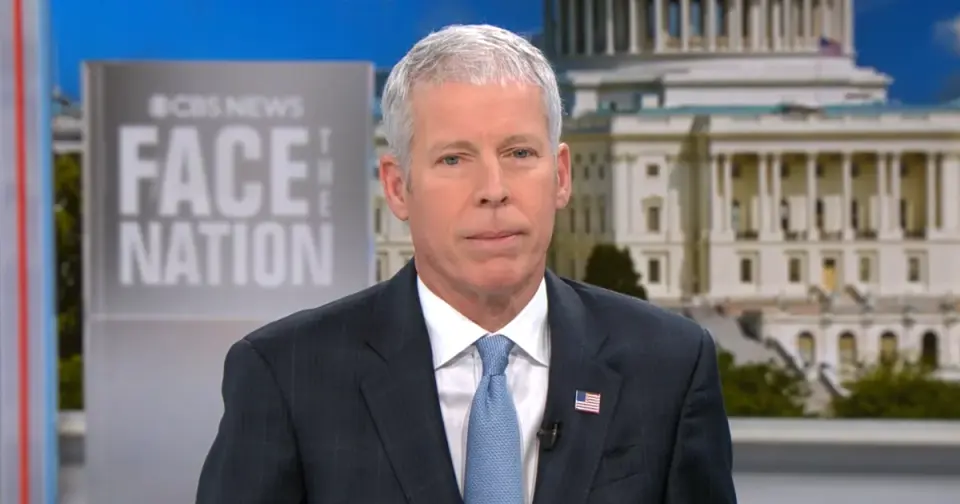
Energy Secretary Chris Wright stated that President Trump understood the short-term impact on energy costs before initiating the war in Iran, prioritizing the prevention of a nuclear-armed adversary. Wright argued that while diesel prices recently exceeded $6.50 per gallon, they are now declining due to increased supply from the Strait of Hormuz and a new G7 agreement to release 100 million barrels of fuel. He expressed confidence that prices will fall further before the midterm elections, despite ongoing diplomatic and military discussions regarding Iran.
Key points
- Wright confirmed Trump was aware the Iran war would elevate energy prices in the short term but deemed it necessary to prevent a nuclear-armed Iran.
- Diesel prices recently peaked above $6.50 per gallon, causing financial strain for farmers, construction firms, and food banks, but have since dropped by over 20 cents.
- The administration secured a G7 agreement to release 100 million barrels of fuel over four months, which Wright described as a significant step to lower global diesel prices.
- Wright predicted gasoline and diesel prices would continue to decline over the next four weeks, citing increased U.S. production, slowing summer demand, and restored Gulf flows.
- The Secretary declined to confirm if military escalation would resume after the midterms, noting that both diplomatic and military tracks remain open and that Trump is constantly evaluating options to lower energy costs.
Background
The U.S. launched a military conflict with Iran earlier in 2026, a decision that has led to significant spikes in fuel costs. Americans have experienced financial pressure from soaring gas and diesel prices in recent months. The administration has justified the conflict by arguing that a nuclear-armed Iran poses a long-term threat to global energy stability and prices. This briefing follows earlier discussions on energy policy and the economic impacts of geopolitical conflicts on domestic fuel markets.
Why it matters
The conflict with Iran has directly impacted the cost of living for Americans, particularly through high diesel prices that affect agriculture, transportation, and essential services. The administration's strategy to balance short-term economic pain with long-term security goals is under scrutiny as midterm elections approach. The success of the G7 fuel release agreement and the trajectory of energy prices will likely influence voter sentiment and the political landscape in the coming months.
What to watch
Wright expects diesel prices to drop below $6 per gallon in the near future, though he could not specify an exact timeline. The administration will continue to monitor the G7 fuel release and U.S. production levels. Diplomatic and military discussions regarding Iran will continue, with no definitive ruling out of further escalation or export bans on diesel, as the president remains engaged in evaluating various levers to reduce energy costs.
Want the full story? Read the original reporting
Read on cbsnews.com