President Donald Trump attributed a $6 trillion decline in U.S. stock markets to Democratic midterm victories, while Treasury Secretary Scott Bessent cited a combination of factors including hawkish Federal Reserve commentary and AI policy concerns. The market turmoil coincided with escalating tensions in the Iran conflict, where Trump claimed increased Iranian drone and missile activity.

UK energy bills are forecast to rise by 26% from January 2027, reaching £2,166 for a typical household. The increase is driven by higher wholesale gas prices due to the Middle East conflict. Consumer groups criticize government support measures as insufficient, while industry leaders warn of rising non-payment rates.
The national average for regular gasoline dropped by 50.5 cents between October 29 and November 19, 2026, reaching $3.72 per gallon. This represents the largest three-week decline since the 2008 financial crisis and the biggest percentage drop since early 2020. Analysts attribute the rapid fall to seasonal shifts toward cheaper winter-blend fuel, reduced driving demand, and increased oil flows through the Strait of Hormuz. Despite the sharp decline, prices remain significantly higher than a year ago, and November 2026 is currently the most expensive November on record for fuel costs.
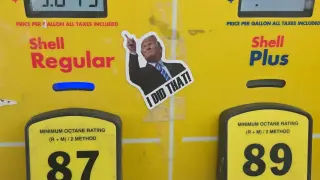
U.S. gasoline prices have dropped 57 cents in a month, marking the largest decline in nearly two decades. While President Trump attributes the fall to his post-election policies, analysts cite seasonal demand shifts and cheaper winter fuel blends as the primary drivers. Despite the recent drop, prices remain significantly higher than a year ago, and November 2026 remains the most expensive on record.
President Donald Trump arrived in Manila for the ASEAN Summit on Nov. 17, drawing immediate attention for a noticeably fluffier and darker hairstyle after a five-day absence. While social media mocked his appearance, the visit coincides with heightened US-Iran tensions following drone attacks on US bases in Bahrain. Trump dismissed concerns about personal security, telling reporters, 'If they get me, you’re gone too.'
Yair Golan, chairman of The Democrats, warned on November 15 that Prime Minister Benjamin Netanyahu might initiate a new war with Iran to secure his political survival rather than address national security needs. Golan dismissed the possibility of a unity government with Netanyahu, citing the PM's inability to serve as a minister and his alleged mismanagement of previous military campaigns. He urged the opposition to form a stable government quickly, suggesting that support from Arab parties or ultra-Orthodox factions could provide a majority. However, Avigdor Lieberman, leader of Yisrael Beiteinu, has complicated coalition efforts by threatening to vote against any government relying on Arab-majority parties, despite previously opposing ultra-Orthodox exemptions. Golan argued that the current caretaker government should not launch military operations, while Netanyahu’s allies emphasize security threats from Iran.
Army Maj. Stephen Ramsbottom filed a whistleblower complaint with Congress, alleging senior military officials ignored warnings about inadequate anti-drone defenses at Port Shuaiba in Kuwait. The complaint claims the command post lacked proper fortifications, medical support, and ambulances ahead of the March 1 Iranian drone attack that killed six U.S. soldiers. Defense Secretary Pete Hegseth previously dismissed the incident as a rare exception, but Sen. Richard Blumenthal has demanded a classified briefing and all force protection assessments. Democrats have signaled they will investigate the administration’s handling of the war when they retake Congress next year.
The national average for regular gasoline dropped below $4 per gallon for the first time since July, reaching $3.94 by November 11. Analysts attribute this decline to seasonal demand shifts, the switch to cheaper winter fuel blends, and increased oil flows through the Strait of Hormuz. Despite the drop, prices remain at record highs for this time of year due to ongoing geopolitical tensions and damaged refining infrastructure.
The national average price for regular gasoline dropped below $4 per gallon for the first time since July, reaching $3.94. This decline follows a 40-cent drop over the past month, driven by seasonal demand shifts, cheaper winter fuel blends, and falling crude oil prices. While analysts attribute the drop to market fundamentals and diplomatic progress with Iran, experts warn that geopolitical instability and refinery damage could reverse these gains. Diesel prices also fell but remain significantly elevated due to supply chain disruptions from the Russia-Ukraine conflict.
National heating costs are projected to rise by more than 7% this winter, with oil-dependent households facing the steepest increases. The National Energy Assistance Directors Association attributes the surge to supply disruptions from the war with Iran, noting that typical oil users may pay up to 70% more than last winter, totaling approximately $2,977 for the season. While a mild fall dampened early demand, colder weather is expected to drive prices higher. Massachusetts has declared an energy emergency and expanded assistance for middle-income households, while low-income families report a 30% increase in first-time applications for heating aid. Propane and natural gas prices have also climbed, though propane remains cheaper than oil. Experts note that electric rates are rising due to wholesale market costs, and alternatives like wood burning offer little financial savings once labor is factored in.
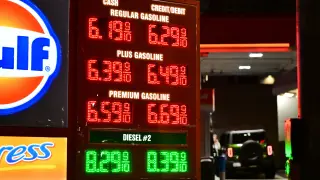
U.S. gasoline prices fell below $4 a gallon for the first time since July, reaching a national average of $3.98. This drop follows a 13% plunge in oil futures, driven by seasonal demand shifts, cheaper winter fuel blends, and hopes that the U.S.-Iran conflict will de-escalate after the midterm elections. While gas prices ease, diesel remains high at $6.16, and overall inflation stays elevated due to housing and food costs.
Global fossil fuel carbon dioxide emissions are projected to fall by 0.4% in 2026, reaching 38.2 billion tons, primarily due to the energy shock from the Iran war and Strait of Hormuz disruptions. While solar, wind, and electric vehicles offset 64-79% of demand-driven growth, experts warn this dip is temporary and not a structural peak. Total emissions, including land-use changes, are expected to rise to 43.3 billion tons, with the remaining carbon budget for 1.5°C warming now under four years.
Global fossil fuel carbon dioxide emissions are projected to fall by 0.4 percent in 2026, reaching approximately 38.2 billion tons. This decline, the first since the 2020 pandemic, is primarily attributed to the energy shock caused by the war in Iran and the closure of the Strait of Hormuz, which spiked oil prices and reduced consumption. While clean energy growth contributed to the drop, experts warn that the reduction is temporary and not a sign of a permanent peak in emissions.
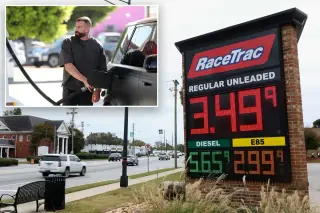
The U.S. national average price for regular gasoline fell to $3.9788 on November 10, marking the first time it has dropped below $4 since July. This decline follows a 13% plunge in oil futures and is attributed to seasonal demand drops, a shift to cheaper winter fuel blends, and geopolitical de-escalation hopes. While gasoline prices have eased, diesel costs remain elevated at $6.15 per gallon, and overall consumer inflation rose 0.4% in October, exceeding forecasts.
The national average price for regular gasoline in the U.S. fell below $4 per gallon for the first time since July, reaching $3.98 on November 10. This decline follows a 13% plunge in oil futures and is driven by seasonal demand drops, a switch to cheaper winter fuel blends, and geopolitical de-escalation hopes. While gasoline prices have eased, diesel costs remain high at $6.15 per gallon, and overall inflation remains elevated due to persistent housing and grocery costs.