
Fed Governor Cook's Lawyer Declines White House Hearing, Calling Process a 'Façade'
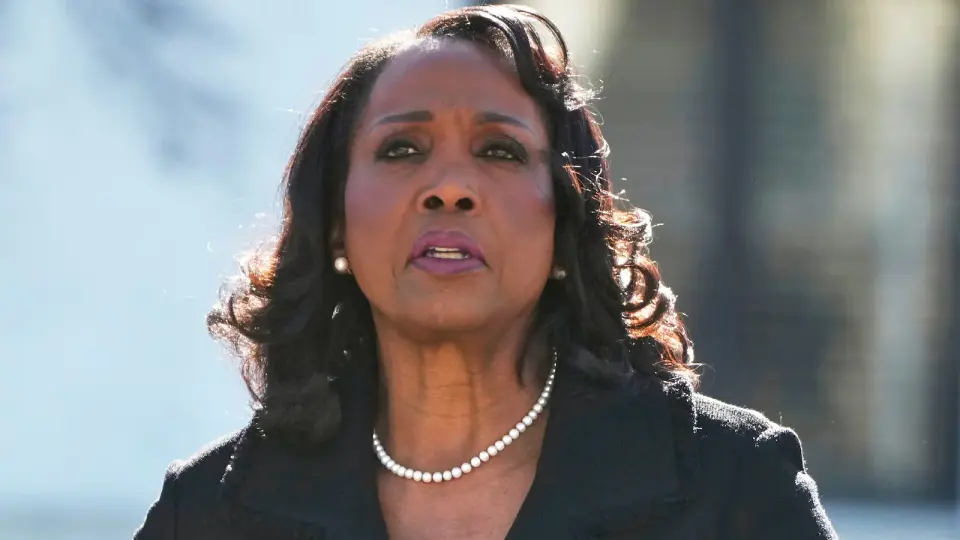
Federal Reserve Governor Lisa Cook has declined to appear before a White House committee of inquiry scheduled for December 14. Her attorney, Abbe Lowell, stated that the process is unfair and predetermined, arguing that Cook has a duty to protect the Federal Reserve's independence. The committee, established by President Donald Trump, is investigating allegations that Cook committed mortgage fraud in 2021, a charge she denies. Trump has sought to remove Cook since August 2025, but the Supreme Court blocked the attempt in June, requiring due process. Lowell accused the panel of manufacturing 'cause' for a predetermined outcome, while the White House has threatened to draw adverse inferences if Cook does not participate. The dispute highlights ongoing tensions between the administration and the central bank over monetary policy and institutional autonomy.
Key points
- Federal Reserve Governor Lisa Cook has refused to participate in a White House hearing scheduled for December 14, as announced by her attorney Abbe Lowell.
- Lowell characterized the three-member committee of inquiry as a 'façade' designed to obscure a predetermined decision to fire Cook, citing procedural unfairness.
- The White House committee is investigating allegations that Cook committed mortgage fraud in 2021 by falsely claiming properties as her primary residence, a charge she denies.
- President Donald Trump has sought to remove Cook since August 2025, but the Supreme Court blocked the attempt in June, requiring the administration to provide adequate notice and an opportunity to respond.
- The committee includes National Economic Council Director Kevin Hassett, EEOC Chair Andrea Lucas, and Labor Secretary Keith Sonderling, all of whom are executive branch officials.
- Lowell accused the committee of prejudging the issue and demanding immediate document production while delaying its own records, reinforcing claims that the process is not fair.
Background
This dispute follows a June 2026 Supreme Court ruling that blocked President Trump from firing Cook, citing concerns about due process and the Federal Reserve's independence. The court noted that the appearance of independence is key to the Fed's design. Trump has frequently urged the Fed to lower interest rates, and Cook, the first Black woman to serve on the Fed's Board of Governors, voted to cut rates in December 2025. The White House established the committee of inquiry in October 2026 to meet the Supreme Court's conditions for a potential re-attempt at removal. Cook has argued that the president's efforts to fire her represent a threat to the Fed's independence and reflect a desire to force the central bank to reduce borrowing costs. The hearing was initially scheduled for November 5 but was delayed to December 14 due to conflicts with Cook's Fed duties and disputes over the panel's fairness.
How outlets are covering it
ABC News emphasizes Cook's refusal to participate, highlighting her lawyer's argument that the process is unfair and committed to a predetermined outcome. CNBC focuses on the tone of Lowell's letter, describing it as more hostile than ever, and notes that the White House did not respond to requests for comment. Politico frames the dispute as a 'sham process,' quoting Lowell's accusation that the committee is a 'façade' designed to manufacture 'cause' for a predetermined removal. All sources agree on the core facts: Cook's refusal, the committee's composition, and the Supreme Court's June ruling. However, they differ in emphasis: ABC and Politico focus on the fairness and independence arguments, while CNBC highlights the procedural disputes and the lack of White House response. The sources also note that the committee includes executive branch officials, which Lowell argues undermines the legitimacy of the factfinding process.
Why it matters
The dispute over Lisa Cook's potential firing has significant implications for the Federal Reserve's independence and monetary policy. If the White House succeeds in removing Cook, it could signal a shift in the Fed's leadership and potentially influence interest rate decisions. The Supreme Court's June ruling emphasized the importance of due process and the appearance of independence, setting a precedent for future disputes between the executive branch and the central bank. The outcome of the December 14 hearing could determine whether Cook remains in her position or if the administration proceeds with a firing, potentially affecting market confidence and the Fed's credibility. The dispute also highlights the ongoing tensions between the Trump administration and the Federal Reserve, with Trump frequently urging the Fed to lower interest rates. The resolution of this case could have broader implications for the relationship between the executive branch and independent regulatory agencies.
What to watch
The White House committee of inquiry is scheduled to hold a hearing on December 14, but it is unclear whether Cook will participate. Lowell has stated that Cook would appear if the White House implements fair procedures, but the current 'ultimatums' do not provide a productive path forward. The White House has threatened to draw adverse inferences against Cook if she does not participate, but it is unclear whether the committee will proceed without her. The Supreme Court's June ruling provided a path for the administration to try again to fire Cook if adequate notice and an opportunity to respond were provided, but it did not address whether Cook's actions met the standard for 'cause.' The outcome of the hearing could determine whether the administration proceeds with a firing or if the dispute is resolved through other means. The Federal Reserve's upcoming monetary policy meeting may also be affected by the outcome of the hearing, as market participants may interpret the dispute as a signal of potential changes in monetary policy.
- Federal Reserve's Cook refuses to participate in White House hearing ABC News - Breaking News, Latest News and Videos
- Lisa Cook lawyer signals Fed governor won't attend Trump committee's hearing CNBC
- Fed's Cook won't appear at White House hearing on potential firing without changes Politico
- Fed governor Lisa Cook will skip White House tribunal on her firing Axios
- Fed Governor Cook Won’t Attend White House Hearing Without Changes The New York Times
Want the full story? Read the original reporting
Read on ABC News - Breaking News, Latest News and Videos