
Illinois Judge Blocks Prediction Market Rules as Ohio Orders 10 Platforms to Halt Sports Betting
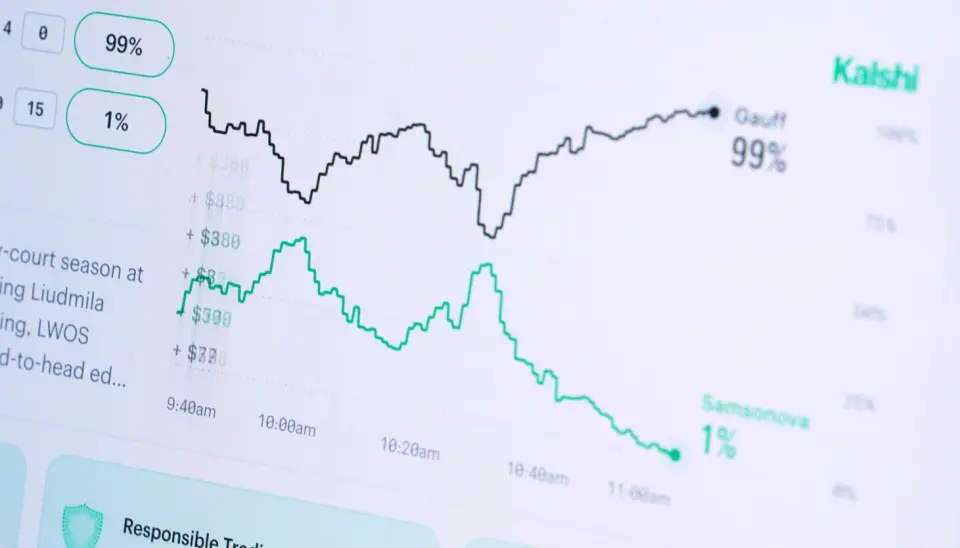
A federal judge in Illinois blocked new state rules on prediction markets, ruling that Kalshi’s sports contracts are likely federally regulated swaps. Meanwhile, Ohio’s casino regulator ordered 10 platforms, including Polymarket and Robinhood, to stop offering sports contracts by October 16, citing a recent 6th Circuit ruling. This creates a fragmented legal landscape where the same app faces different regulations in different states.
Key points
- An Illinois federal judge ruled that Kalshi’s sports event contracts are likely 'swaps' under the Commodity Exchange Act, blocking state gambling laws from applying to them.
- Ohio’s Casino Control Commission sent cease-and-desist letters to 10 prediction market operators and brokers, including Polymarket, Robinhood, and Coinbase, demanding they halt sports contracts by October 16.
- Ohio’s action follows a September 25 ruling by the 6th U.S. Circuit Court of Appeals, which held that federal commodities law does not preempt Ohio’s sports gaming laws.
- The Illinois ruling contradicts the 6th Circuit decision, creating a circuit split that may eventually reach the Supreme Court.
- Kalshi was not included in Ohio’s cease-and-desist letters, as its legal challenge produced the appeals court ruling that Ohio is now enforcing against other platforms.
Background
This dispute follows a series of legal battles over prediction markets in 2026. In September, New Jersey asked the Supreme Court to decide whether prediction markets should be governed by state gambling laws or federal regulators. New York and Polymarket also filed dueling lawsuits over the same issue. California had considered regulating election prediction markets, while Michigan barred Kalshi from sports wagers. The current rulings in Illinois and Ohio reflect the ongoing conflict between state regulators and federal authorities over the classification of prediction markets.
How outlets are covering it
The Chicago Sun-Times reports on the Illinois federal judge’s decision to block new state rules on prediction markets, siding with Kalshi. RG.org details Ohio’s aggressive enforcement against 10 prediction market platforms, citing the 6th Circuit ruling. Fire Brand of the American League provides a broader analysis of how courts are sorting out the boundaries between sports betting apps and prediction markets, noting the circuit split between the 9th and 3rd Circuits. Wirepoints, while not directly covering the prediction market dispute, highlights Illinois’s legislative landscape, which may influence future state-level regulations on gambling and prediction markets.
Why it matters
The conflicting rulings in Illinois and Ohio create a patchwork of regulations for prediction markets, affecting where and how users can place sports bets. The outcome of these legal battles will determine whether prediction markets are regulated as gambling or as federally regulated derivatives, with significant implications for consumer protection and the future of the industry.
What to watch
The 10 platforms ordered by Ohio must confirm compliance by October 16. The circuit split between the 6th Circuit and the Illinois ruling may lead to a Supreme Court review, potentially resolving the nationwide dispute over prediction market regulation. States like New Jersey and New York are also involved in ongoing legal battles that could shape the regulatory landscape.
- Federal judge sides with Kalshi, blocks new Illinois rules on prediction markets Chicago Sun-Times
- How Regulation Is Redefining the Boundaries of Sports Betting Apps Fire Brand of the American League
- Ohio Tells Polymarket, Robinhood, Coinbase to Halt Sports Contracts RG.org
- Illinois Leads Nation in Legislators With Two Last Names, Up From 2 to 14 in 20 Years – Prairie State Wire Wirepoints
- Prediction markets for the future: Navigating the legal landscape to preserve accurate forecasts Reason Foundation
Want the full story? Read the original reporting
Read on Chicago Sun-Times