
Landry's Emergency Order Eases Diesel Rules for Louisiana Harvest
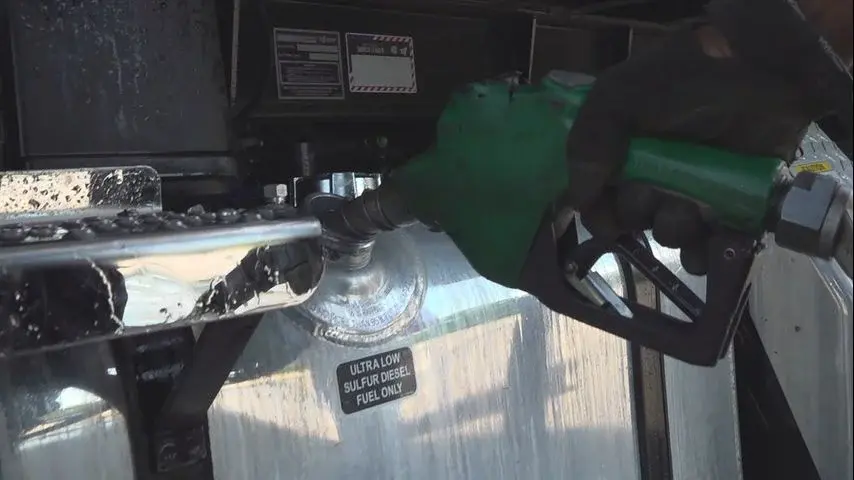
Louisiana Governor Jeff Landry declared a state of emergency on September 23, 2026, in response to record-high diesel prices reaching $6.03 per gallon. The executive order suspends penalties for using untaxed, dyed off-road fuel in highway vehicles for agricultural and timber operations through October 22. This move aims to provide immediate relief to farmers and loggers during peak harvest season, with the American Sugar Cane League estimating potential savings of over $8 million for sugarcane growers.
Key points
- Governor Jeff Landry issued an executive order declaring a state of emergency due to diesel prices hitting an all-time high of $6.03 per gallon.
- The order temporarily allows the use of nontaxable, dyed off-road diesel in highway vehicles registered for 'Farm Use' or 'Forest Products' through October 22.
- Diesel prices are currently 113% higher than the levels used by LSU AgCenter economists to develop harvest budgets for farmers.
- The American Sugar Cane League estimates the order could save sugarcane farmers over $8 million during the 2026 harvest season.
- The order directs the Louisiana Department of Revenue to request federal penalty relief from the Internal Revenue Service by the end of the week.
Background
This emergency declaration follows a broader national trend of rising fuel costs, with U.S. gas prices nearing yearly highs in late September 2026. Earlier in the month, farm-state Republicans pushed for a diesel export ban to ease record-high prices, while oil industry officials warned such a move would cut supply. The current crisis is driven by geopolitical tensions, including the Iran war and disruptions in the Strait of Hormuz, which have pushed Brent crude near $105 a barrel. Louisiana's move is part of a wider effort by agricultural states to mitigate the impact of these global supply chain disruptions on local harvest operations.
How outlets are covering it
WBRZ and WDSU both report on Governor Landry's emergency declaration, but WDSU provides more specific details on the financial impact and the mechanics of the order. WDSU highlights the American Sugar Cane League's estimate of over $8 million in savings for sugarcane farmers and notes that diesel prices are 113% higher than budgeted levels. WBRZ focuses more on the general declaration and the immediate relief for farmers and timber operators. Both outlets agree on the core facts: the state of emergency, the suspension of penalties for dyed diesel, and the effective dates. However, WDSU provides more context on the broader fuel price environment, noting that the average gas price in Louisiana is $4.03, while WBRZ does not include this detail. The perspectives are largely aligned, with WDSU offering a more detailed breakdown of the economic impact and the specific vehicles and operations covered by the order.
Why it matters
The emergency declaration is significant because it directly addresses the financial strain on Louisiana's agricultural and timber industries during a critical harvest season. Record-high diesel prices threaten the profitability of these sectors, which are vital to the state's economy. By allowing the use of untaxed fuel, the governor's order provides immediate relief, potentially saving millions of dollars for farmers and loggers. This move also highlights the broader national issue of rising fuel costs and the need for targeted relief measures to protect vulnerable industries. The request for federal penalty relief from the IRS further underscores the severity of the situation and the need for coordinated action at both state and federal levels.
What to watch
The executive order remains in effect through October 22, 2026. The Louisiana Department of Revenue is expected to request federal penalty relief from the Internal Revenue Service by the end of the week. The impact of the order on diesel prices and the financial health of agricultural and timber operations will be closely monitored in the coming weeks. If the federal relief is granted, it could provide additional savings for farmers and loggers. The situation will also be influenced by broader national and global fuel price trends, which are driven by geopolitical tensions and supply chain disruptions.
- Gov. Landry declares state of emergency over high diesel prices ahead of harvest WBRZ
- Ivey issues order to help Alabama farmers hit by skyrocketing diesel fuel prices AL.com
- Governor Ivey Directs Alabama Law Enforcement Agency to Halt Enforcement on Dyed Diesel Fuel to Relieve Agricultural & Timber Communities Governor.alabama.gov
- Louisiana governor declares state of emergency as diesel prices hit farmers hard WDSU
- Gov. Landry’s Order Waives Some Limits on Off-Road Diesel Use to Lower Fuel Costs Successful Farming
Want the full story? Read the original reporting
Read on WBRZ