
Midterm voters face a food safety crisis as outbreaks and recalls spark political blame
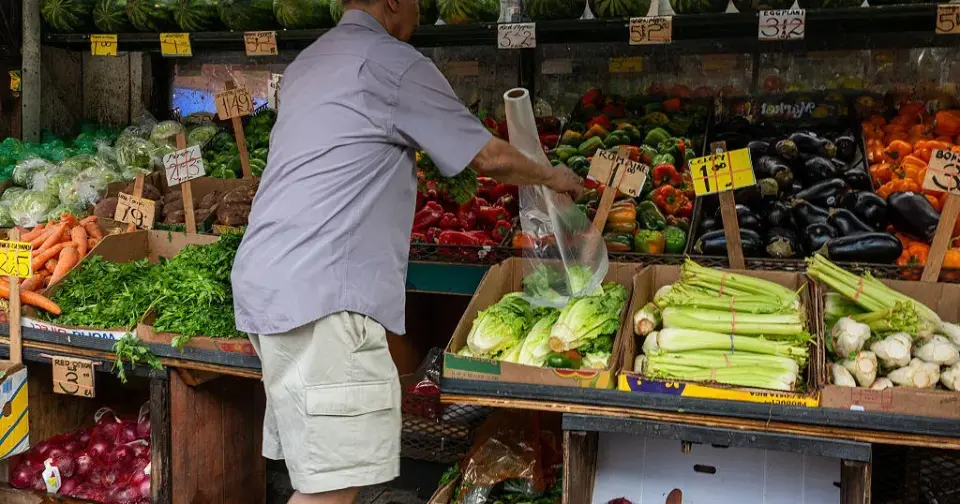
The 2026 midterm election cycle is being defined by a surge in foodborne illness and public anxiety over food safety. A massive cyclospora outbreak in lettuce sickened nearly 20,000 people, while a Class I recall removed 167,000 pounds of uninspected meat from the market. Democrats are blaming federal budget cuts and HHS Secretary Robert F. Kennedy Jr. for the crisis, while the Trump administration argues that recall numbers are actually at historic lows. Polls show a sharp decline in consumer confidence, with 53% of Americans worried about the safety of their food, leading to significant changes in shopping habits and a polarized debate over the adequacy of federal oversight.
Key points
- A cyclospora outbreak linked to iceberg lettuce resulted in nearly 20,000 laboratory-confirmed cases between May and August 2026, a massive increase from 1,180 cases in the same period in 2025.
- The USDA issued a Class I recall for approximately 167,639 pounds of raw pork, beef, and goat products from Star Meat Delivery Inc. in North Carolina, which were falsely labeled with a USDA inspection mark.
- Consumer confidence in the U.S. food system dropped to 30% in August 2026, down from 40% in November 2025, according to a University of Illinois and Purdue University survey.
- Democrats are accusing the Trump administration of 'dismantling' food safety agencies, while the administration claims that total recalls in fiscal year 2026 are the lowest in over a decade.
- Nearly 56% of Americans believe food recalls have increased in recent years, and 58% have changed their eating habits as a result, with Gen Z and women showing the highest levels of concern.
Background
This current political friction follows a summer of heightened public health alerts. Earlier in 2026, a GS1 US survey indicated that 67% of consumers had avoided an entire food category due to recall fears. The situation has been complicated by a broader trend of rising recalls from 2021 to 2025, where Class I recalls increased by 36.4%. Additionally, the administration's decision to delay the Food Safety Modernization Act traceability rule to July 2028 has raised concerns among experts about the ability to quickly identify contamination sources.
How outlets are covering it
CBS News and Navigator Research highlight a sharp partisan divide, with Democrats blaming HHS Secretary Robert F. Kennedy Jr. and budget cuts for the outbreaks, while the Trump administration and HHS officials dismiss these claims as 'scaremongering' and 'fake news.' Yahoo Finance focuses on the economic impact, noting that recalls can drive up prices for substitute goods and cause financial strain for consumers. Abasto.com provides a technical perspective, arguing that while August saw a spike in Salmonella-related notices, the overall volume of recalls is actually lower than in 2024, suggesting that the 'crisis' is partly a result of increased visibility and new rules on artificial dyes rather than a total collapse in safety.
Why it matters
The intersection of public health and political polarization is creating a 'pocketbook' issue that could influence voter turnout in the midterms. As consumer confidence in the food supply reaches historic lows, the debate over federal oversight and the role of agencies like the FDA and CDC is becoming a central theme in the 2026 election cycle.
What to watch
The administration is expected to continue its push to phase out artificial food dyes by the end of 2027, while Democrats will likely maintain pressure on the FDA to restore inspector staffing levels. The delayed traceability rule is now set for implementation in July 2028, a move that food safety leaders argue will leave the supply chain vulnerable to large-scale outbreaks in the interim.
- Food safety becomes an election issue as major outbreaks and recalls cause concern CBS News
- Food recalls can raise grocery prices — what shoppers need to know Yahoo Finance
- Food Recalls in the U.S.: What’s Changing in Food Safety abasto.com
- Food for Thought: Americans Are Concerned About What’s On Their Plate Navigator Research
- The Number of Food Recalls are Down, but Individual Outbreaks can be Severe Successful Farming
Want the full story? Read the original reporting
Read on CBS News