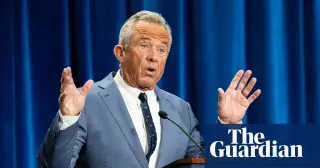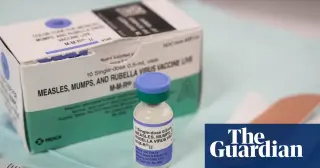
The Washington Post’s The Post's View argues that RFK Jr.’s push to loosen peptide regulations contradicts FDA scientists’ warnings that many peptides are ineffective and potentially dangerous, accusing him of hypocrisy for promoting an experimental wellness trend while doubting vaccines.
Jessica Sutta says she wasn’t invited back to the Pussycat Dolls’ reunion tour and believes it was because of her support for RFK Jr.’s vaccine conspiracy theories; the group is reuniting with only three of the original six members.
Jessica Sutta says she was effectively excluded from the Pussycat Dolls’ reunion tour because of her political views, including support for RFK Jr. and MAGA, describing herself as a “liability” and saying she and other longtime members were blindsided when the tour was announced without several originals; the dispute underscores tensions within the group and amid Kennedy/MAGA-tinged vaccine debates tied to Sutta’s stance.
Chelsea Handler says she bought RFK Jr. and Cheryl Hines’s Brentwood home for about $5.9 million five years ago and has not lived in it after a home inspector labeled the property the most toxic environment; renovations uncovered issues including an illegal outdoor storage unit and foundation problems, and she quipped about Kennedy’s role in government. The 1937-built house has five bedrooms and a pool.
Comedian Chelsea Handler reveals she bought RFK Jr. and Cheryl Hines’s Brentwood home for about $5.9 million nearly five years ago, but foundation and safety concerns, an allegedly illegal storage unit, and warnings that the house is 'cursed' have kept her from moving in.
On her Dear Chelsea podcast, Chelsea Handler reveals she bought RFK Jr.’s Brentwood mansion for about $5.9 million five years ago, only to find it “unlivable” and toxic, and she lashes out at RFK Jr. and his wife Cheryl Hines over the deal.
White House aides are scrambling to manage Robert F. Kennedy Jr.’s Make America Healthy Again (MAHA) agenda, with White House interference at the Health and Human Services Department as Kennedy loyalists are replaced and officials warn his vaccine-focused priorities could hurt Republican prospects in 2026. Kennedy remains in Trump’s good graces, but internal friction over MAHA—ranging from vaccines to glyphosate—has pressured administration officials, while Trump touts MAHA “wins” and did not address key priorities in the State of the Union.
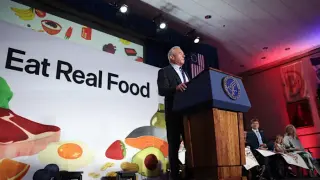
RFK Jr. used a rally to press Dunkin’ Donuts for safety data on the high sugar content of iced coffees, prompting pushback from Massachusetts leaders while supporters defend the chain; Dunkin’ has not yet commented, and Kennedy continues to frame the issue within his health-focused push for “real food.”
Washington Post’s The Post’s View argues that Kennedy’s remarks about sugar and his push for private firms to disclose safety data signal a broader MAHA regulatory drive. Even with existing nutrition labeling, pressuring Dunkin’ and Starbucks to prove a drink’s safety could curb consumer choice, and Kennedy’s plan to end the FDA’s self-affirmation rule would require formal ingredient approvals. While MAHA’s health goals are laudable, the piece contends government isn’t the best engine for change, noting Kennedy’s credibility questions and citing MAHA ideas (including ivermectin over‑the‑counter proposals in Iowa). It calls on progressives to push back against nanny‑state tendencies that risks narrowing personal choice.
RFK Jr. targets Dunkin’ Donuts and Starbucks, demanding safety data on sugar levels in iced coffee, a move that has stirred New Englanders and highlighted RFK Jr.’s penchant for high‑profile clashes over food policy.
Health Secretary Robert F. Kennedy Jr.’s push to overhaul the vaccine program has provoked anger among his anti-vaccine allies as regulators briefly dropped—and then revived—the review of Moderna’s mRNA flu shot, fueling claims he’s betrayed the movement by leaving much of the vaccine apparatus intact while shifting focus to other causes like real-food policy. Veteran supporters, including Derrick Wynne who opposed vaccines, say Kennedy used the movement for traction, underscoring a widening rift ahead of the midterms.
Unearthed columnist Tamar Haspel argues the Trump administration’s new Dietary Guidelines claim to be evidence-based, yet bias and cherry-picked data permeate the recommendations (notably treating red meat, butter, and even tallow as favorable while sidestepping alcohol). She concedes the core rule—limiting saturated fat to about 10% of calories—would generally be healthful, but the framing and specifics are compromised by political influence.
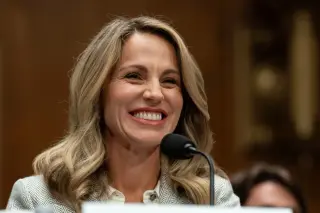
Surgeon general nominee Casey Means faced questions from the Senate Health Committee about her views on vaccines, pesticides, and RFK Jr.’s vaccine stance, while lawmakers scrutinized her past business ties and potential conflicts of interest as they weigh her nomination.
The Washington Post reports that RFK Jr., depicted as health secretary, has long campaigned against vaccines and has tied his own voice-change to the flu vaccine—an assertion medical experts say lacks scientific support. Amid a severe flu season, federal guidance was revised to no longer routinely recommend flu vaccines for children and adolescents, and Kennedy ordered an end to a government flu-vaccine ad campaign, signaling a notable shift in public health policy.
Robert F. Kennedy Jr. teamed with Kid Rock to share a provocative Make America Healthy Again workout video on X, featuring gym scenes, shirtless moments, a jeans-clad cold plunge and milk-drinking, which critics treated as a troll and sparked polarized online reactions about its odd branding and messaging.