
New bill seeks to lower Social Security retirement age to 60 for blue-collar workers
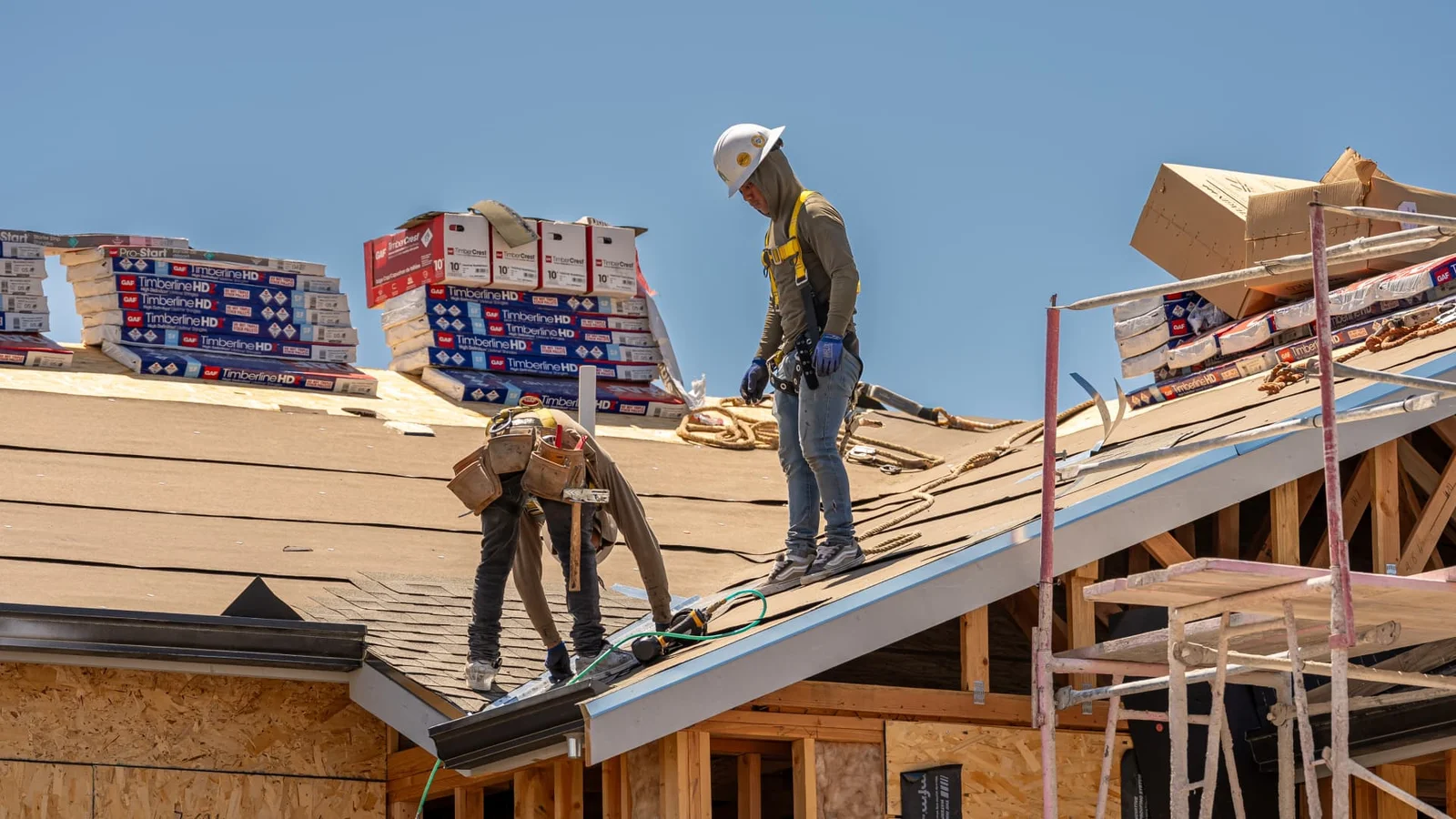
Rep. Haley Stevens introduced the Blue Collar Social Security Fairness Act, proposing that workers in physically demanding occupations can claim full Social Security benefits at age 60. The bill uses a points system to qualify individuals based on years worked in jobs like construction and nursing, aiming to address the physical toll of labor that often prevents workers from reaching the current full retirement age of 67.
Key points
- Rep. Haley Stevens (D-Mich.) introduced the Blue Collar Social Security Fairness Act to lower the full retirement age to 60 for workers in physically demanding jobs.
- The bill targets occupations such as construction, roofing, nursing, and manufacturing, with the Social Security Administration to define and update the list of qualifying jobs every three years.
- Eligibility is determined by a weighted points system: 0.5 points per year for ages 18-34, 1 point for 35-44, 1.5 points for 45-54, and 2 points for ages 55 and older.
- To qualify for early full benefits at 60, a worker must accumulate 15 points or have 20 total years of physically demanding work, without requiring the entire career to be in such roles.
- The proposal addresses the difficulty blue-collar workers face in reaching the current full retirement age of 67, which is set for those born in 1960 or later.
Background
Current Social Security rules set the full retirement age at 67 for those born in 1960 or later, with benefits increasing by 8% for each year delayed up to age 70. While 62 is the earliest claiming age with reduced benefits, many workers retire earlier due to physical strain. Recent analyses indicate that 39.1% of the civilian workforce holds physically demanding jobs, and research suggests these workers often exit the workforce earlier than planned, jeopardizing retirement security. The program faces potential trust fund depletion, prompting debates over benefit adjustments or tax increases.
Why it matters
The bill highlights a growing concern that the current retirement age framework may be unattainable for workers in physically demanding roles, potentially leading to earlier workforce exit and inadequate retirement savings. If passed, it could provide a targeted benefit increase for vulnerable low-income workers, aligning with broader calls to address Social Security’s financial sustainability without across-the-board cuts.
What to watch
The bill’s progress in Congress is uncertain, as it must navigate debates over Social Security’s funding and potential benefit cuts. The Social Security Administration would need to develop and update the list of qualifying occupations every three years if the legislation advances.
Want the full story? Read the original reporting
Read on CNBC