
Mamdani Launches RFP for Five Municipal Groceries Offering 30% Discounts on Staples
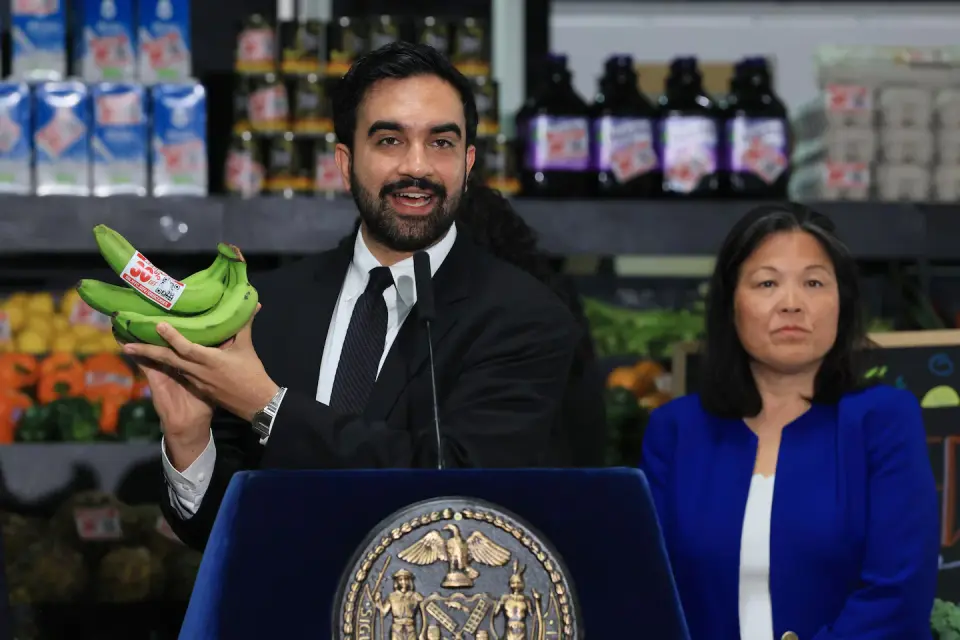
New York Mayor Zohran Mamdani has detailed a plan to open five city-run grocery stores, one in each borough, offering a 30% discount on essential items like meat, produce, and dairy. The initiative, funded by a $70 million capital budget allocation, aims to save the average shopper approximately $1,000 annually. The city has issued a request for proposals to select private operators who will manage daily logistics, staffing, and supply chains while the city covers rent, maintenance, and property taxes. Prices for core goods will be locked monthly to prevent weekly fluctuations, with the first store opening in the Bronx by late 2027 and all five locations operational by the end of Mamdani’s first term.
Key points
- The municipal grocery program will offer a 30% discount on a core basket of goods, including fresh produce, meat, seafood, bread, milk, and eggs, with prices set at the start of each month.
- The city has allocated $70 million in its capital budget to fund the construction and renovation of five stores, with the first location in Hunts Point, Bronx, expected to open by the end of 2027.
- A 44-page request for proposals seeks private operators to manage daily operations, including merchandising, staffing, and security, while the city retains control over mission, standards, and store design.
- To avoid competing with local bodegas, the municipal stores will not sell alcohol, tobacco, lottery tickets, or hot food, focusing instead on staple goods.
- The initiative includes a requirement for operators to provide family-sustaining wages and adhere to a Labor Peace Agreement to protect worker organizing rights.
Background
This initiative follows Mamdani’s campaign promise to address food affordability, a key issue for New Yorkers amid rising grocery prices. Previous discussions on meat sourcing and health impacts of diet changes highlight broader consumer concerns about food quality and cost, though this program focuses specifically on price stability for staples. The plan builds on earlier announcements regarding site selection in East Harlem and the Bronx, as well as the development of a brand identity for the stores.
How outlets are covering it
While The Washington Post and NYC.gov emphasize the projected savings and the public-private partnership model, ABC7 New York highlights the mayor’s assurance that the stores will not compete with local bodegas by excluding non-staple items. NBC New York notes criticism from local politicians and watchdog groups, such as the Citizens Budget Commission, who argue that subsidizing grocery stores is not the most cost-effective way to address food insecurity or root causes of rising prices. Critics also express concern that the program may not address the underlying economic factors driving high food costs, despite the immediate discount offered to shoppers.
Why it matters
The program represents a significant shift in municipal policy, attempting to directly intervene in food pricing to combat inflation and food insecurity. By locking prices monthly and targeting essential goods, the city aims to provide stability for households, particularly the 40% of families struggling to afford food. The initiative also sets a precedent for public-private partnerships in retail, potentially influencing how other cities approach cost-of-living crises.
What to watch
The city will hold a virtual information session for the RFP on August 5, 2026, with responses due by October 16, 2026. The first store is expected to open in the Bronx by the end of 2027, with all five locations operational by the end of Mamdani’s first term. The city will continue to identify sites in Brooklyn, Queens, and Staten Island through a data-driven approach and public engagement.
- NYC-run grocery stores will sell meat, other basics at 30% off, Mamdani says The Washington Post
- City-owned groceries to offer 30% discounts on essential items; Mamdani vows not to compete with local shops ABC7 New York
- Mamdani’s Grocery Stores Will Offer 30 Percent Discount on Some Products The New York Times
- Mayor Mamdani Unveils 30% Discount — Including All Produce, All Meat and Key Pantry Staples — at New Municipal Grocery Stores NYC.gov
- Mamdani announces 30% discount on core set of goods at NYC-owned grocery stores NBC New York
Want the full story? Read the original reporting
Read on The Washington Post