
Rubio dismisses cyberattack fears as US officials struggle to explain cascade of critical infrastructure outages
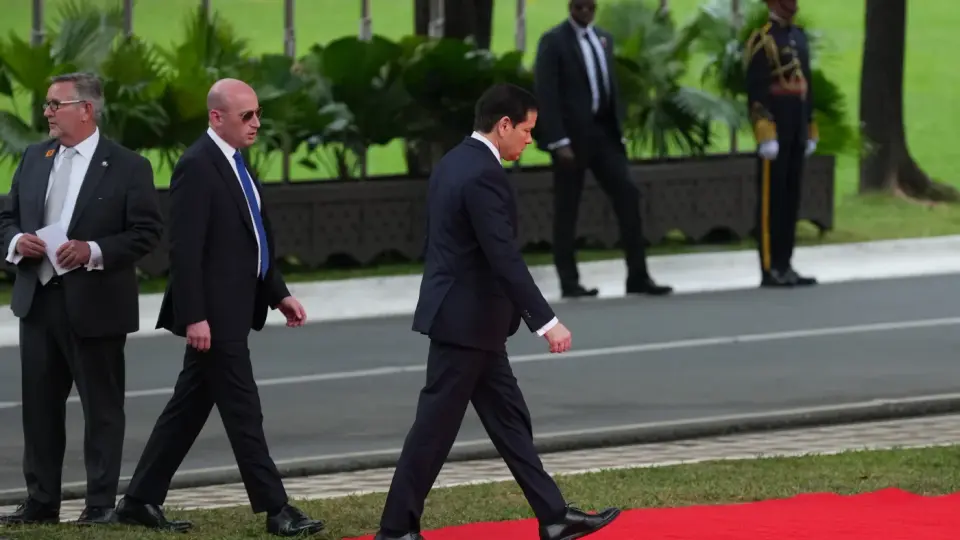
Secretary of State Marco Rubio stated that there is zero evidence linking recent widespread outages at Microsoft, the FAA, and major banks to a coordinated cyberattack or foreign adversary. While officials attribute the disruptions to technical errors and security upgrades, public anxiety persists due to the administration's dismissive tone and lack of transparency. Experts warn that these failures expose critical vulnerabilities in US infrastructure, even if no malicious intent is confirmed.
Key points
- Rubio asserted in Manila that there is no evidence the outages are related to each other or caused by malign actors, hackers, or foreign nations.
- The disruptions began with a Microsoft outage, followed by a nationwide FAA ground stop, banking issues at JPMorgan Chase, and an NSA network failure.
- President Trump dismissed the incidents as normal occurrences for large entities, a stance criticized by allies and opponents for lacking transparency.
- Director of National Intelligence Jay Clayton stated the incidents appear to be caused by security upgrades that encountered unexpected hiccups rather than coordinated attacks.
- Cybersecurity experts warn that while the causes may be technical, the timing and nature of the failures could reveal vulnerabilities to adversaries.
Background
This crisis follows a period of heightened public anxiety regarding technological reliability. In late November 2026, a global Outlook outage was traced to a latent software defect from July, highlighting the fragility of interconnected systems. The current wave of failures has intensified concerns about the resilience of US infrastructure, particularly as the administration faces criticism for its handling of the situation. Previous reports indicated that officials attributed similar disruptions to AI-identified security patches, though the current cascade has sparked broader debates about the safety of rapid technological transitions.
How outlets are covering it
Outlets diverge significantly in their interpretation of the administration's response. NPR and CNN emphasize the public's growing distrust, noting that Trump's dismissive comments and the lack of clear communication have fueled speculation of a coordinated attack. CNN highlights that while there is no public evidence of a cyberattack, the timing raises concerns about infrastructure vulnerability. Fox Business presents a more cautious view, citing cybersecurity expert Dr. Ram Dantu, who warns that while the outages may be technical, the inability to rule out a cyberattack is dangerous because adversaries could exploit these revealed weaknesses. NBC News suggests the root cause is likely the brittleness of computer systems and the accelerating pace of AI-driven changes, rather than sabotage. Rubio and Clayton maintain a firm stance that the incidents are isolated technical errors, while critics like Karoline Leavitt and Meghan McCain argue the government is failing to provide adequate reassurance.
Why it matters
The cascade of outages exposes the fragility of US critical infrastructure, from banking to national security communications. The administration's struggle to communicate a clear narrative risks eroding public trust and could provide adversaries with insights into system vulnerabilities. As the US transitions to AI-driven infrastructure, these failures highlight the urgent need for resilience and transparency in managing technological risks.
What to watch
The administration is expected to continue addressing public concerns as Trump travels to China for meetings with Xi Jinping and Vladimir Putin. Lawmakers are likely to demand further explanations and accountability for the outages. Cybersecurity experts will continue to monitor for any signs of exploitation of the revealed vulnerabilities, while the public may remain skeptical of official explanations until more detailed information is released.
- Rubio says there's 'zero' information that U.S. outages are caused by a malign actor NPR
- What should really scare Americans amid blitz of tech outages CNN
- Cybersecurity expert sounds alarm over US infrastructure vulnerabilities amid widespread outages Fox Business
- A wave of tech outages raised fears of sabotage. The explanation may be much simpler. NBC News
- Opinion | I said the internet would stop working. Then came the outages. The Washington Post
Want the full story? Read the original reporting
Read on NPR