
Senate GOP urges Trump to enforce Dec. 11 hemp ban, rejecting regulatory compromise
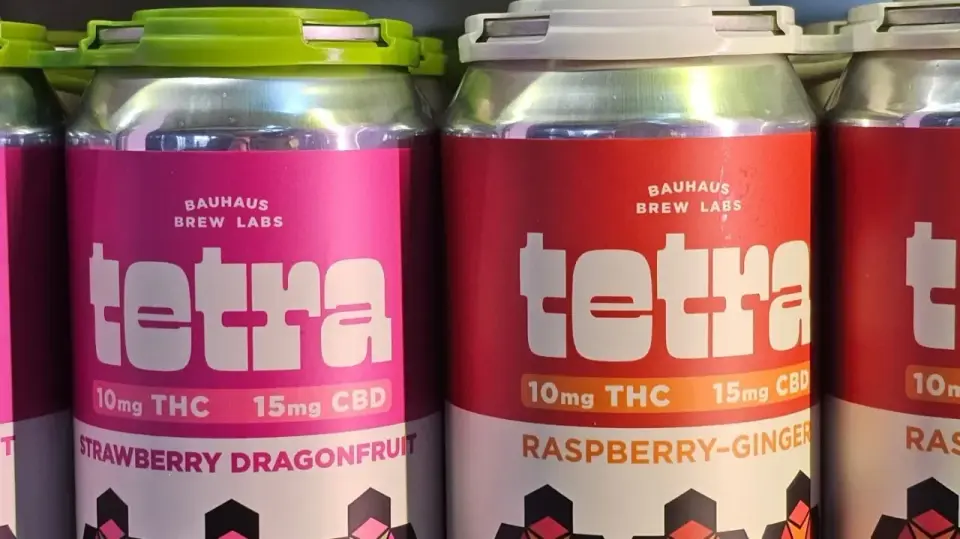
More than a dozen Senate Republicans urged President Trump to uphold the December 11 deadline for banning intoxicating hemp products, rejecting a bipartisan proposal to replace the ban with a regulatory framework. The senators argued that delaying the ban would allow the sale of candy-like THC products to children, while opponents warn that the ban will disrupt a $28 billion industry and complicate banking for state-legal businesses.
Key points
- Senate Republicans, led by Ted Budd, sent a letter to President Trump urging him to let the federal ban on intoxicating hemp take effect on December 11, 2026, without further delay.
- The ban, originally set for November 11, was delayed by one month via a September spending bill, with the administration stating no further extensions would be granted.
- The new federal definition caps THC at 0.4 milligrams per container, effectively banning most high-potency hemp-derived products sold in gas stations and convenience stores.
- A bipartisan bill, the Hemp Guardrails Act, introduced by Senators Tim Sheehy and Amy Klobuchar, seeks to replace the ban with FDA oversight and age restrictions, but Republicans argue this creates a permanent loophole.
- Businesses in states like Minnesota and North Dakota face challenges, including potential banking restrictions and supply chain disruptions, as they navigate the transition to the new federal standards.
Background
The 2018 Farm Bill removed hemp from the controlled substances list, but a lack of federal regulation allowed companies to synthesize high levels of THC, leading to a surge in products sold outside dispensaries. In late 2025, Congress passed a law to redefine hemp and close this loophole, with the ban initially set for November 11, 2026. A one-month delay was inserted into a September spending bill, moving the effective date to December 11, 2026. This follows earlier state-level actions, such as Illinois restricting sales to licensed dispensaries in November 2026.
How outlets are covering it
Senate Republicans, including Ted Budd and Pete Ricketts, argue that the ban is necessary to protect children from addictive, candy-like THC products and that a regulatory framework would be a 'permanent legal license' for the industry. They emphasize that the ban protects legitimate industrial hemp farming while stopping the sale of intoxicating substances. In contrast, proponents of the Hemp Guardrails Act, such as Senators Amy Klobuchar and Tim Sheehy, contend that the ban will disrupt a $28 billion industry and that a regulatory framework with age limits and FDA oversight is a more balanced approach. Businesses in states like Minnesota, such as Surdyk’s Liquor & Cheese Shop, express uncertainty about the future, noting that while cannabis remains available at dispensaries, hemp-derived products may face banking and supply chain challenges. The Star Tribune highlights that the Schedule 1 designation complicates banking for state-legal businesses, while Valley News Live notes that North Dakota retailers must comply with the federal 0.4 milligram limit, which is stricter than the state’s current 5 milligram per serving limit.
Why it matters
The December 11 deadline will determine whether the federal government enforces a strict ban on intoxicating hemp products or adopts a regulatory framework. This decision will impact a $28 billion industry, with potential consequences for banking, supply chains, and state-level markets. It also raises questions about the balance between public health concerns, such as protecting children from addictive substances, and the economic interests of the hemp industry. The outcome could set a precedent for how federal and state regulations interact in the cannabis and hemp sectors.
What to watch
The next key step is the December 11, 2026, deadline, when the federal ban on intoxicating hemp products is set to take effect. If no further action is taken, the ban will go into effect, potentially leading to the removal of high-THC hemp products from shelves in gas stations and convenience stores. If the Hemp Guardrails Act or a similar framework is passed, it could replace the ban with a regulatory system. Businesses and state governments will continue to navigate the transition, with some potentially shifting to state-chartered banks or adjusting their product lines to comply with federal standards.
- GOP senators urge Trump to support congressional ban on intoxicating hemp The Hill
- Budd Urges Trump to Close Dangerous Federal Hemp Loophole to Keep Intoxicating THC Products Out of the Hands of Children U.S. Senator Ted Budd (.gov)
- Federal hemp THC limit to reach North Dakota retailers Dec. 11 Valley News Live
- What to know about the upcoming ban on hemp-derived THC Star Tribune
- State Sen. Deon Tedder calls for consumer safeguards to keep hemp businesses operating WCIV
Want the full story? Read the original reporting
Read on The Hill