
Europe's License-Free Micro-Cars Surge as Teenagers Abandon Mopeds
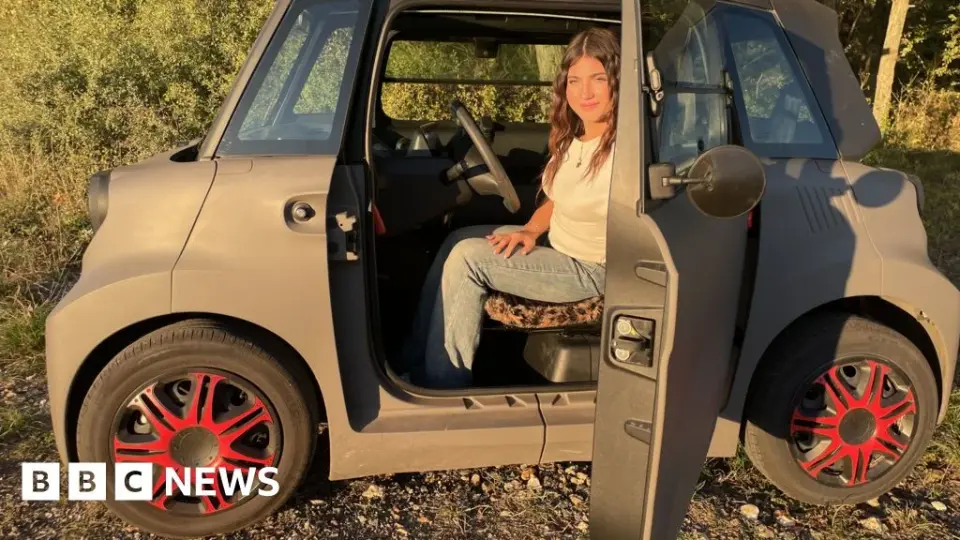
Sales of tiny, license-free electric cars in Europe have doubled in five years, driven by teenagers replacing mopeds and rural residents seeking affordable transport. The Citroën Ami’s 2020 launch shifted the market from necessity to choice, with 67% of new models now electric. While these 45km/h vehicles offer independence for those without licenses, they pose safety risks on faster roads and are banned from motorways.
Key points
- European sales of license-free micro-cars rose from 30,000 to 60,000 units over the past five years, with France seeing registrations double from 13,000 in 2019 to 25,000 last year.
- The Citroën Ami, launched in 2020, transformed the sector's image, attracting teenagers who now account for 25% of all mini-car sales in France and 40% of customers for manufacturer Ligier.
- Stricter EU regulations on two-wheelers made mopeds and scooters costly to produce, effectively removing them from the market and allowing license-free cars to fill the gap for young drivers.
- In France and Italy, individuals can drive these vehicles from age 14 with a road safety certificate and eight hours of training; Germany and Spain require age 15, while the UK requires 16.
- Despite rising popularity, sales in France have flattened since 2024 following the withdrawal of electric vehicle subsidies, though manufacturers like Aixam are expanding production capacity with a €30 million investment.
- Safety concerns persist as these cars are limited to 45km/h and banned from motorways, with drivers reporting fear when overtaken by faster traffic on national highways.
Background
This trend follows broader European youth movements in 2026, where coordinated protests in November highlighted generational frustration with austerity and rising living costs. The shift toward micro-cars reflects a search for affordable, independent mobility solutions amidst constrained public transport options in rural areas and changing regulatory landscapes for personal transport.
Why it matters
The rise of license-free micro-cars signals a fundamental shift in European urban and rural mobility, driven by regulatory changes and economic pressures. As manufacturers pivot to electric models and target younger demographics, these vehicles challenge traditional transport norms, offering independence to those without licenses while raising questions about road safety and infrastructure integration. This market evolution reflects broader trends in sustainable transport and the adaptation of automotive giants to niche, high-demand segments.
What to watch
Expect continued growth in electric micro-car sales across Europe as manufacturers like Aixam and Ligier expand production and marketing efforts. The market may see further innovation in vehicle design and safety features to address concerns about speed limitations and road safety. Regulatory frameworks in various countries may evolve to accommodate the increasing presence of these vehicles on public roads, potentially influencing future transport policies and infrastructure planning.
Want the full story? Read the original reporting
Read on BBC