
Shorris Takes Helm of NYC Economic Development Amid Grocery Store Controversy
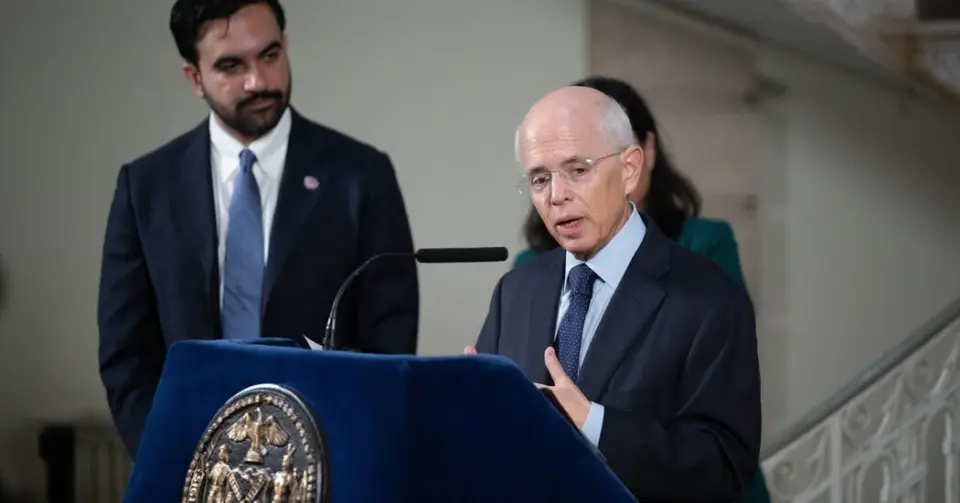
Anthony Shorris has assumed the role of president of the New York City Economic Development Corporation (NYCEDC), a position critical to Mayor Zohran Mamdani’s affordability agenda. While the administration faces legal challenges and public debate over its plan to open five city-owned grocery stores by 2029, Shorris argues that the initiative is merely a symbol of a broader need for systemic intervention in food costs. He contends that the city must leverage its scale, potentially through mechanisms like the Department of Education’s food programs, to address the fact that over 40% of families with children lack sufficient funds for food. The move has drawn opposition from private grocers and small business owners who argue the subsidized model creates an unfair market environment, though some industry experts note that New York’s unique market dynamics may allow the plan to succeed without devastating existing businesses.
Key points
- Anthony Shorris began his tenure as president of the NYCEDC on September 8, 2026, tasked with delivering Mamdani’s economic agenda focused on quality jobs and affordability.
- Shorris stated that the plan for five city-owned grocery stores is a symbolic intervention for the larger issue of food affordability, noting that the city should consider broader systemic market interventions.
- A recent report cited by The New York Times indicates that more than 40% of families with children in New York City need more money to meet their food needs.
- The city’s grocery plan involves five stores, one in each borough, offering a 30% discount on essentials, with an estimated upfront cost of $60-70 million and ongoing operations funded by the city.
- Two lawsuits have been filed against the plan: one by the Multicultural Business Coalition arguing the city lacks legal authority and harms minority-owned businesses, and another by the National Supermarket Association alleging an unfair business environment.
- Mamdani remains committed to the initiative, stating that grocery prices have risen by approximately 30% in recent years and that the city’s existing subsidized stores have not negatively impacted nearby private businesses.
Background
This development follows Mayor Mamdani’s broader push for affordability and infrastructure reform, including the 'Vision Zero Reimagined' traffic safety plan unveiled in September 2026. The grocery initiative is part of a larger strategy to address the cost-of-living crisis in New York City, where grocery prices are significantly higher than the national average due to logistics and labor costs.
How outlets are covering it
The New York Times highlights Shorris’s view that the grocery stores are a symbolic step toward a broader, systemic approach to food affordability, emphasizing the city’s potential to leverage its scale. Novara Media and VCY.org focus on the opposition, with the latter citing historical failures of government-run stores in Kansas City and Baldwin, Florida, and the former detailing lawsuits from the National Supermarket Association and Multicultural Business Coalition. Commercial Observer provides a more balanced view, noting that while critics argue the plan is 'socialist' and unfair to small businesses, industry experts point to New York’s unique market conditions, such as high real estate costs and declining foot traffic, as factors that could allow the city-owned stores to succeed without destroying the local market. The New York Times also notes that Shorris’s appointment was viewed favorably by Wall Street leaders concerned about the mayor’s democratic socialist agenda, suggesting a pragmatic approach to the economic vision.
Why it matters
The success or failure of Mamdani’s grocery initiative will serve as a test case for the feasibility of government intervention in essential goods markets. It highlights the tension between affordability goals and free-market principles, with potential implications for how cities address the cost-of-living crisis. The legal challenges and public debate also reflect broader political divisions over the role of government in the economy, particularly in a city like New York where the cost of living is among the highest in the world.
What to watch
The city is currently accepting bids from private-sector operators to run the five planned stores, with a deadline of October 16, 2026. The outcome of the two lawsuits filed against the plan will determine whether the initiative proceeds as scheduled, with the first store, La Marqueta in East Harlem, set to open in 2027. Shorris’s administration is expected to provide more details on how the city might reshape the grocery industry beyond the five stores, potentially leveraging its scale and existing programs like the Department of Education’s food services.
- He Holds the Keys to Mamdani’s Economic Vision The New York Times
- New York City sued Over City Run Grocery Stores NFIB
- New York Is Running Grocery Stores (Out of Business) vcy.org
- Supermarkets Sue in Bid to Stop Mamdani’s Plan for Cheaper Groceries Novara Media
- Market Shifts, New York’s Uniqueness Mean Mamdani’s Grocery Plan Could Work Commercial Observer
Want the full story? Read the original reporting
Read on The New York Times