Hakeem Jeffries, the incoming House Speaker, outlined a legislative agenda focused on reducing the cost of living and addressing corruption. He plans to reverse Medicaid cuts, restore SNAP benefits, and ban stock trading by members of Congress, while seeking bipartisan cooperation on healthcare and immigration.
Hyundai has unveiled the eighth-generation 2027 Elantra at the Los Angeles Auto Show, positioning it as an affordable entry point in a market where average new car prices have surged. The redesigned compact sedan features a larger body, a 'bold and muscular' design, and advanced technology, aiming to attract first-time buyers despite the dominance of SUVs.
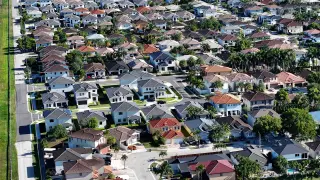
US housing activity has hit historic lows, with October pending sales dropping 16.7% year-over-year to a 25-year low. Building permits fell 8.7%, and homebuilder sentiment reached a 14-year low. High mortgage rates, rising construction costs, and weak buyer demand are driving the slowdown, though regional markets like Fort Wayne show mixed signals with rising prices but slower sales.
Democrats won control of both the House and Senate in the 2026 midterms, a historic shift driven by voter frustration over affordability and the Iran war. President Trump’s campaign strategy, which ignored economic concerns, backfired, while Elon Musk faces new scrutiny from incoming Democratic leaders in Texas. Trump is reportedly considering replacing Defense Secretary Pete Hegseth.
US midterm voters are prioritizing immediate cost-of-living concerns over tax benefits, giving Democrats a significant advantage despite the party’s lack of a clear post-election strategy. While Republicans hoped tax cuts would sway voters, rising gas and grocery prices, linked by many to the Iran conflict and tariffs, are driving support for the opposition. However, critics argue that Democratic proposals, such as restoring pandemic-era healthcare subsidies, merely revert to policies associated with previous inflation spikes and may fail to address structural economic issues.
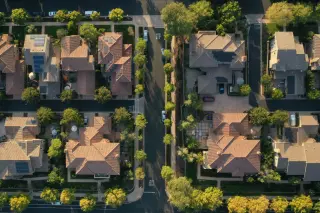
The California Association of Realtors reported that only 19% of households could afford a median-priced existing single-family home in the third quarter of 2026, a figure unchanged from the previous quarter and the same period last year. While median home prices dipped slightly, rising mortgage rates kept monthly payments high, requiring a minimum household income of $228,000. The state’s monthly housing cost remains more than double the national average, with no significant relief expected in the near term due to persistent inflation.
The average 30-year mortgage rate in the U.S. is currently 7.4%, a figure that feels unusually high to many buyers but was standard from the 1970s through the 1990s. The Washington Post explains that the current pain stems not from the interest rate itself, but from the combination of high rates with significantly elevated home prices, making homeownership far less affordable than in previous eras with similar rates.
Democratic candidate Chris Pappas argues that economic relief, not presidential impeachment, should be the primary focus for Congress if Democrats regain control. He is campaigning in New Hampshire against former Senator John Sununu, emphasizing healthcare and energy costs in a tight race with 23 days remaining.
Phased reductions to the Supplemental Nutrition Assistance Program (SNAP) under the One Big Beautiful Bill Act have removed over 5 million people from rolls nationwide by summer 2026. Arizona has lost a majority of its recipients, while states face rising administrative costs and potential liability for payment errors. These changes coincide with rising grocery prices and voter concerns about affordability ahead of the midterm elections.
In the final weeks before the 2026 US midterms, Senate candidates in Georgia, Michigan, and Maine clashed over economic costs, tariffs, and personal conduct. Affordability dominated all three debates, with candidates trading sharp attacks on each other's records and associations. Control of the Senate remains uncertain as Democrats seek to flip four seats.
A new analysis indicates that US home prices would need to fall by 32% to make current mortgage payments comparable to those of existing homeowners. The median US home price reached $429,100 in August 2026, but at current mortgage rates of approximately 7.3%, a new buyer would face monthly payments of $2,353, which is 47% higher than the $1,597 paid by the typical existing mortgage holder. This significant disparity is driven by the 'lock-in effect,' where millions of homeowners who secured low rates during the pandemic are reluctant to sell, contributing to a persistent shortage of available homes. Experts suggest that a crash of this magnitude is unlikely, with affordability expected to improve gradually through rising incomes and slower price growth rather than a sudden market collapse.
A new report projects that 13.9 million homes will enter the U.S. market between 2026 and 2036 as older generations age. However, this influx consists primarily of large family homes, offering little relief for the acute shortage of starter homes. While this may ease prices for move-up buyers, it could exacerbate affordability issues for first-time buyers and potentially weaken overall demand as household formation slows.
House Democratic leader Hakeem Jeffries promises to lower costs for voters if his party wins the House in November, but faces a difficult path as President Trump remains in office for two more years. Democrats plan to prioritize housing, healthcare, and tariff reforms, but must navigate potential vetoes and impeachment threats. Jeffries has sought common ground with the White House, including a meeting with Jared Kushner, though this move drew criticism from some party members. The party is preparing specific legislative actions for the first 100 days, aiming to repeal Medicaid changes and restore healthcare subsidies, while balancing pressure from progressives and the need for bipartisan deals.
Anthony Shorris has assumed the role of president of the New York City Economic Development Corporation (NYCEDC), a position critical to Mayor Zohran Mamdani’s affordability agenda. While the administration faces legal challenges and public debate over its plan to open five city-owned grocery stores by 2029, Shorris argues that the initiative is merely a symbol of a broader need for systemic intervention in food costs. He contends that the city must leverage its scale, potentially through mechanisms like the Department of Education’s food programs, to address the fact that over 40% of families with children lack sufficient funds for food. The move has drawn opposition from private grocers and small business owners who argue the subsidized model creates an unfair market environment, though some industry experts note that New York’s unique market dynamics may allow the plan to succeed without devastating existing businesses.
India's private healthcare sector is experiencing a massive investment surge, with over $50 billion in recent mergers and acquisitions, yet a new government report highlights a deepening affordability crisis. While access to facilities has improved, costs in private hospitals are five to ten times higher than in government ones, pushing millions into debt. A debate is intensifying over whether to cap prices or strengthen public healthcare, with industry groups warning that regulation could deter foreign investment.