
Trump Floats Government Stake in Nvidia, Citing Intel Model
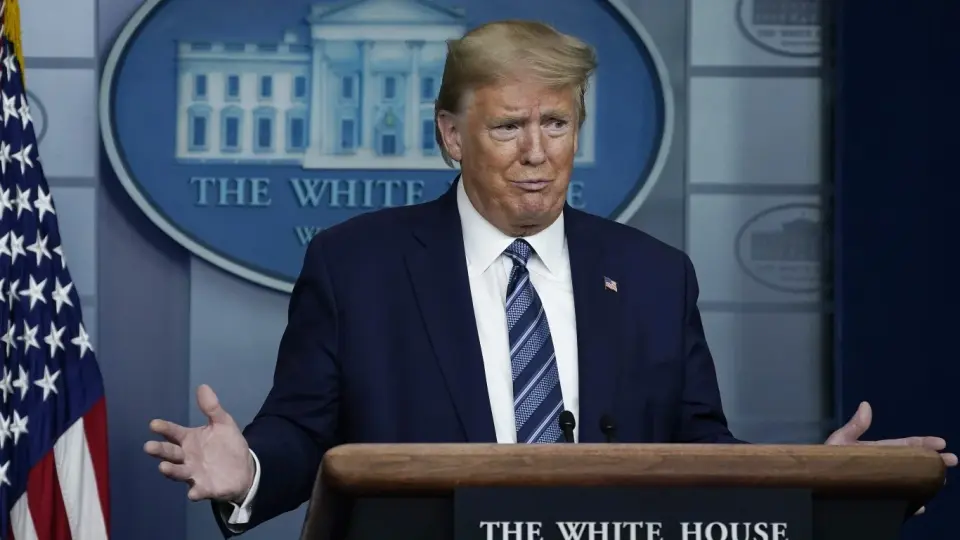
President Trump suggested the U.S. government could acquire an equity stake in Nvidia, comparing the idea to its 2025 investment in Intel. While a 10% stake would cost approximately $375 billion, no formal proposal, pricing, or funding plan has been announced. Treasury Secretary Scott Bessent previously argued Nvidia does not require financial support, and the company has not commented on the idea.
Key points
- Trump stated in a New York Post interview that it is 'probably not too late' for the government to take a stake in Nvidia, citing the 2025 Intel deal as a model.
- A 10% stake in Nvidia would be valued at approximately $375 billion based on its market cap, roughly 42 times the cost of the government's Intel stake.
- The Intel stake was acquired for $8.9 billion using CHIPS Act grants and Secure Enclave funds, converting owed money into equity at a discount.
- Treasury Secretary Scott Bessent previously said a Nvidia stake was not under consideration because the company generates significant free cash flow and does not need financial support.
- No term sheet, SEC filing, or Nvidia statement regarding a government stake has been issued, and the idea remains speculative.
Background
This proposal follows the reinstatement of Nvidia CEO Jensen Huang as CEO on November 23, 2026, after he resigned amid scrutiny over an affair with a suspected Chinese spy. Trump had urged Huang to testify before Congress without invoking the Fifth Amendment and suggested a pardon was an option but unnecessary. The Intel stake, acquired in August 2025, has faced significant paper losses due to Intel's stock decline, though the government retains a passive position with no board seat.
Why it matters
A government stake in Nvidia would represent a major shift in U.S. policy toward the AI sector, potentially raising concerns about political influence over a critical technology company. The proposal also highlights the contrast between Nvidia's financial strength and Intel's struggles, as Nvidia generates substantial free cash flow while Intel has raised funds by selling stock and faces negative free cash flow projections.
What to watch
Jensen Huang is scheduled to testify before the House Foreign Affairs Committee on December 1, 2026, and the Senate Banking Committee on December 3, 2026. Until a formal proposal, term sheet, or SEC filing is issued, the government stake remains speculative. Nvidia's fiscal fourth-quarter earnings are also expected to be reported soon, which could impact its stock price and the viability of any government investment.
Want the full story? Read the original reporting
Read on 24/7 Wall St.