
Trump Signs Common Cents Act, Officially Ending Penny Production
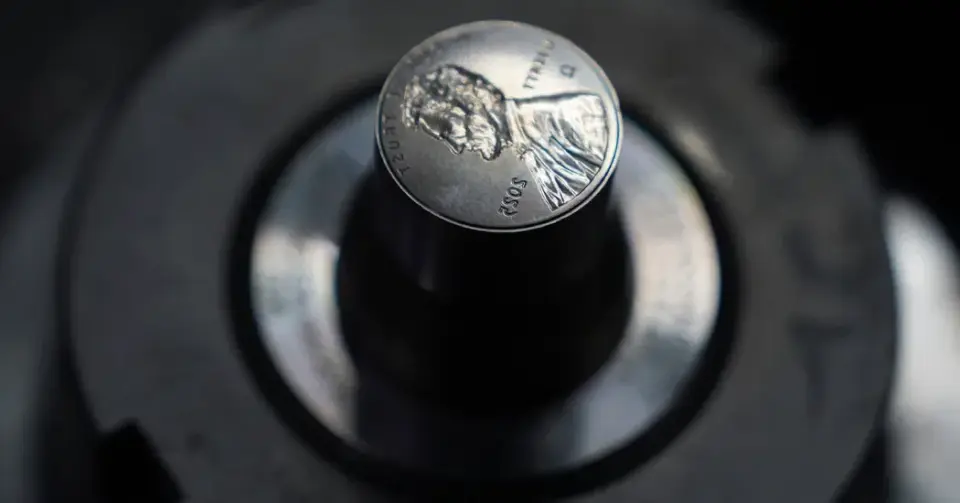
President Trump signed the Common Cents Act into law on November 20, 2026, officially ending the production of the U.S. penny. The legislation mandates cash transaction rounding to the nearest five cents and allows the Treasury to discontinue other coins if costs exceed their face value. While the penny was first authorized in 1792, its production had already ceased in 2025 due to high minting costs.
Key points
- The Common Cents Act was signed into law on November 20, 2026, formally ending the production of the one-cent coin.
- The bill passed the House and Senate in September 2026 with no recorded opposition.
- The act directs the Department of the Treasury to stop minting pennies for general circulation, except for collector needs.
- It establishes federal guidelines for rounding cash transactions to the nearest five cents to resolve issues with exact change.
- The legislation allows the nickel to be made from cost-saving materials and provides procedures for discontinuing other coins if production costs exceed their value.
- The penny’s production had already ended in November 2025, with the last coin stamped by U.S. Treasurer Brandon Beach.
Background
The U.S. penny was first authorized by the Coinage Act of 1792. Efforts to eliminate the coin had been pursued by previous administrations, including President Barack Obama, but failed to gain legislative traction. In February 2025, President Trump ordered the Treasury Department to halt penny production, citing the high cost of minting. The final penny was officially stamped in November 2025, marking the end of 232 years of continuous manufacturing, though the coin remained in circulation without a formal legal exit until the signing of the Common Cents Act in November 2026.
How outlets are covering it
The New York Times emphasizes the legal finality of the penny’s demise, noting that while production ended a year prior, the Common Cents Act provided the necessary legislative closure. CBS News focuses on the practical implications for businesses, highlighting how the act resolves legal vulnerabilities regarding exact change and provides clear rounding guidelines for retailers. Yahoo frames the event as the end of a 250-year-old institution, detailing the broader provisions of the act, including the potential for discontinuing other coins and the use of cost-saving materials for the nickel. All sources agree on the core facts of the signing and the bill’s passage, but differ in emphasis: The Times highlights the political process, CBS focuses on commercial impact, and Yahoo provides historical and regulatory context.
Why it matters
The Common Cents Act resolves long-standing confusion in cash transactions and eliminates a significant financial loss for the U.S. Mint. By establishing federal rounding rules, it protects businesses from litigation and modernizes currency management. The act also sets a precedent for future coin discontinuation based on cost-efficiency, potentially affecting other denominations like the nickel.
What to watch
The penny will gradually cycle out of public use over several years as existing stock is spent. Businesses will begin implementing the new rounding guidelines for cash transactions. The Treasury Department may review the production costs of other coins, such as the nickel, to determine if further discontinuation or material changes are necessary. The new Congress, sworn in in January 2027, will oversee the implementation of these changes.
- The Penny Is Dead. Now It’s Official. The New York Times
- Trump signs Common Cents Act into law CBS News
- President Trump formally ends major US institution after almost 250 years Yahoo
- How will cash payments be rounded without pennies? What to know about the new law 9NEWS
- Trump formally ends minting of the penny after nearly 250 years of production NBC News
Want the full story? Read the original reporting
Read on The New York Times