
Trump’s Second Term Blurs Lines Between Public Power and Private Wealth
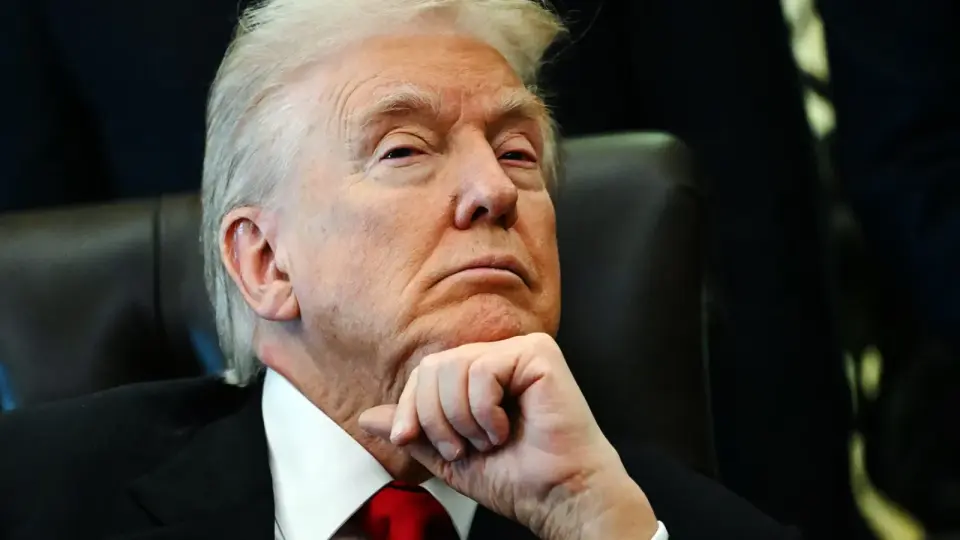
Rolling Stone argues that Donald Trump’s second presidency represents a historic shift in American governance, merging public authority with private financial interests. The article details how Trump leveraged his control over tariffs, pardons, and regulatory agencies to benefit his family’s business ventures, including World Liberty Financial and various real estate projects. Key examples include a $500 million investment from the UAE in his crypto venture, which coincided with favorable U.S. chip export policies, and a $400 million White House ballroom funded by corporations seeking federal contracts. The piece asserts that this 'relational' corruption, rooted in Trump’s upbringing in New York’s political machine, has outpaced previous scandals by collapsing the distinction between the state and the president’s personal empire.
Key points
- On May 22, 2025, Trump hosted a dinner for top holders of his $TRUMP cryptocurrency at his Virginia golf club, an event criticized for lacking transparency and linking access to the president with financial investment.
- Trump’s financial disclosures show over $1.4 billion in income from crypto ventures in 2025, including hundreds of millions from World Liberty Financial, while foreign licensing deals generated $61 million.
- The UAE’s Sheikh Tahnoon bin Zayed invested $500 million in World Liberty Financial shortly before Trump’s inauguration, followed by U.S. approvals for advanced AI chip exports to his companies and a $2 billion investment in Binance.
- Corporations like Meta and Paramount settled lawsuits with Trump for millions of dollars, coinciding with favorable regulatory decisions, such as the FCC approval of Paramount’s merger with Skydance.
- The Supreme Court’s 2026 ruling allowing the firing of FTC commissioners without cause expanded presidential control over independent agencies, increasing the leverage of businesses seeking regulatory approval.
- The White House ballroom project, costing $400 million, was funded by companies like Lockheed Martin and Amazon, many of which subsequently received billions in new federal contracts.
Background
This analysis follows earlier coverage of the Supreme Court clearing the path for the White House ballroom expansion in August 2026, which highlighted the project’s cost and taxpayer involvement. It also aligns with recent developments regarding the administration’s aggressive use of executive power, such as the ongoing tensions with Iran and the legal battles over redistricting, which underscore the broader theme of centralized authority and diminished institutional checks.
Why it matters
The convergence of presidential power and private financial interest creates a system where regulatory decisions, pardons, and foreign policy may be influenced by personal gain rather than public interest. This erosion of institutional independence, particularly in regulatory agencies and Congress, raises concerns about the integrity of American democracy and the potential for systemic corruption that benefits a narrow elite.
What to watch
The article suggests that the current trajectory may lead to further consolidation of power and financial influence, with ongoing legal challenges from entities like Harvard and continued scrutiny of crypto ventures. The lack of congressional investigation into these financial dealings indicates a potential long-term shift in the balance of power between the executive and legislative branches.
Want the full story? Read the original reporting
Read on Rolling Stone